9 citations
,
May 2021 in “JEADV. Journal of the European Academy of Dermatology and Venereology/Journal of the European Academy of Dermatology and Venereology” Topical minoxidil may help treat a rare genetic hair condition with no fully effective treatments yet.
 July 2024 in “Journal Archives of Health”
 Woolly hair is a rare genetic condition with no effective treatments.
25 citations
,
October 2007 in “Developmental biology” Clim proteins are essential for maintaining healthy corneas and hair follicles.
3 citations
,
January 2021 in “Veterinary dermatology” A litter of cats had a hair condition similar to a mouse mutation, leading to hair loss and abnormal hair and skin.
 November 2005 in “Nature Reviews Molecular Cell Biology”
 The protein hairless is important for hair regrowth because it stops the protein wise from blocking the hair cycle.
 January 2026 in “International Journal of Dermatology Research”
 Early recognition of loose anagen hair syndrome is important to prevent misdiagnosis and unnecessary treatments.
17 citations
,
November 1967 in “American Journal of Anatomy” Hairless mice have longer hair follicles and abnormal structures during the catagen phase.
 43 citations
,
September 2001 in “Scanning”
43 citations
,
September 2001 in “Scanning” Hair treatments like bleaching increase friction by exposing tiny pores on the hair surface.
 13 citations
,
March 2015 in “Plastic and reconstructive surgery. Global open”
13 citations
,
March 2015 in “Plastic and reconstructive surgery. Global open” Leg hair can be used for eyelash transplants, resulting in fuller lashes with less maintenance.
 7 citations
,
March 2015 in “British Journal of Dermatology”
7 citations
,
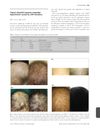
March 2015 in “British Journal of Dermatology” Applying minoxidil can help improve hair growth in people with hair loss caused by LIPH gene mutations.
12 citations
,
March 2012 in “JEADV. Journal of the European Academy of Dermatology and Venereology/Journal of the European Academy of Dermatology and Venereology” A specific gene mutation in Japanese people can cause varying degrees of hair thinning in adulthood.
 35 citations
,
November 1931 in “Journal of Genetics”
35 citations
,
November 1931 in “Journal of Genetics” Hairless mice lack fur due to a genetic mutation affecting skin response, not hormone issues.
 19 citations
,
October 1985 in “British Journal of Dermatology”
19 citations
,
October 1985 in “British Journal of Dermatology” The document concludes that unruly hair can be congenital or acquired, often lacks specific treatments, and can be managed with oils and short hairstyles.
47 citations
,
April 2000 in “Experimental Dermatology” A new gene mutation causes a rare type of hair loss.
7 citations
,
January 2012 in “International journal of trichology” Permanent hair removal with lasers may cure itchy black hair bristles on the back.
2 citations
,
October 2018 in “Skin appendage disorders” A boy's hair that was frizzy and hard to comb returned to normal after 9 months, possibly due to genetic factors.
 6 citations
,
January 2000 in “Dermatology”
6 citations
,
January 2000 in “Dermatology” A girl's severely tangled hair couldn't be fixed and had to be cut due to a rare condition called plica neuropathica.
February 2021 in “PubMed” A 2-year-old girl had a hair disorder not shared by her identical twin.
20 citations
,
August 2003 in “Clinical and Experimental Dermatology” A new genetic mutation in the hairless gene causes a rare hair loss disorder.
January 2005 in “Chinese Journal of Veterinary” Hairless mice lose hair by 3-4 weeks, develop thicker, folded skin, and show pigmentation differences.
 May 2025 in “Frontiers in Genetics”
 A new genetic variant in the LIPH gene causes hair growth issues in a Chinese patient.
 5 citations
,
July 2020 in “JAMA Dermatology”
5 citations
,
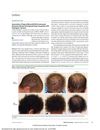
July 2020 in “JAMA Dermatology” Minoxidil solution applied twice daily improved hair growth in patients with Woolly Hair/Hypotrichosis due to LIPH gene issues, with mild side effects.
2 citations
,
January 1987 in “PubMed” Woolly hair syndrome is a genetic condition causing frizzy, fragile hair.
 February 2025 in “Journal of Clinical Investigation”
 RNase L hinders hair growth by altering immune signals.
 16 citations
,
November 2022 in “eLife”
16 citations
,
November 2022 in “eLife” Both gene and non-gene areas of DNA evolved to make some mammals hairless.
 3 citations
,
December 2022 in “Nutrients”
3 citations
,
December 2022 in “Nutrients” Limonin from young citrus fruits may help with hair growth by affecting cell growth and hair cycle pathways.
 28 citations
,
October 2004 in “Differentiation”
28 citations
,
October 2004 in “Differentiation” A gene deletion causes the "hairless" trait in Iffa Credo rats.
November 2024 in “JAAD Case Reports” A 21-month-old boy has a rare genetic disorder causing sparse hair due to an LSS gene mutation.
 6 citations
,
January 2016 in “Skin appendage disorders”
6 citations
,
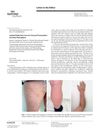
January 2016 in “Skin appendage disorders” A man with rare Lichen Planopilaris lost body hair, not scalp hair, and treatment stopped itching but didn't regrow hair.
 February 2023 in “Journal of dermatology”
 The first Japanese case of a genetic hair disorder caused by specific mutations in the LIPH gene was identified.