 2 citations
,
October 2020 in “Journal of Pharmacology and Experimental Therapeutics”
2 citations
,
October 2020 in “Journal of Pharmacology and Experimental Therapeutics” Minoxidil does not work to inhibit lysyl hydroxylases in newborn mouse lungs.
3 citations
,
December 2023 in “Aging” hsa_circ_0002980 can help stop liver cancer cells from growing and spreading.
1 citations
,
February 2025 in “International Journal of Dermatology” Abrocitinib may effectively treat Lichen Planopilaris.
5 citations
,
December 2018 in “Frontiers in Endocrinology” Differences in androgen receptor expression and tissue properties may lead to higher cryptorchidism risk in certain rats.
 September 2024 in “Journal of the American Academy of Dermatology”
 Experts agree on guidelines for safely using low-dose oral minoxidil to treat hair loss.
 May 2024 in “Archives of dermatological research”
 Enz_MoriL from mulberry leaves helps hair growth by affecting specific cell pathways.
June 2020 in “Research Square (Research Square)” The study found key long non-coding RNAs involved in yak hair growth cycles.
 February 2025 in “Archives animal breeding/Archiv für Tierzucht”
 Certain gene combinations improve cashmere quality and production in Liaoning goats.
 16 citations
,
October 2014 in “Journal of the American Academy of Dermatology”
16 citations
,
October 2014 in “Journal of the American Academy of Dermatology” Oral retinoids may help some patients with hard-to-treat lichen planopilaris, but more research is needed.
44 citations
,
January 2023 in “New Phytologist” FER and TOR signaling help root hair growth in low temperature and low nitrate conditions.
7 citations
,
October 2023 in “BMC Genomics” Noncoding RNAs help determine cashmere quality in goats.
2 citations
,
October 2023 in “bioRxiv (Cold Spring Harbor Laboratory)” RANKL helps regenerate lung cells, potentially aiding lung repair in diseases like COPD.
March 2022 in “International Journal of Trichology” Erlotinib can cause unusual hair growth, like long eyelashes and facial hair.
7 citations
,
February 2011 in “Journal of dermatology” The 736T>A mutation in the LIPH gene is common in Japanese people with autosomal recessive woolly hair.
 1 citations
,
September 2025 in “Frontiers in Immunology”
1 citations
,
September 2025 in “Frontiers in Immunology” HuR is essential for Treg function and preventing autoimmunity.
 April 2018 in “Journal of Investigative Dermatology”
 The conclusion is that the cornea has two types of stem cells, with Lrig1+ cells being key for renewal in aging corneas, independent of CD44.
30 citations
,
January 2016 in “BioMed Research International” Corilagin is the main antitumor component in Phyllanthus niruri, effective against cancer cells.
January 2026 in “SSRN Electronic Journal” July 2020 in “Research Square (Research Square)” The study found key long non-coding RNAs involved in yak hair growth cycles.
Ablative CO2 laser resurfacing tightens skin by destroying and regenerating skin layers.
6 citations
,
November 2023 in “Stem Cell Reports” Stem cells in the cornea show unexpected flexibility and have important implications for medicine.
 October 2025 in “Advanced Materials”
 New lipid/fiber microplexes improve mRNA therapy for degenerative diseases by enhancing cell function and treatment effectiveness.
41 citations
,
February 2021 in “Translational research” Non-coding RNAs could help detect and treat radiation damage.
1 citations
,
August 2021 in “Journal of Investigative Dermatology” ASLAN004 was safe and well-tolerated, supporting further development for treating certain diseases.
 2 citations
,
September 2022 in “Frontiers in veterinary science”
2 citations
,
September 2022 in “Frontiers in veterinary science” Certain long non-coding RNAs are important for the growth of hair follicles in Inner Mongolian cashmere goats.
 1 citations
,
January 2020 in “Skin appendage disorders”
1 citations
,
January 2020 in “Skin appendage disorders” A family was found with both Trichorhinophalangeal syndrome and Loose Anagen Syndrome, suggesting a genetic connection.
 March 2005 in “Inpharma Weekly”
 China approved Sinovac's flu vaccine, Japan approved RiUP for female hair loss, and Nippon Kayaku's three cancer drugs.
 7 citations
,
March 2015 in “British Journal of Dermatology”
7 citations
,
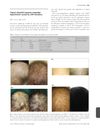
March 2015 in “British Journal of Dermatology” Applying minoxidil can help improve hair growth in people with hair loss caused by LIPH gene mutations.
March 2005 in “European Urology Supplements”