 April 2016 in “Journal of Investigative Dermatology”
 FOL-005, a new substance, was found to reduce hair growth without toxicity when injected into skin, suggesting it could be used to treat excessive hair growth.
 155 citations
,
June 2009 in “International Journal of Dermatology”
155 citations
,
June 2009 in “International Journal of Dermatology” Lichen planus is a skin condition that can resolve on its own, is linked to hepatitis C, and increases the risk of skin cancer.
Minoxidil can cause hair growth as a side effect.
9 citations
,
April 2006 in “International Journal of Dermatology” DFMO may help control hair growth and treat cancer.
 July 2026 in “International Journal of Drug Delivery Technology”
 SCLL improves finasteride delivery for better hair growth in treating hair loss.
September 2023 in “Journal of the American Academy of Dermatology” CTP-543 is generally safe for treating alopecia areata.
4 citations
,
September 2025 in “Journal of the American Academy of Dermatology”  1 citations
,
September 2020 in “Journal of Dermatological Science”
1 citations
,
September 2020 in “Journal of Dermatological Science” The gene LRRC15 is more active in balding areas of the scalp compared to non-balding areas.
 37 citations
,
September 2018 in “Journal of the American Academy of Dermatology”
37 citations
,
September 2018 in “Journal of the American Academy of Dermatology” Ruxolitinib can help regrow hair in severe alopecia areata.
36 citations
,
April 2022 in “Nutrients” Langsat fruit has health benefits like fighting malaria, bacteria, and aging, but its peel is toxic.
 9 citations
,
January 2015 in “Laboratory Animal Research”
9 citations
,
January 2015 in “Laboratory Animal Research” Laminaria japonica and Cistanche tubulosa extracts combined may effectively promote hair growth.
May 2019 in “Case medical research” February 2026 in “International Journal of Pharmaceutics”  117 citations
,
March 2013 in “Journal of the European Academy of Dermatology and Venereology”
117 citations
,
March 2013 in “Journal of the European Academy of Dermatology and Venereology” No effective treatment for frontal fibrosing alopecia was found, but oral 5-alpha-reductase inhibitors had the best response; for lichen planopilaris, topical corticosteroids were commonly used but had a high relapse rate.
 August 2016 in “Journal of Investigative Dermatology”
 Researchers found a new genetic mutation linked to a hair condition in a Japanese boy.
 August 2025 in “Tropical Journal of Natural Product Research”
 LEON gel significantly boosts hair growth without irritation.
 January 2018 in “Practical diabetes”
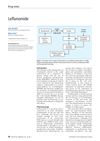
 Leflunomide is effective for rheumatoid arthritis but has significant side effects.
19 citations
,
October 2016 in “Journal of oncology pharmacy practice” A cancer patient's hair became permanently curly after treatment with nivolumab.
January 2015 in “프로그램북(구 초록집)” Two patients with stubborn hair loss grew hair after PDRN injections.
 September 2023 in “Pharmaceuticals”
 Tiny particles improved delivery of hair loss treatments to hair follicles, with lipid-based particles performing best.
5 citations
,
November 2023 in “The Journal of Dermatology” Anifrolumab effectively improved symptoms and reduced steroid use in Japanese patients with systemic lupus erythematosus.
Combining hydroxychloroquine and pimecrolimus can effectively treat hair loss from discoid lupus.
October 2022 in “Dermatologic Therapy” Both treatments for resistant alopecia areata were equally effective.
July 2026 in “Journal of Drug Delivery Science and Technology”  October 2014 in “Journal of the Portuguese Society of Dermatology and Venereology”
 Early recognition and treatment of LPP can prevent hair loss and improve quality of life.
 September 2013 in “Neurodegenerative disease management”
 Teriflunomide is effective and generally safe for treating relapsing multiple sclerosis, reducing relapse rates and disability progression.
16 citations
,
April 2006 in “Pediatrics International” High-dose mizoribine effectively controls symptoms in adolescents with lupus while reducing steroid use, with manageable side effects.
A hair growth ointment improved hair length in a family with a genetic hair growth condition.
 March 2024 in “Journal of cosmetic dermatology”
 Platelet-rich plasma (PRP) is an effective treatment for lichen planopilaris.
Triamcinolone acetonide and betamethasone 1.75 mg/ml are both effective for treating alopecia areata.