13 citations
,
November 2015 in “Gene” Let-7b helps alpaca hair grow by reducing TGFβR I protein.
 4 citations
,
January 2022 in “The journal of investigative dermatology/Journal of investigative dermatology”
4 citations
,
January 2022 in “The journal of investigative dermatology/Journal of investigative dermatology” A faulty KLHL24 gene leads to hair loss by damaging hair follicle stem cells.
 January 2014 in “Durham e-Theses (Durham University)”
 Notch1 helps skin heal by attracting cells that aid repair.
July 2025 in “Human Genomics” New LSS gene variants help understand congenital hypotrichosis 14 better.
 81 citations
,
February 2019 in “Experimental & Molecular Medicine”
81 citations
,
February 2019 in “Experimental & Molecular Medicine” PAK4 is crucial in cancer progression, brain development, and could be a therapeutic target, especially through the PAK4-CREB axis.
November 2020 in “Acta Medica Bulgarica/Acta medica Bulgarica” The document concludes that treatment improved skin lesions but not scalp hair loss in two patients with Graham-Little-Piccardi-Lassueur syndrome.
 16 citations
,
February 2022 in “Science Advances”
16 citations
,
February 2022 in “Science Advances” Follistatin and LIN28B together improve the ability of inner ear cells in mice to regenerate into hearing cells.
70 citations
,
May 2008 in “The journal of investigative dermatology/Journal of investigative dermatology” Notch/RBP-J signaling is crucial for proper placement and timing of melanocyte development in hair follicles.
 17 citations
,
June 2018 in “Frontiers in Physiology”
17 citations
,
June 2018 in “Frontiers in Physiology” ADM scaffolds help skin heal by promoting a healing-type immune response.
2 citations
,
June 2013 in “Journal of Clinical Pathology” The LMNA mutation affects skin structure even in asymptomatic carriers.
 April 2018 in “Journal of Investigative Dermatology”
 IL-9 increases skin cell movement but decreases their ability to invade, and this effect is controlled by cell contractility, not by MMPs.
May 2024 in “Archives of Dermatological Research” TAT-GILZ peptide promotes hair growth by boosting stem cell activity.
 28 citations
,
November 2013 in “The journal of investigative dermatology/Journal of investigative dermatology”
28 citations
,
November 2013 in “The journal of investigative dermatology/Journal of investigative dermatology” GMG-43AC may help reduce unwanted hair growth and treat certain hair loss conditions.
69 citations
,
October 2014 in “Stem Cells” PDGF-D boosts stem cell growth and movement, enhancing hair regeneration.
 33 citations
,
May 2006 in “Journal of Investigative Dermatology”
33 citations
,
May 2006 in “Journal of Investigative Dermatology” PTHrP and its receptor can control blood vessel growth and hair development in mouse skin.
 2 citations
,
January 2018 in “Recent clinical techniques, results, and research in wounds”
2 citations
,
January 2018 in “Recent clinical techniques, results, and research in wounds” Low-Level Laser Therapy helps heal wounds and regenerate tissue when used correctly.
 4 citations
,
September 2016 in “Molecular Medicine Reports”
4 citations
,
September 2016 in “Molecular Medicine Reports” Specific genes influence hair and cashmere growth in Laiwu black goats.
April 2026 in “Proceedings of the National Academy of Sciences” Tmem30b is essential for hearing by maintaining hair cell structure in the ear.
 April 2025 in “Dermatology Practical & Conceptual”
 Increased LC3 gene expression may be linked to premature graying of hair.
53 citations
,
January 2012 in “Developmental Biology” EGFR signaling is essential for ear cell regeneration in both birds and mammals.
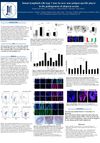
Innate lymphoid cells type 1 may contribute to alopecia areata by damaging hair follicles.
July 2024 in “Journal of Investigative Dermatology” Inhibiting PDE8A may help treat hair loss by boosting fat cell growth and hair regeneration.
July 2024 in “Journal of Investigative Dermatology” PP405 may help hair growth by activating hair follicle stem cells.
January 2008 in “Deep Blue (University of Michigan)” Wnt signaling is crucial for Hedgehog-driven skin tumor growth.
IL-1 and IL-7 help activate cells that boost hair follicle stem cell growth, aiding wound healing.
 December 2022 in “KSBB Journal”
 Activating TLR3 boosts autophagy gene expression in skin cells.
 7 citations
,
September 2020 in “Frontiers in Cell and Developmental Biology”
7 citations
,
September 2020 in “Frontiers in Cell and Developmental Biology” IL-36α helps grow new hair follicles and speeds up wound healing.
 7 citations
,
August 2022 in “Experimental dermatology”
7 citations
,
August 2022 in “Experimental dermatology” Blocking YAP/TAZ could be a new way to treat skin cancer.
70 citations
,
August 2006 in “Cancer Research” AP-1 controls tumor cell type by affecting key signaling pathways.
Targeting the PGI2 pathway may help heal diabetic foot ulcers.