 1 citations
,
February 2016 in “Revista Brasileira de Ginecologia e Obstetrícia”
1 citations
,
February 2016 in “Revista Brasileira de Ginecologia e Obstetrícia” High Lipid Accumulation Product levels are linked to more hirsutism in women with Polycystic Ovary Syndrome.
 April 2023 in “The journal of investigative dermatology/Journal of investigative dermatology”
 Lack of TG2 increases fat storage and lowers cell cleanup in skin oil cells.
 December 2025 in “Scientific Reports”
 Cedrol may help reduce liver fat and fat cell growth caused by corticosteroids.
73 citations
,
April 2017 in “Scientific Reports” Nitrogen starvation in microalgae increases lipid production, making it a potential biofuel source.
 April 2016 in “Journal of Investigative Dermatology”
 MEK and BRAF inhibitors increase sebum production and accumulation, which could cause acne-like side effects.
 102 citations
,
July 2007 in “Genes & Development”
102 citations
,
July 2007 in “Genes & Development” A mother's PPARγ is crucial for preventing harmful milk that can cause inflammation and growth problems in babies.
88 citations
,
August 2014 in “PLOS genetics” Syndecan-1 is essential for maintaining skin fat and preventing cold stress.
40 citations
,
January 1985 in “Tissue and Cell” Sebum production in sebaceous glands is similar to hair growth, involving cell development and degeneration.
20 citations
,
October 2017 in “Stem Cell Reports” Alkaline Ceramidase 1 prevents early hair loss in mice by keeping hair follicle stem cells balanced.
 17 citations
,
May 2019 in “Diabetes and Metabolic Syndrome: Clinical Research and Reviews”
17 citations
,
May 2019 in “Diabetes and Metabolic Syndrome: Clinical Research and Reviews” High fasting insulin levels in women with PCOS are linked to a higher risk of heart and metabolic problems.
 15 citations
,
April 2018 in “Revista Brasileira de Ginecologia e Obstetrícia”
15 citations
,
April 2018 in “Revista Brasileira de Ginecologia e Obstetrícia” Insulin resistance is common in PCOS patients and linked to obesity and increased cardiovascular risk.
13 citations
,
August 2021 in “Frontiers in Bioengineering and Biotechnology” Exosomes from fat stem cells can reduce fat cell formation.
 7 citations
,
January 2022 in “Animal Reproduction”
7 citations
,
January 2022 in “Animal Reproduction” Using rodents for research shows that health problems in the womb can cause diseases later in life.
6 citations
,
August 2020 in “Cell regeneration” Hair follicle stem cells are similar to bone marrow stem cells but are better for fat cell research.
 1 citations
,
January 2017 in “Journal of rare disease research & treatment”
1 citations
,
January 2017 in “Journal of rare disease research & treatment” Obesity is common in PCOS patients and early treatment is important for their heart and metabolic health.
 December 2015 in “University of Birmingham Institutional Research Archive (University of Birmingham)”
 AKR1C3 could be a treatment target for metabolic issues in PCOS.
 September 2022 in “Biomedicines”
 Lipid Accumulation Product and Free Androgens Index are effective for assessing fatty liver disease risk in women with Polycystic Ovary Syndrome.
17 citations
,
January 2020 in “The World Journal of Men's Health” Long-term use of finasteride and dutasteride can cause serious health issues like diabetes and liver problems.
PPARβ/δ helps yaks adapt to high altitudes by regulating lipid metabolism in their coats.
297 citations
,
December 2005 in “Journal of controlled release” P-SLN nanoparticles effectively deliver podophyllotoxin to the skin.
 18 citations
,
June 2017 in “Proceedings of the National Academy of Sciences of the United States of America”
18 citations
,
June 2017 in “Proceedings of the National Academy of Sciences of the United States of America” A gene called Gk5 controls lipid production in the skin and affects hair growth.

Lipid carriers improve delivery of hair loss treatments to follicles.
 March 2025 in “Journal of Environmental Science and Engineering B”
 Carrots grown organically have lower heavy metal levels, making them safer and better quality.

Blocking autophagy worsens lipid buildup and dysfunction in brain cells after injury.
 21 citations
,
December 2016 in “European journal of pharmaceutics and biopharmaceutics”
21 citations
,
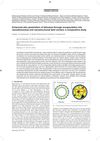
December 2016 in “European journal of pharmaceutics and biopharmaceutics” Nano-sized lipid particles increase dexamethasone's skin penetration and create a reservoir in the skin layers.
 15 citations
,
May 2016 in “Die Pharmazie”
15 citations
,
May 2016 in “Die Pharmazie” Nanostructured lipid carriers deliver lidocaine to the skin better than nanoethosomes.
November 2022 in “Journal of Investigative Dermatology” Deleting MPZL3 increases skin oil production and reduces body fat.
 June 2023 in “Journal of biological chemistry/The Journal of biological chemistry”
 Sdr16c5 and Sdr16c6 genes regulate a key point in lipid production that affects eye and skin gland function.
15 citations
,
February 2020 in “Journal of Investigative Dermatology” Ceramide Synthase 4 is crucial for healthy skin barrier function.
August 2011 in “동의생리병리학회지 = Journal of physiology & pathology in Korean Medicine” Green tea extract increases lipid production in human sebaceous gland cells.