18 citations
,
May 2006 in “Journal of Cutaneous Medicine and Surgery” Linear lichen planopilaris can affect the trunk, not just the face.
 13 citations
,
June 2019 in “Case reports in dermatology”
13 citations
,
June 2019 in “Case reports in dermatology” Fat injections in the face can cause hair loss.
 35 citations
,
March 2014 in “British Journal of Dermatology”
35 citations
,
March 2014 in “British Journal of Dermatology” Hair loss in male pattern baldness involves muscle degeneration and increased scalp fat.
 8 citations
,
September 2016 in “The American Journal of Dermatopathology”
8 citations
,
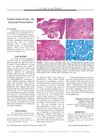
September 2016 in “The American Journal of Dermatopathology” Enlarged sweat gland ducts may indicate scarring hair loss.
3 citations
,
January 2016 in “Dermatology online journal” Some people with lichen planus pigmentosus might later develop frontal fibrosing alopecia.
 1 citations
,
January 2024 in “Skin research and technology”
1 citations
,
January 2024 in “Skin research and technology” Deoxycholic acid is FDA-approved for reducing submental fat, but its mechanisms are not fully understood.
 April 2012 in “Informa Healthcare eBooks”
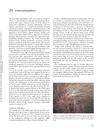
 Lichen planopilaris is a rare, chronic condition causing hair loss, mainly in middle-aged women, and early treatment is important to prevent permanent baldness.
September 2025 in “Indian Journal of Dermatology” A Turkish woman has a hair condition caused by a LIPH gene mutation.
 25 citations
,
July 2020 in “Journal of cosmetic dermatology”
25 citations
,
July 2020 in “Journal of cosmetic dermatology” Deoxycholic acid is effective for reducing chin fat but can cause side effects and serious complications, so careful patient evaluation is needed.
January 2022 in “Springer eBooks” Combining PRP with lipofilling shows promise for tissue regeneration but needs more clinical trials to confirm benefits.
7 citations
,
June 2009 in “Journal of the European Academy of Dermatology and Venereology” Basement membrane changes in lichen planopilaris cause scarring and permanent hair loss.
 405 citations
,
May 2007 in “Journal of The American Academy of Dermatology”
405 citations
,
May 2007 in “Journal of The American Academy of Dermatology” Obesity affects skin health, causing conditions like acanthosis nigricans and may require different treatment approaches.
 105 citations
,
January 2010 in “Mediators of Inflammation”
105 citations
,
January 2010 in “Mediators of Inflammation” Skin surface lipids are important for skin health and altering them could help prevent aging and treat skin conditions.
 1 citations
,
August 2000 in “Expert Opinion on Therapeutic Patents”
1 citations
,
August 2000 in “Expert Opinion on Therapeutic Patents” Boosting mitochondrial energy production with supplements like acetyl-L-carnitine may improve aging-related cellular function and health conditions.
136 citations
,
September 2019 in “Journal of Clinical Investigation” Dermal adipose tissue in mice can change and revert to help with skin health.
 June 2024 in “Journal of Allergy and Clinical Immunology”
 TSLP affects atopic dermatitis by increasing sebum and reducing fat through IL-4/IL-13 signaling.
May 2025 in “Arquivos Catarinenses de Medicina” Fat micrografting improves hair transplant success in burn-related hair loss.
June 2021 in “Egyptian Journal of Dermatology and Venereology” Psoriasis, acne, and hair loss are linked to unhealthy cholesterol levels, increasing heart disease risk.
January 2026 in “International Journal of Health Science” Human insulin via microinfusion may effectively improve atrophic acne scars.
 2 citations
,
September 2017 in “Plastic and reconstructive surgery. Global open”
2 citations
,
September 2017 in “Plastic and reconstructive surgery. Global open” Nanofat injections can significantly improve hair growth in men with hair loss for up to a year.
 March 2025 in “International Journal of Trichology”
 Injecting stem cells from a patient's own fat can improve hair growth in women with hair loss.
Pseudopelade is likely an independent disease due to its distinct features.
 1 citations
,
November 2016 in “International Journal of Research in Dermatology”
1 citations
,
November 2016 in “International Journal of Research in Dermatology” The study found no significant link between the symptoms, tissue analysis, and immunofluorescence results in scarring hair loss conditions.
14 citations
,
August 2004 in “Veterinary Dermatology” The horse had a rare type of hair loss caused by immune cells attacking hair follicles.
 6 citations
,
June 2018 in “Journal of Stomatology, Oral and Maxillofacial Surgery”
6 citations
,
June 2018 in “Journal of Stomatology, Oral and Maxillofacial Surgery” Nanofat grafting is better for delicate areas and combining it with lipofilling might improve hair loss treatment.
 1 citations
,
March 2018 in “Hair transplant forum international”
1 citations
,
March 2018 in “Hair transplant forum international” Using one's own fat may help treat hair loss.
 September 2017 in “The journal of investigative dermatology/Journal of investigative dermatology”
 Scarred skin in lichen planopilaris loses immune cells due to a decrease in a specific protein in skin cells.
January 2005 in “Life sciences” Targeting LPA could help treat skin disorders.
 2 citations
,
September 2019 in “Dermatologic Surgery”
2 citations
,
September 2019 in “Dermatologic Surgery” The two-step procedure of fat grafting followed by hair grafting improves scalp and facial scar correction.
 1 citations
,
October 2023 in “Skin research and technology”
1 citations
,
October 2023 in “Skin research and technology” LC-OCT is an effective new method for diagnosing classic lichen planopilaris.