1 citations
,
January 2023 in “Elsevier eBooks” Phospholipases help maintain and restore skin and hair health, potentially leading to new treatments for related conditions.
May 2014 in “The Journal of Alternative and Complementary Medicine” Higher levels of chromium, selenium, and copper in hair are linked to increased insulin resistance in visceral-obese adults.
 October 2025 in “Advanced Materials”
 New lipid/fiber microplexes improve mRNA therapy for degenerative diseases by enhancing cell function and treatment effectiveness.
 6 citations
,
December 2022 in “Cell reports”
6 citations
,
December 2022 in “Cell reports” Eating a high-fat fish oil diet caused mice to lose hair due to a specific immune cell activity in the skin linked to a protein called E-FABP.
 6 citations
,
January 2021 in “Frontiers in Immunology”
6 citations
,
January 2021 in “Frontiers in Immunology” Certain immune cells worsen post-surgery gut paralysis by activating a specific immune response.
38 citations
,
April 2005 in “Journal of Investigative Dermatology” Human hair follicle cells can become fat and bone cells, useful for therapy.
 5 citations
,
January 2019 in “Skin appendage disorders”
5 citations
,
January 2019 in “Skin appendage disorders” The conclusion is that it's important to tell apart alopecia areata from lipedematous alopecia for proper treatment, as alopecia areata can be reversed.
 76 citations
,
June 2008 in “Journal of the American Academy of Dermatology”
76 citations
,
June 2008 in “Journal of the American Academy of Dermatology” The conclusion is that certain scalp tissue changes are characteristic of lichen planopilaris, with mucinous perifollicular fibroplasia being a new feature for diagnosis.
 April 2016 in “Journal of The American Academy of Dermatology”
 Women with PCOS often have hirsutism and skin changes, which indicate a need for metabolic health checks.
 February 2024 in “Scientific reports”
 Four genes are potential markers for hair loss condition alopecia areata, linked to a specific type of cell death.
 6 citations
,
September 2023 in “Experimental physiology”
6 citations
,
September 2023 in “Experimental physiology” A special receptor in sensory nerve endings helps control how they respond to stretching.
 December 2024 in “Cell Communication and Signaling”
 Fat tissue vesicles protect skin from UV damage better than stem cell vesicles.
2 citations
,
February 2022 in “bioRxiv (Cold Spring Harbor Laboratory)” Impaired LEF1 activation speeds up skin cell development in Hutchinson-Gilford Progeria Syndrome.
 1 citations
,
February 2025 in “Frontiers in Medicine”
1 citations
,
February 2025 in “Frontiers in Medicine” JSLE patients often have more hormone and metabolism issues, so regular check-ups and preventing obesity can help.
 30 citations
,
July 2018 in “Scientific Reports”
30 citations
,
July 2018 in “Scientific Reports” Blocking certain fat production can reverse skin inflammation and hair loss.
47 citations
,
September 2012 in “Human molecular genetics online/Human molecular genetics” Folliculin deficiency causes problems with cell division and positioning due to disrupted RhoA signaling and interaction with p0071.
 April 2026 in “Diagnostics”
 Collagenous gastritis is a rare condition causing chronic diarrhea and weight loss, often misdiagnosed due to nonspecific symptoms.
 29 citations
,
February 2016 in “International Journal of Dermatology”
29 citations
,
February 2016 in “International Journal of Dermatology” People with lichen planus are more likely to have dyslipidemia, especially higher triglyceride levels.
July 2024 in “Journal of Investigative Dermatology” PP405 may help hair growth by activating hair follicle stem cells.
 April 2026 in “Experimental & Molecular Medicine”
 Mouse and human skin development share similar fibroblast timelines.
 8 citations
,
October 2023 in “Folia Histochemica et Cytobiologica”
8 citations
,
October 2023 in “Folia Histochemica et Cytobiologica” Exosomes from modified stem cells may help treat liver injury.
1 citations
,
January 2005 in “Experimental Dermatology” MC-1R in skin cells may influence inflammation and collagen production.
 November 2024 in “Research Square (Research Square)”
 Lipids may help treat hair loss by promoting hair growth through the HIF-1 pathway.
 July 2024 in “International Journal of Chemical and Biological Sciences”
 Glypican-4 may help indicate insulin sensitivity and lipid issues in women with PCOS.
 May 2024 in “Frontiers in medicine”
 A genetic mutation in the LIPH gene causes tightly curled hair that stops growing in some Japanese individuals.
 11 citations
,
December 2010 in “Archives of Dermatology”
11 citations
,
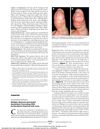
December 2010 in “Archives of Dermatology” A man with rare skin changes on his fingers was diagnosed with multiple myeloma-linked amyloidosis.
15 citations
,
April 2023 in “Biology” Plant and algal lipid droplets are promising for natural oil production but need better extraction methods.
 61 citations
,
January 2015 in “Hormones”
61 citations
,
January 2015 in “Hormones” Liraglutide caused significant weight loss in some obese women with PCOS, especially those with severe obesity and insulin resistance.
 October 2018 in “Exercise Biochemistry Review”
 Aerobic exercise helps protect the intestines by improving their barrier function.
December 2020 in “Journal of Endocrinology and Reproduction” Certain inflammatory molecules and leptin may contribute to hair loss in cicatricial alopecia.