1 citations
,
January 2007 in “Zhōnghuá yàoxué zázhì” Ethosomes deliver finasteride through the skin more effectively than liposomes.
 14 citations
,
January 2016 in “Elsevier eBooks”
14 citations
,
January 2016 in “Elsevier eBooks” Liposomes improve the delivery and effectiveness of cosmetic ingredients but face challenges like cost and stability.
 72 citations
,
December 2012 in “Expert Opinion on Drug Delivery”
72 citations
,
December 2012 in “Expert Opinion on Drug Delivery” Niosomes are promising for skin drug delivery, offering benefits like improved drug penetration and stability.
April 2025 in “Journal of Advances in Medical and Pharmaceutical Sciences” Spanlastics can improve drug delivery by effectively penetrating biological membranes.
1 citations
,
February 2024 in “Pharmaceutics” Nanovesicles improve drug delivery through the skin, offering better treatment outcomes and fewer side effects.
39 citations
,
January 2013 in “Skin pharmacology and physiology” Nanoparticles show promise for drug delivery through hair follicles but not through healthy skin.
1 citations
,
October 2025 in “Beni-Suef University Journal of Basic and Applied Sciences” Lipid-based nanocosmeceuticals improve skin therapy by enhancing ingredient delivery and effectiveness for anti-aging and skin disorders.
4 citations
,
May 2025 in “International Journal of Nanotechnology and Nanomedicine” Nanocarriers show promise for improving skin drug delivery in treating skin conditions.
 1 citations
,
May 2023 in “International Journal of Applied Pharmaceutics”
1 citations
,
May 2023 in “International Journal of Applied Pharmaceutics” Placenta extract in novasomes improved rat hair growth better than minoxidil and placenta extract in liposomes.
December 2025 in “Sensors” Microneedles in wearables can deliver drugs over time but face challenges in manufacturing and safety.
2 citations
,
September 2024 in “Asian Journal of Pharmaceutics” Niosomes are effective carriers for targeted drug delivery, improving drug stability and efficiency.
14 citations
,
September 2023 in “Foods” Microfluidics can create precise, efficient delivery systems for food and cosmetics, but scaling up is challenging.
105 citations
,
April 2017 in “International Journal of Nanomedicine” Ethosomes are effective for delivering drugs through the skin by penetrating deeply and targeting hair follicles.
7 citations
,
May 2010 in “Drug Delivery” Retinoic acid and DMSO improve gene delivery to mouse skin for potential hair and skin disease treatment.
3 citations
,
December 2023 in “International Journal of Nanomedicine” Repaglinide-loaded liponiosomal hybrids improve blood sugar control and insulin release better than regular Repaglinide.
 28 citations
,
January 2017 in “Critical Reviews in Therapeutic Drug Carrier Systems”
28 citations
,
January 2017 in “Critical Reviews in Therapeutic Drug Carrier Systems” Nanomaterials in biomedicine can improve treatments but may have risks like toxicity, needing more safety research.
 151 citations
,
July 2011 in “Archives of Dermatological Research”
151 citations
,
July 2011 in “Archives of Dermatological Research” Liposomal systems show promise for delivering drugs through the skin but face challenges like high costs and stability issues.
 84 citations
,
July 2008 in “Aaps Pharmscitech”
84 citations
,
July 2008 in “Aaps Pharmscitech” Ethosomes improve finasteride delivery through skin for hair loss treatment.
 68 citations
,
March 2002 in “Journal of pharmaceutical sciences”
68 citations
,
March 2002 in “Journal of pharmaceutical sciences” Nonionic liposomes are the best for delivering genes to skin cells.
 61 citations
,
June 2010 in “European Journal of Pharmaceutics and Biopharmaceutics”
61 citations
,
June 2010 in “European Journal of Pharmaceutics and Biopharmaceutics” Cationic polymers improved liposome stability and increased skin absorption of aciclovir and minoxidil.
 56 citations
,
January 2007 in “Pharmaceutical Development and Technology”
56 citations
,
January 2007 in “Pharmaceutical Development and Technology” Liposomes improve finasteride delivery for hair loss treatment, making it a promising option for topical use.
 34 citations
,
March 2004 in “Journal of Liposome Research”
34 citations
,
March 2004 in “Journal of Liposome Research” Minoxidil-loaded liposomes effectively deliver to hair follicles, potentially improving hair growth and treating alopecia.

Optimized liposomes can improve drug delivery and effectiveness.
 127 citations
,
June 2006 in “International Journal of Pharmaceutics”
127 citations
,
June 2006 in “International Journal of Pharmaceutics” Liposomes and niosomes improve finasteride delivery for hair loss treatment.
 40 citations
,
November 2017 in “International journal of nanomedicine”
40 citations
,
November 2017 in “International journal of nanomedicine” DA liposomes with chloramphenicol effectively target hair follicles and combat MRSA with minimal skin toxicity.
 39 citations
,
November 2013 in “European journal of pharmaceutics and biopharmaceutics”
39 citations
,
November 2013 in “European journal of pharmaceutics and biopharmaceutics” Massage increases how deep both rigid and flexible liposomes can go into skin, with flexible ones going deeper, and covering the skin (occlusion) helps rigid ones more.
 21 citations
,
May 1989 in “Advanced Drug Delivery Reviews”
21 citations
,
May 1989 in “Advanced Drug Delivery Reviews” Liposomes show promise in cancer treatment by delivering drugs with less toxicity and improved effectiveness.
 15 citations
,
November 2019 in “Cutaneous and Ocular Toxicology”
15 citations
,
November 2019 in “Cutaneous and Ocular Toxicology” Minoxidil tretinoin liposomal based hydrogel shows promise for effective treatment of hair loss by delivering both drugs at the same time.
 15 citations
,
May 2016 in “Die Pharmazie”
15 citations
,
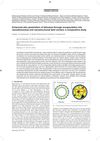
May 2016 in “Die Pharmazie” Nanostructured lipid carriers deliver lidocaine to the skin better than nanoethosomes.
 12 citations
,
July 2010 in “Journal of Dispersion Science and Technology”
12 citations
,
July 2010 in “Journal of Dispersion Science and Technology” Elastic liposomes deliver genistein through haired skin better than conventional liposomes.