11 citations
,
January 2020 in “Journal of Drugs in Dermatology” Intralesional triamcinolone acetonide is effective and safe for treating early to mid-stage traction alopecia.
October 2023 in “Journal of Integrative Medicine and Research” Vitiligo and lupus can occur together, requiring careful treatment to manage both conditions.
 May 2025 in “The Journal of Rheumatology”
 Proactive physical therapy improved mobility, reduced fatigue, and pain in lupus patients.
 8 citations
,
March 2020 in “Dermatologic Therapy”
8 citations
,
March 2020 in “Dermatologic Therapy” The new hair loss treatment kit was safe and improved hair growth without any adverse effects.
September 2025 in “Journal of the American Academy of Dermatology” Deuruxolitinib improves anxiety and depression in severe alopecia areata patients.
 32 citations
,
January 2008 in “Journal of Microencapsulation”
32 citations
,
January 2008 in “Journal of Microencapsulation” Cosmetics with hinokitiol-loaded nanocapsules were found to effectively promote hair growth.
49 citations
,
February 2022 in “Drug Design Development and Therapy” Ritlecitinib shows promise for hair regrowth in alopecia areata patients.
 67 citations
,
October 2005 in “Annals of Oncology”
67 citations
,
October 2005 in “Annals of Oncology” Fulvestrant is a well-tolerated new treatment for advanced breast cancer that may delay chemotherapy.
Ritlecitinib is a new treatment for severe hair loss in people 12 and older.
 May 2018 in “European Journal of Dermatology”
 Adjusting the medication tacrolimus resolved a boy's red nail beds after a stem cell transplant.
May 2025 in “Dermatology Reports” A genetic mutation in the LIPH gene causes a rare hair disorder with sparse, curly hair.
9 citations
,
July 2019 in “Dermatologic therapy” Alitretinoin can effectively treat frontal fibrosing alopecia.
7 citations
,
February 2011 in “Journal of dermatology” The 736T>A mutation in the LIPH gene is common in Japanese people with autosomal recessive woolly hair.
 1 citations
,
January 2023 in “AYUSHDHARA”
1 citations
,
January 2023 in “AYUSHDHARA” Nilibhringadi Taila is effective for improving hair quality and promoting growth.
April 2017 in “Leukemia research” Tofacitinib helped most teenagers in the study regrow hair with mild side effects.
 66 citations
,
December 2018 in “Dermatology”
66 citations
,
December 2018 in “Dermatology” Both ruxolitinib and tofacitinib are effective and safe for treating severe alopecia areata, but relapses are common.
1 citations
,
October 2024 in “The American Journal of Gastroenterology” Nutrafol may cause liver damage.
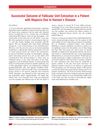 January 2021 in “Journal of Cutaneous and Aesthetic Surgery”
 Follicular unit extraction successfully restored hair growth in a leprosy patient without disease relapse.
 16 citations
,
March 2013 in “JAMA Dermatology”
16 citations
,
March 2013 in “JAMA Dermatology” A cancer drug called nilotinib might cause hair loss due to inflammation around hair follicles.
May 2025 in “Journal of the European Academy of Dermatology and Venereology” Ritlecitinib is effective for long-term hair regrowth in alopecia areata, especially in females and early treatment.
7 citations
,
March 2023 in “JEADV. Journal of the European Academy of Dermatology and Venereology/Journal of the European Academy of Dermatology and Venereology”  March 2025 in “Journal of Clinical Medicine”
 Low-dose oral minoxidil effectively treats alopecia but can cause side effects like excess hair growth and fluid retention.
9 citations
,
November 2016 in “Archives of Plastic Surgery” The L-U mixture promotes hair growth as effectively as minoxidil.
December 2025 in “Annals of African Medicine”  14 citations
,
April 2018 in “ACS Biomaterials Science & Engineering”
14 citations
,
April 2018 in “ACS Biomaterials Science & Engineering” Nanoemulsion is a promising method for delivering luteolin to promote hair growth without minoxidil's side effects.
 April 2023 in “Dermatology practical & conceptual”
 Tacrolimus solution is effective and well-tolerated for treating inflammatory scalp conditions.
 March 2022 in “Más dermatología”
 Chronic lupus and frontal fibrosing alopecia can occur together, but their connection is unclear.
47 citations
,
September 2012 in “Human molecular genetics online/Human molecular genetics” Folliculin deficiency causes problems with cell division and positioning due to disrupted RhoA signaling and interaction with p0071.

BLTP1 and KIF27 gene mutations can help breed better wool sheep.
32 citations
,
August 1982 in “Journal of the American Academy of Dermatology” GLPLS and LPP are variants of lichen planus.