 September 2023 in “bioRxiv (Cold Spring Harbor Laboratory)”
 FOL-026 peptide can help repair blood vessels and promote growth, offering potential treatment for vascular diseases.
 May 2025 in “The FASEB Journal”
 Targeting the TNFRSF1B gene may help treat hair loss.
January 2012 in “eScholarship (California Digital Library)” Hair and nails contain stable RNA, useful for personalized medicine and screening.
 December 2025 in “Frontiers in Veterinary Science”
 Liaoning cashmere goats grow more cashmere by boosting fat production, supporting hair structure, and controlling inflammation.
 76 citations
,
April 2005 in “Cancer Epidemiology, Biomarkers & Prevention”
76 citations
,
April 2005 in “Cancer Epidemiology, Biomarkers & Prevention” E211 G>A gene linked to lower risk of severe prostate cancer and hair loss.
1 citations
,
June 2022 in “Journal of Cosmetic Dermatology” Two specific genetic markers increase the risk of hair loss in Asian populations.
11 citations
,
April 2012 in “Journal of Investigative Dermatology” A specific mutation in PA-PLA1α causes abnormal hair growth.
2 citations
,
December 2020 in “Frontiers in genetics” Researchers found genes linked to feather growth speed in Shouguang chickens, highlighting two genes that might explain differences in feathering.
ILC1-like cells may contribute to hair loss in alopecia areata.
January 2026 in “ACS Applied Bio Materials” A new treatment using nanoliposomes can improve hair regrowth in androgenetic alopecia.
Deleting the MAD2L1 gene is tolerated in certain mouse cancer models.
 April 2023 in “The journal of investigative dermatology/Journal of investigative dermatology”
 Noncoding dsRNA helps produce exosomes that aid in skin regeneration.
 4 citations
,
October 2021 in “Scientific Reports”
4 citations
,
October 2021 in “Scientific Reports” NKIRAS2 can suppress certain skin tumors but its effect on cancer varies with context and expression level.
 28 citations
,
November 2018 in “Journal of Cellular and Molecular Medicine”
28 citations
,
November 2018 in “Journal of Cellular and Molecular Medicine” CXXC5 is a protein that controls cell growth and healing processes, and changes in its activity can lead to diseases like cancer and hair loss.
 111 citations
,
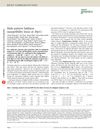
October 2008 in “Nature Genetics”
111 citations
,
October 2008 in “Nature Genetics” Researchers found a new gene area linked to male-pattern baldness, which, along with another gene, significantly increases the risk of hair loss in men.
3 citations
,
January 2013 in “Dermatology” New genetic mutations causing hair loss were found in a Chinese family.
 7 citations
,
June 2022 in “Czech Journal of Animal Science”
7 citations
,
June 2022 in “Czech Journal of Animal Science” Certain circular RNAs help cashmere goats grow more hair.
 26 citations
,
May 2012 in “Cellular and Molecular Life Sciences”
26 citations
,
May 2012 in “Cellular and Molecular Life Sciences” NcoA4 may have roles beyond helping control gene activity, possibly affecting cell behavior and stability.
 3 citations
,
February 2020 in “The journal of gene medicine”
3 citations
,
February 2020 in “The journal of gene medicine” A mutation in the HR gene causes a rare form of irreversible hair loss in two Kashmiri families. Whole exome sequencing is effective for finding such mutations.
 1 citations
,
September 2021 in “Cureus”
1 citations
,
September 2021 in “Cureus” The rs1128977 gene variant may affect cholesterol and body measurements.
March 2025 in “Archives of Dermatological Research” miR-155-5p can help diagnose and track alopecia areata severity.
1 citations
,
January 2025 in “Archives of Dermatological Research” Higher levels of IL-1R1 and hsa-miR-19b-3p may help diagnose and predict alopecia areata severity.
 7 citations
,
August 2017 in “PloS one”
7 citations
,
August 2017 in “PloS one” Key genes linked to hair growth and cancer were identified in hairless mice.
April 2017 in “The journal of investigative dermatology/Journal of investigative dermatology” Double stranded RNA helps skin wounds heal by coordinating specific proteins and signaling pathways.
 1 citations
,
September 2025 in “Frontiers in Immunology”
1 citations
,
September 2025 in “Frontiers in Immunology” HuR is essential for Treg function and preventing autoimmunity.
23 citations
,
June 1992 in “PubMed” RAR-gamma 1 is important for normal skin maintenance and differentiation.
3 citations
,
October 2019 in “EMBO molecular medicine” Targeting NCoR1 can help treat heart enlargement and dysfunction.
4 citations
,
October 2024 in “Experimental Dermatology” CD8A and FOXD2-AS1 may be key for diagnosing and treating alopecia areata.
November 2025 in “The Journal of Immunology” A humanized IL-2 fusion protein boosts T regulatory cells and helps control hair loss in Alopecia Areata.
2 citations
,
February 2024 in “Medicine” A mutation in the IL2RA gene increases the risk of alopecia areata.