39 citations
,
December 1998 in “Journal of Cell Science” The LEF-1 binding site enhances gene expression in hair follicles, with other proteins aiding specific regulation.
July 2026 in “Journal of Investigative Dermatology” 1 citations
,
January 2025 in “Medicine” Targeting SOX proteins may improve cancer treatment by restoring immune function.
 April 2026 in “Zenodo (CERN European Organization for Nuclear Research)”
 The study provides exploratory findings on miRNA changes in female hair loss.
 October 2023 in “Psychiatry research. Case reports”
 A new HRAS gene variant may cause a range of symptoms including intellectual disability and psychiatric issues.
 16 citations
,
April 2018 in “Animal Genetics”
16 citations
,
April 2018 in “Animal Genetics” Researchers found two genes that may explain why some Casertana pigs don't have hair.
1 citations
,
January 1992 in “DNA sequence” Researchers found a non-functional sheep keratin gene due to mutations.
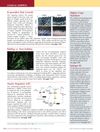 July 2016 in “Journal of Investigative Dermatology”
 R-spondin2 may help treat hair loss, gene differences could explain baldness, a peptide's regulation is linked to psoriasis, B-defensin gene copies may affect a skin condition's risk and severity, and potential markers and targets for alopecia areata were identified.
13 citations
,
September 2012 in “Cell & tissue research/Cell and tissue research” pCLCA2 protein may help maintain skin structure and function.
13 citations
,
April 2010 in “Journal of dermatological science” Chemotherapy-induced hair loss is partly due to decreased laminin-511 and increased laminin-332.
 November 2025 in “Cancer Management and Research”
 Targeting Keratin 17 may help overcome cancer therapy resistance.
10 citations
,
March 2022 in “Frontiers in Oncology” HOTTIP and miR-10b contribute to glioma therapy resistance by affecting cell behavior, suggesting they could be targets for treatment.
 May 2024 in “JCI insight”
 A variant in the ADAM17 gene causes hair loss by increasing protein degradation through TRIM47.
9 citations
,
December 2023 in “BMC Genomics” Hair follicles and urine cell pellets are promising for transcriptome studies.
 April 2016 in “Journal of Investigative Dermatology”
 SOX4 is crucial for the development of melanoma.
Genes and metabolites affect cashmere fiber thickness, which can improve cashmere quality.
 September 2025 in “Experimental & Molecular Medicine”
 Small molecules KY19382 and KY19334 may help treat skin cancer by reducing CDK1 levels and blocking harmful cell signals.
 31 citations
,
October 2010 in “Progress in lipid research”
31 citations
,
October 2010 in “Progress in lipid research” LPA3 is crucial for embryo implantation and links LPA to prostaglandin signaling.
 5 citations
,
February 2016 in “Genetic Testing and Molecular Biomarkers”
5 citations
,
February 2016 in “Genetic Testing and Molecular Biomarkers” Hair loss is significantly linked to lower levels of certain genes in hair follicles.
 21 citations
,
April 2014 in “PLoS ONE”
21 citations
,
April 2014 in “PLoS ONE” A rare gene variant causes hair and nail issues in a family.
 April 2019 in “The journal of investigative dermatology/Journal of investigative dermatology”
 848 genes related to fat and metabolism are less active in people with Central Centrifugal Cicatricial Alopecia.
 November 2022 in “Journal of Investigative Dermatology”
 The research found specific genes that are more active in balding cells, which could be causing hair loss.
 March 2024 in “Frontiers in endocrinology”
 A new MTX2 gene mutation caused a severe genetic disorder in a young Chinese girl.
218 citations
,
September 2012 in “Gastroenterology” Colorectal cancer development involves both genetic changes and epigenetic alterations like DNA methylation and microRNA changes.
44 citations
,
June 2017 in “The EMBO Journal” LPA3 signaling in the uterus is crucial for placental formation and fetal development.
 4 citations
,
May 2020 in “Cureus”
4 citations
,
May 2020 in “Cureus” A new genetic mutation causing Werner's syndrome was found in an Indian man.
 8 citations
,
May 2022 in “International journal of nanomedicine”
8 citations
,
May 2022 in “International journal of nanomedicine” Lecithin-encapsulated resveratrol nanoparticles could be a safe and effective anti-cancer treatment.
 20 citations
,
December 2000 in “Fertility and Sterility”
20 citations
,
December 2000 in “Fertility and Sterility” The N363S gene variant does not cause higher adrenal androgen levels in women with polycystic ovary syndrome.
May 2009 in “OPAL (Open@LaTrobe) (La Trobe University)” Suppressing the HGPS mutation may improve symptoms and suggest reversibility.
 January 2017 in “Brazilian Journal of Pharmaceutical Sciences”
 Arteannuin might work against cancer and Alzheimer's by targeting neprilysin.