20 citations
,
April 2014 in “Autoimmunity” A specific gene variant (rs4833095) is linked to a higher risk of alopecia areata in Koreans.
35 citations
,
August 2006 in “Molecular genetics and metabolism” Tissue-specific variation in mutant load complicates genetic counseling and prenatal diagnosis.
July 2025 in “Frontiers in Medicine” Mutations in the LIPH gene cause woolly hair in a child.
May 2005 in “Molecular Carcinogenesis” mrp/plf-mRNA can indicate tumor-promoting effects in skin.
1 citations
,
January 2025 in “Archives of Dermatological Research” Higher levels of IL-1R1 and hsa-miR-19b-3p may help diagnose and predict alopecia areata severity.
 April 2023 in “Journal of Investigative Dermatology”
 PTEN was identified as a specific marker for the skin disease cutaneous lupus erythematosus, and it helps increase the expression of harmful type I interferons.
 9 citations
,
August 2013 in “PLOS ONE”
9 citations
,
August 2013 in “PLOS ONE” Genetic variants at 20p11 increase baldness risk in Chinese Han people.
 12 citations
,
February 2021 in “Translational Psychiatry”
12 citations
,
February 2021 in “Translational Psychiatry” Researchers found two new genetic variants linked to Alzheimer's disease.
 23 citations
,
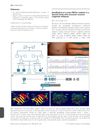
December 2013 in “British Journal of Dermatology”
23 citations
,
December 2013 in “British Journal of Dermatology” A new gene mutation linked to a skin condition was found in a Spanish family.
11 citations
,
April 2012 in “Journal of Investigative Dermatology” A specific mutation in PA-PLA1α causes abnormal hair growth.
May 2023 in “Pharmaceuticals” Three specific mutations in the LIPH gene can cause hair loss by damaging the protein's structure and function.
 December 2023 in “Animal research and one health”
 Certain circular RNAs are crucial for wool growth and curvature in goats.
39 citations
,
September 2018 in “American Journal of Medical Genetics Part A” A new genetic mutation in the ODC1 gene causes developmental delay and other symptoms in a young girl.
Defective protein folding due to a mutation is key in ANE syndrome.
May 2026 in “The FASEB Journal” miR-146b-5p may help treat hair loss by promoting hair growth and reducing inflammation.
33 citations
,
August 2000 in “Experimental Cell Research” May 2010 in “OPAL (Open@LaTrobe) (La Trobe University)” Vaccines and targeting TrxR variants can help prevent cancer and reduce metastasis.
MIR135b affects wound healing by targeting genes, and PDRN may help heal wounds by altering this pathway.
17 citations
,
October 2021 in “Cellular & Molecular Biology Letters” New biomarkers and potential treatments for skin diseases were identified.
 December 2025 in “International Journal of Surgery”
 GBP1 is a key target for treating Epstein-Barr virus-related kidney cancer, and finasteride may help.
January 2026 in “Non-coding RNA Research” Exosomal miRNA-218-5p promotes hair growth and development.
 6 citations
,
May 2012 in “Archives of Dermatological Research”
6 citations
,
May 2012 in “Archives of Dermatological Research” A new mutation in the HR gene is linked to a rare form of hair loss with limb deformities.
April 2017 in “The journal of investigative dermatology/Journal of investigative dermatology” Researchers found that certain miRNAs, which affect immune system regulation, are differently expressed in mice with a hair loss condition compared to healthy mice.
16 citations
,
December 2021 in “Journal of Integrative Neuroscience” miR-325-3p can slow down brain tumor growth by targeting FOXM1.
September 2019 in “The journal of investigative dermatology/Journal of investigative dermatology” A new mutation in the STING protein causes a disease with lupus-like symptoms and responds well to a specific inhibitor treatment.
November 2025 in “The Journal of Immunology” A humanized IL-2 fusion protein boosts T regulatory cells and helps control hair loss in Alopecia Areata.
 August 2023 in “Journal of Investigative Dermatology”
 Different body areas have unique skin cell communication patterns, explaining why certain skin diseases occur in specific regions.
July 2024 in “Journal of Investigative Dermatology” 32 citations
,
September 2013 in “Breast cancer research” A specific gene variant is linked to a higher risk of hair loss from chemotherapy in breast cancer patients.
January 2026 in “Current Issues in Molecular Biology” miR-5110 affects alpaca pigmentation by altering specific gene expressions.