81 citations
,
March 2006 in “Journal of Investigative Dermatology” Mutations in the DSG4 gene cause specific hair and scalp issues.
44 citations
,
August 2004 in “Journal of Investigative Dermatology” A gene deletion in DSG4 causes sparse hair in some Pakistani families.
33 citations
,
October 2005 in “Journal of Investigative Dermatology” A specific gene mutation causes sparse, brittle hair in a family.
25 citations
,
March 2007 in “The journal of investigative dermatology/Journal of investigative dermatology” A specific gene mutation causes varying hair loss severity in a Pakistani family.
13 citations
,
August 2005 in “Journal of Investigative Dermatology Symposium Proceedings” Mutations in the DSG4 gene cause fragile, sparse hair in humans, mice, and rats.
8 citations
,
July 2015 in “International Journal of Dermatology” A new DSG4 gene mutation causes hair defects in a young girl.
97 citations
,
March 2006 in “Journal of Investigative Dermatology” Mutations in the DSG4 gene cause a severe form of brittle hair and skin issues.
 74 citations
,
January 2006 in “The journal of investigative dermatology/Journal of investigative dermatology”
74 citations
,
January 2006 in “The journal of investigative dermatology/Journal of investigative dermatology” Mutations in the DSG4 gene can cause a rare hair disorder similar to monilethrix.
 55 citations
,
November 2018 in “American journal of human genetics”
55 citations
,
November 2018 in “American journal of human genetics” Mutations in the LSS gene cause a rare type of hereditary hair loss.
 89 citations
,
September 2010 in “Annual Review of Genomics and Human Genetics”
89 citations
,
September 2010 in “Annual Review of Genomics and Human Genetics” The document concludes that understanding the genes and pathways involved in hair growth is crucial for developing treatments for hair diseases.
50 citations
,
February 2004 in “Genomics” A gene mutation causes lanceolate hair in rats by disrupting hair shaft integrity.
35 citations
,
May 2006 in “Journal of Investigative Dermatology” Monilethrix involves multiple genes affecting hair structure, including DSG4 mutations.
 1 citations
,
February 2013 in “InTech eBooks”
1 citations
,
February 2013 in “InTech eBooks” Genetic mutations cause various hair diseases, and whole genome sequencing may reveal more about these conditions.
 December 2025 in “Frontiers in Medicine”
 ARWH is a rare hair disorder with no cure, but potential treatments include minoxidil and other therapies.
July 2025 in “Frontiers in Medicine” Mutations in the LIPH gene cause woolly hair in a child.
50 citations
,
February 2016 in “Journal of Investigative Dermatology” A mutation in the KRT25 gene causes a rare hair disorder with thin, woolly hair.
 May 2025 in “Frontiers in Genetics”
 A new genetic variant in the LIPH gene causes hair growth issues in a Chinese patient.
 5 citations
,
September 1986 in “Pediatric Dermatology”
5 citations
,
September 1986 in “Pediatric Dermatology” A family showed a new condition with inherited hair loss and skin changes, possibly due to one genetic disorder.
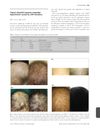 7 citations
,
March 2015 in “British Journal of Dermatology”
7 citations
,
March 2015 in “British Journal of Dermatology” Applying minoxidil can help improve hair growth in people with hair loss caused by LIPH gene mutations.
9 citations
,
June 2017 in “American journal of ophthalmology. Case reports” A new mutation in the CDH3 gene causes hair loss and vision problems in a young girl.
 28 citations
,
October 2004 in “Differentiation”
28 citations
,
October 2004 in “Differentiation” A gene deletion causes the "hairless" trait in Iffa Credo rats.
 1 citations
,
February 2009 in “Journal of Investigative Dermatology”
1 citations
,
February 2009 in “Journal of Investigative Dermatology” Lipase H is important for hair follicle function and shaping hair fibers.
 July 2024 in “Journal Archives of Health”
 Woolly hair is a rare genetic condition with no effective treatments.
5 citations
,
June 2014 in “Der Hautarzt” Genetic testing can identify causes of rare hair loss disorders in children, but no treatments exist.
 2 citations
,
August 2022 in “The journal of investigative dermatology/Journal of investigative dermatology”
2 citations
,
August 2022 in “The journal of investigative dermatology/Journal of investigative dermatology” A specific mutation in the K25 gene causes a rare genetic disorder with curly hair at birth and later hair loss, along with dental issues.
November 2025 in “Skin Health and Disease” Autosomal recessive woolly hair is rare and involves tightly coiled hair without other health issues.

Researchers found a genetic link for hereditary hair loss but need more analysis to identify the exact gene.
 August 2022 in “Frontiers in genetics”
 A new genetic change in the DSC3 gene is linked to a rare condition causing hair loss and skin blisters in a child.
June 2025 in “British Journal of Dermatology” Topical minoxidil may help improve hair growth in rare congenital hypotrichosis.
8 citations
,
March 2023 in “British Journal of Dermatology” Next-generation sequencing greatly improves understanding and treatment of genetic hair disorders.