January 2018 in “한국피부장벽학회지” DHCer levels in hair could be a biomarker for alopecia progression.
 December 2013 in “Praxis medica”
 Using both DLQI and Skindex-16 together gives a better understanding of quality of life in skin disease patients.
 5 citations
,
June 2016 in “TURKDERM”
5 citations
,
June 2016 in “TURKDERM” Scoring systems help doctors assess and treat skin diseases effectively.
40 citations
,
October 2012 in “Journal of the American Academy of Dermatology” CLASI is a valid tool for assessing skin activity and damage in lupus patients.
February 2026 in “Australasian Journal of Dermatology” A new tool simplifies alopecia areata severity scoring but needs validation.
 2 citations
,
January 2006 in “Technical report”
2 citations
,
January 2006 in “Technical report” The document concludes that better tools are needed to measure skin disease severity in dermatomyositis and cutaneous lupus erythematosus, and introduces the DSSI and CLASI as reliable instruments.
44 citations
,
October 2020 in “Arthritis Care & Research” Choosing the right tools is crucial for accurately measuring lupus activity and damage.
14 citations
,
June 2022 in “British Journal of Dermatology” A SALT score of ≤ 20 indicates meaningful improvement in alopecia areata treatment.
 52 citations
,
March 2007 in “Dermatologic Therapy”
52 citations
,
March 2007 in “Dermatologic Therapy” The CLASI is a reliable tool for measuring the severity of cutaneous lupus erythematosus.
3 citations
,
October 2020 in “Arthritis Care & Research” New tools and criteria have been developed to better assess and treat pediatric lupus.
Higher EULAR/ACR scores in SLE patients predict more organ damage.
13 citations
,
April 2021 in “Value in Health” There is a significant need for better-validated quality of life tools in dermatology.
 1 citations
,
September 2017
1 citations
,
September 2017 C-scores can help predict gain-of-function and loss-of-function mutations.
 January 2024 in “JEADV clinical practice”
 The study helps doctors use patient images to understand and apply SALT scores for treating severe alopecia areata.
6 citations
,
December 2021 in “Journal of Clinical Medicine” LiPADI is a useful tool for monitoring the severity and treatment of lichen planus.
 42 citations
,
November 2019 in “Frontiers in Endocrinology”
42 citations
,
November 2019 in “Frontiers in Endocrinology” The document suggests creating a validated score to diagnose Cushing's Syndrome and considers plasma steroid profiling as a simpler diagnostic method.
October 2022 in “The Laryngoscope” The InCISE score is a promising tool for assessing wound healing in head and neck surgery but needs more research for broader use.
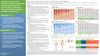 March 2026 in “SKIN The Journal of Cutaneous Medicine”
 All parts of the CLASI-A score are important for assessing skin activity in cutaneous lupus erythematosus.
13 citations
,
January 2022 in “Microvascular Research” LSCI-HR is reliable for monitoring blood flow in wound healing in mice.
4350 citations
,
May 2012 in “Arthritis & Rheumatism” The new SLICC criteria for diagnosing lupus are more sensitive and accurate than the old criteria.
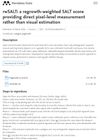 March 2026 in “Mendeley Data”
 rwSALT accurately measures hair regrowth in alopecia areata using scalp photos.
Excluding alopecia and mucous membrane components from the CLASI-A score reduces its effectiveness in capturing important disease activity.
 3 citations
,
November 2017 in “The American Journal of Cosmetic Surgery”
3 citations
,
November 2017 in “The American Journal of Cosmetic Surgery” The new Cosmetic Surgery Scar Assessment Scale (CSSAS) was found to be simple and effective in evaluating scars from hair restoration surgeries.
 March 2026 in “Mendeley Data”
 rwSALT provides precise hair regrowth measurement from scalp photos.
May 2024 in “JEADV Clinical Practice” A change in SALT scores of 42 or 43 indicates meaningful improvement in alopecia areata treatment.
Higher disease activity in systemic lupus erythematosus is strongly linked to more internal organ damage.
 July 2022 in “Journal of Investigative Dermatology”
 The conclusion suggests that a new system for measuring hair loss could be created using automated analysis of photographs.
 February 2008 in “Expert Review of Dermatology”
 Seborrheic dermatitis significantly lowers quality of life, especially in young people, women, and those with higher education.
December 2021 in “Skin appendage disorders” A reliable severity score for female pattern hair loss was developed and validated.
18 citations
,
September 2024 in “Journal of the European Academy of Dermatology and Venereology” The DLQI is a key tool for measuring quality of life in dermatology.