 December 2023 in “Communications biology”
 Targeting the HEDGEHOG-GLI1 pathway could help treat keloids.
 December 2023 in “Annals of phytomedicine”
 Dutasteride is more effective than finasteride for hair loss treatment.
 September 2023 in “Frontiers in cell and developmental biology”
 Vav2 changes how hair follicle stem cells' genes work as they age, which might improve regeneration but also raise cancer risk.
 September 2023 in “bioRxiv (Cold Spring Harbor Laboratory)”
 FOL-026 peptide can help repair blood vessels and promote growth, offering potential treatment for vascular diseases.
 June 2023 in “International Journal for Research in Applied Science and Engineering Technology”
 Emulgel improves skin delivery of various drugs better than traditional methods.
 June 2021 in “International Journal of Ayurvedic Medicine”
 Phytoconstituents from Cyperus Rotundus may help treat hirsutism by interacting with the 5 α reductase enzyme.
 September 2020 in “Research Square (Research Square)”
 Certain genes influence immunoglobulin levels in Chinese Holstein cows, which can improve calf health.
 July 2020 in “Research Square (Research Square)”
 Selective breeding can enhance immunity in dairy cattle.
 May 2020 in “Research Square (Research Square)”
 Researchers found four key stages of cell development that are important for hair growth and shedding in cashmere goats.
 January 2020 in “bioRxiv (Cold Spring Harbor Laboratory)”
 Semecarpus anacardium leaf extracts may offer safe, effective cancer treatment alternatives.
 November 2017 in “Asian journal of pharmaceutical and clinical research”
 Three compounds from Dadap leaves may help treat hair loss.
 August 2017 in “Journal of Pharmacy Practice and Research”
 Risk analysis is important for safely adjusting pharmaceutical formulas while maintaining their quality and effectiveness.
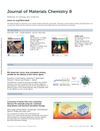 January 2016 in “Journal of Materials Chemistry B”
 Advancements in biomaterials and nanotechnology are improving medical applications like hair growth, bone regeneration, and cancer treatment.
 June 2015 in “Biomedical and biopharmaceutical research”
 The congress showed advancements in skin hydration, barrier function, and safe, effective new cosmetic formulations.

Higher cholesterol levels increase aggressive prostate cancer risk.
 January 2006 in “Carl von Ossiezky University of Oldenburg”
 Unpigmented keratinocytes absorb substances faster, while melanocytes bind more strongly to melanin.

Ovol2 is crucial for hair growth and skin healing by controlling cell movement and growth.
 5 citations
,
July 2014 in “Acta Crystallographica Section D-biological Crystallography”
5 citations
,
July 2014 in “Acta Crystallographica Section D-biological Crystallography” Mutations in the enzyme don't significantly change how it binds to its specific substances.
 31 citations
,
October 2010 in “Progress in lipid research”
31 citations
,
October 2010 in “Progress in lipid research” LPA3 is crucial for embryo implantation and links LPA to prostaglandin signaling.
158 citations
,
June 2014 in “Journal of Lipid Research” Lysophospholipids can act as anti-inflammatory agents through specific receptors, but more research is needed.
 68 citations
,
July 2011 in “Journal of Biochemistry/The journal of biochemistry”
68 citations
,
July 2011 in “Journal of Biochemistry/The journal of biochemistry” New LPA receptors (LPA4, LPA5, LPA6) have diverse roles in the body.
6 citations
,
December 2021 in “Journal of Clinical Medicine” LiPADI is a useful tool for monitoring the severity and treatment of lichen planus.

L-PGDS has specific binding sites for its functions and could help in drug delivery system design.
 202 citations
,
June 2005 in “Aaps Pharmscitech”
202 citations
,
June 2005 in “Aaps Pharmscitech” Lecithin organogels could be good for applying drugs to the skin because they are stable, safe, and can improve drug absorption.
January 2005 in “Life sciences” Targeting LPA could help treat skin disorders.
20 citations
,
January 2015 in “Biochimica and biophysica acta. Molecular and cell biology of lipids” Lysophosphatidic acid affects sensory neurons and may cause neuropathic pain and itch.
1 citations
,
January 2025 in “Proceedings of the National Academy of Sciences” LPAR6 has a unique way of binding and activating, which helps in designing treatments for hair loss and cancer.
253 citations
,
April 2009 in “Journal of Biological Chemistry” p2y5, now called LPA6, is a receptor important for human hair growth.
February 2025 in “Universidade Nova de Lisboa's Repository (Universidade Nova de Lisboa)”  24 citations
,
December 2018 in “Life sciences”
24 citations
,
December 2018 in “Life sciences” Lysophosphatidic acid is important for skin health and disease, and could be a target for new skin disorder treatments.