 June 2023 in “British journal of dermatology/British journal of dermatology, Supplement”
 A girl with Becker naevus syndrome has a genetic variant in the ACTB gene related to her symptoms.
Trichorrhexis nodosa causes hair to break easily, often affecting young to middle-aged black women.
 6 citations
,
December 2004 in “Anais Brasileiros de Dermatologia”
6 citations
,
December 2004 in “Anais Brasileiros de Dermatologia” Some family members had a condition with both loose hair and unique eye changes, possibly indicating a new type of ectodermal dysplasia.
8 citations
,
April 2013 in “Der Hautarzt” Children's hair loss differs from adults, with alopecia areata being most common.
1 citations
,
July 2021 in “IntechOpen eBooks” Environmental factors can cause mutations in skin proteins, leading to skin disorders.
A 14-year-old girl with Loose Anagen Hair Syndrome was successfully treated with oral Minoxidil and a Silicon supplement.
11 citations
,
October 2017 in “Dermatologic Surgery” Men need tailored laser and energy-based cosmetic treatments.
 1 citations
,
October 2016 in “The Indian Journal of Medical Research”
1 citations
,
October 2016 in “The Indian Journal of Medical Research” The book is a valuable guide for managing hair disorders, despite some missing details.
 September 1997 in “Journal of The European Academy of Dermatology and Venereology”
 Alopecia linked to higher anxiety and personality disorders.
5 citations
,
January 2016 in “International Journal of Trichology” Erlotinib can cause hair loss and texture changes.
 September 2022 in “Journal of Case Reports and Medical History”
 Many new moms lose hair after childbirth due to hormonal changes, but it usually grows back within a year.
 May 2015 in “Journal of The American Academy of Dermatology”
 Some people may temporarily lose more hair in certain areas after a hair transplant.
 June 2021 in “Aesthetic Cosmetology and Medicine”
 Some people lose a lot of hair after having COVID-19.
 December 2018 in “Journal of Patan Academy of Health Sciences”
 Many Chinese patients lose hair after weight loss surgery, especially women, and taking iron and zinc on their own doesn't help.
 37 citations
,
January 2009 in “Dermatology”
37 citations
,
January 2009 in “Dermatology” Healthy women tend to lose more hair in July and April, and the least in February.
June 2018 in “British Journal of Dermatology” Hair cells lose their nucleus and mitochondria in a specific order as they fill with keratin, which could help develop treatments for hair issues.
 August 2011 in “Clinical and Experimental Dermatology”
 About 30% of women feel they lose too much hair, often starting before age 40, and most can't find a reason for it.
56 citations
,
December 2010 in “The journal of investigative dermatology/Journal of investigative dermatology” Hair follicle cells age faster and lose pigment due to less catalase, causing hair to turn gray.
 2 citations
,
June 2022 in “Scientific reports”
2 citations
,
June 2022 in “Scientific reports” Mouse hair follicle stem cells lose their ability to change into different cell types after being grown for a long time.
16 citations
,
January 2021 in “Frontiers in veterinary science” Pigs in farrowing crates and loose-housing systems showed no difference in chronic stress levels as measured by hair cortisol.
 January 2017 in “Jikken doubutsu ihou/Jikken doubutsu/Experimental animals/Jikken Dobutsu”
 Mice with a changed Hr gene lose and regrow hair due to changes in the gene's activity.
 18 citations
,
April 2013 in “Inflammatory Bowel Diseases”
18 citations
,
April 2013 in “Inflammatory Bowel Diseases” People with Inflammatory Bowel Disease often lose hair due to stress, medication side effects, or lack of nutrients, and treatment depends on the specific cause.
 9 citations
,
December 2008
9 citations
,
December 2008 Men with untreated male pattern hair loss continue to lose hair over a 5-year period.
 10 citations
,
December 2010 in “British Journal of Dermatology”
10 citations
,
December 2010 in “British Journal of Dermatology” After menopause, some women lose scalp hair and gain facial hair, with patterns suggesting different underlying causes.
 11 citations
,
September 2007 in “Advances in therapy”
11 citations
,
September 2007 in “Advances in therapy” INVERSION Femme supplement helped women lose weight, reduce hair loss, and improve skin and nail health.
4 citations
,
June 2024 in “British Journal of Dermatology” EGFRi/MEKi treatments cause hair follicles to lose some immune protection, leading to inflammation.
 76 citations
,
March 2005 in “Journal of Molecular Medicine”
76 citations
,
March 2005 in “Journal of Molecular Medicine” Certain mice without specific receptors or mast cells don't lose hair from stress.
 6 citations
,
December 2022 in “Cell reports”
6 citations
,
December 2022 in “Cell reports” Eating a high-fat fish oil diet caused mice to lose hair due to a specific immune cell activity in the skin linked to a protein called E-FABP.
 3 citations
,
June 2002 in “Transgenic Research”
3 citations
,
June 2002 in “Transgenic Research” Scientists made a mouse that can be made to lose hair and then grow it back.
 47 citations
,
July 1967 in “Science”
47 citations
,
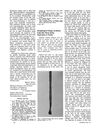
July 1967 in “Science” Not eating enough protein can cause hair roots to shrink and lose color, and hair to become thinner.