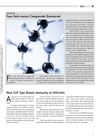
 December 2011 in “Asia-Pacific biotech news”
 In 2011, there were major scientific breakthroughs in cancer treatment, immunity, Parkinson's, virus simulation, schizophrenia, hair growth, lung cancer, and medical grafts.
 November 2011 in “Australasian Journal of Dermatology”
 Cellulite may be linked to low adiponectin, isotretinoin with UVB can treat psoriasis effectively, permanent alopecia post-chemotherapy resembles a unique hair loss, deodorants may cause fragrance allergies, desmoplastic melanoma is becoming more common, and intensive UVB treatment can give long-term psoriasis remission.
 July 2011 in “Springer eBooks”
 The document concluded that FDA-approved treatments like minoxidil and finasteride are effective for hair loss, while the effectiveness of natural remedies and other non-approved treatments is not well-supported by evidence.
 June 2011 in “Expert Review of Dermatology”
 Researchers discovered potential origins and new treatments for skin cancer, including biomarkers for melanoma and therapies that reduce tumor growth.

Most American men experience hair loss by age 50, with limited effective treatments available and new options not expected soon.
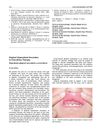 January 2010 in “Actas Dermo-Sifiliográficas”
 A woman developed thick gums from everolimus treatment after a kidney transplant.
 January 2009 in “Springer eBooks”
 The document concludes that managing skin conditions during pregnancy is important and requires specialized care.
 September 2003 in “Current Paediatrics”
 The document concludes that accurate diagnosis and understanding the type of hair disorder are crucial for treating hair loss in children.
 June 2002 in “International Journal of Cosmetic Surgery and Aesthetic Dermatology”
 The document recommends several books on cosmetic surgery and complementary medicine, highlighting their detailed methods, multidisciplinary approaches, and valuable treatment insights.
 January 1997 in “Elsevier eBooks”
 The document explains how shampoos clean, rinses condition, one-step shampoos offer convenience, and hair growth promoters aim to prevent hair loss, emphasizing the importance of scientific evidence for their effectiveness.
 January 1991 in “Journal of Pediatric Health Care”
 Hair loss in children can be caused by fungal infections, trauma, autoimmune disorders, or stress, and treatments vary depending on the cause.
 January 1990 in “Springer eBooks”
 Some chemicals can permanently or temporarily remove color from skin and hair, which can be distressing and is not well-regulated in cosmetics.
 September 1983 in “Journal of The American Academy of Dermatology”
 Experts discussed hair care, genetic hair defects, hair loss treatments, nail surgery, lupus treatments, skin infections, and cosmetic allergies.
 January 1983 in “Journal of the American Oil Chemists' Society”
 The U.S. soybean industry wanted government help due to foreign competition, while the jojoba industry was growing and expected to stabilize.
 July 1980 in “Journal of The American Academy of Dermatology”
 The conference concluded that understanding hair and nail disorders is important, iron deficiency may be linked to hair loss, and while some treatments for skin conditions are effective, they may have risks and high costs.
 July 1980 in “International Journal of Dermatology”
 Aloe vera gel is effective for treating skin conditions and is used in many cosmetic products.

Long-term use of seizure medications can disrupt calcium metabolism, but this can be treated with vitamin D or UV light and does not affect seizure control.

The document concludes that most hair loss treatments don't work, balding isn't caused by dandruff, and hair loss may indicate serious health issues that require medical attention.

Jockeys using diuretics without potassium supplements can face health problems.
 February 1960 in “Journal of the American Medical Association”
 Treatments for hair loss include estrogen therapy and special shampoos.
 February 1938 in “Journal of the American Medical Association”
 Washing can prevent cancer from lubricating oils, extreme body temperatures need more study, Sulfomid is not recognized, no reliable diphtheria carrier treatment except surgery, eyelid injuries should heal before repair, heterophile antibody test is specific for mononucleosis, chlorine inhalations for colds are outdated, and wheat germ is safe.
 December 2022 in “International Research Journal Of Modernization In Engineering Technology And Science”
 Cosmeceuticals are special products that improve skin and hair health and have benefits like treating acne and wrinkles, protecting from the sun, and helping with dandruff and hair growth.
 January 2021 in “Journal of cosmetology & trichology”
 The treatment improved hair growth and thickness in patients with hair loss, even 10 months after therapy without additional products.
 January 2007 in “Dermatologic Surgery”
 Artificial hair fibers help treat scalp scars with few complications and a 20% yearly fiber fall rate.

Hair loss can cause significant social and emotional issues, especially for women and young men.
4 citations
,
October 2017 in “International Journal of Applied Pharmaceutics” Licorice extract hair tonics are effective and safe for hair growth, except for mild eye irritation at the lowest concentration.
 2295 citations
,
August 2012 in “The international journal of transgenderism/International journal of transgenderism”
2295 citations
,
August 2012 in “The international journal of transgenderism/International journal of transgenderism” The guidelines recommend informed consent for gender-affirming treatments and stress the importance of personalized, culturally sensitive care for transgender individuals.
 1540 citations
,
October 2008 in “Fertility and Sterility”
1540 citations
,
October 2008 in “Fertility and Sterility” The report concludes that PCOS is mainly a condition of excess male hormones and its definition may change as new information is discovered.
 1265 citations
,
October 2013 in “The Journal of Clinical Endocrinology and Metabolism”
1265 citations
,
October 2013 in “The Journal of Clinical Endocrinology and Metabolism” The guideline suggests using specific criteria to diagnose PCOS, recommends various treatments for its symptoms, and advises screening for related health issues.
 610 citations
,
April 2014 in “Nature Reviews Immunology”
610 citations
,
April 2014 in “Nature Reviews Immunology” The document concludes that understanding how the skin's immune system and inflammation work is complex and requires more research to improve treatments for skin diseases.