 207 citations
,
April 2006 in “Journal of The American Academy of Dermatology”
207 citations
,
April 2006 in “Journal of The American Academy of Dermatology” Iron deficiency may be related to hair loss, but there's not enough evidence to recommend iron screening or supplements for all hair loss patients.
 400 citations
,
January 2014 in “British Journal of Sports Medicine”
400 citations
,
January 2014 in “British Journal of Sports Medicine” The consensus provided guidelines for treating the Female Athlete Triad and a system to decide when athletes can return to sports.
7 citations
,
May 2024 in “Life” Younger people may have a higher risk of hair loss due to poor nutrition and lifestyle.
 2 citations
,
May 2023 in “Current Nutrition Reports”
2 citations
,
May 2023 in “Current Nutrition Reports” Eating a Mediterranean diet and taking certain supplements may improve symptoms of PCOS.
May 2026 in “Science Advances” Caloric stress and differentiation increase IRES translation, affecting stem cell function and potential therapies.
 89 citations
,
November 2014 in “Medical Clinics of North America”
89 citations
,
November 2014 in “Medical Clinics of North America” Eating 500 fewer calories a day and making lifestyle changes can improve PCOS symptoms and reduce diabetes risk; more research is needed on its causes and treatments.
 3 citations
,
May 2018 in “Journal of nutritional health & food science”
3 citations
,
May 2018 in “Journal of nutritional health & food science” Nutritional supplements can help manage hair loss and promote hair growth by strengthening hair roots and countering harmful effects of pollution, smoking, and deficiencies in vitamins and minerals.
 391 citations
,
September 2015 in “Journal of Clinical Lipidology”
391 citations
,
September 2015 in “Journal of Clinical Lipidology” The guidelines suggest lifestyle changes, diet adjustments, and personalized medication to manage dyslipidemia and reduce heart disease risk.
 6 citations
,
January 2011 in “Springer eBooks”
6 citations
,
January 2011 in “Springer eBooks” Nutrition is important for skin health, and changing diet can help prevent and treat skin diseases.
June 2010 in “Journal of Cosmetic Dermatology” Caloric restriction may extend life but doesn't improve appearance, and modern eating habits need reevaluation.
 5 citations
,
January 2003 in “Oilseeds and fats, crops and lipids/OCL. Oilseeds & fats crops and lipids”
5 citations
,
January 2003 in “Oilseeds and fats, crops and lipids/OCL. Oilseeds & fats crops and lipids” Vegetable protein lowers cholesterol and protein deficiency can cause health issues.
October 2023 in “Journal of Mind and Medical Sciences” Ongoing follow-up and dietary counseling are crucial for maintaining health benefits after metabolic surgery.
 1 citations
,
April 2021 in “Current Stem Cell Reports”
1 citations
,
April 2021 in “Current Stem Cell Reports” Eating less can improve stem cell function and increase lifespan.
 November 2025 in “Scientific Reports”
 Liver disease is linked to hair loss, especially in women and those with unhealthy lifestyles.
Individualized treatment plans, including lifestyle changes and specific medications, are crucial for managing PCOS in adolescents.
 49 citations
,
July 2021 in “Nutrients”
49 citations
,
July 2021 in “Nutrients” Eating healthy, exercising, and taking certain supplements can help manage Polycystic Ovary Syndrome symptoms.
 11 citations
,
January 2017 in “Journal of Endocrinology/Journal of endocrinology”
11 citations
,
January 2017 in “Journal of Endocrinology/Journal of endocrinology” Female mice with disrupted 5α-reductase 1 had significant metabolic issues, including stress response problems, insulin resistance, liver fat buildup, and obesity.
Losing weight and eating better are key to managing metabolic syndrome and its related conditions.
 45 citations
,
March 2010 in “Journal der Deutschen Dermatologischen Gesellschaft”
45 citations
,
March 2010 in “Journal der Deutschen Dermatologischen Gesellschaft” A systematic approach is crucial for managing hair loss in women.
 5 citations
,
January 2014 in “International journal of gynaecology and obstetrics”
5 citations
,
January 2014 in “International journal of gynaecology and obstetrics” HIV-positive pregnant women are more likely to experience severe bleeding, and a pregnant woman with familial hypertriglyceridemia had a successful early delivery with special care.
2 citations
,
March 2020 in “JAAD case reports” A leukemia patient showed skin peeling similar to kwashiorkor, a severe protein deficiency.
12 citations
,
October 2018 in “Journal of Mind and Medical Sciences” An unhealthy lifestyle increases the risk of metabolic syndrome.
13 citations
,
January 2014 in “Journal of Veterinary Internal Medicine” The cat's hypothyroidism was successfully managed with levothyroxine, leading to a stable condition.
6 citations
,
December 2024 in “BMC Women s Health” Lifestyle changes improve weight, waist size, menstrual regularity, and acne in teens with PCOS.
380 citations
,
February 2023 in “Journal of Clinical Medicine” PCOS is influenced by various factors and may be managed by restoring gut health and using new therapies.
 68 citations
,
January 2022 in “International Journal of Molecular Sciences”
68 citations
,
January 2022 in “International Journal of Molecular Sciences” PCOS management includes lifestyle changes and medications, with ongoing research into repurposed drugs for better treatment options.
 18 citations
,
November 1981 in “JAMA”
18 citations
,
November 1981 in “JAMA” The Beverly Hills Diet is unscientific, potentially harmful, and could cause serious health issues.
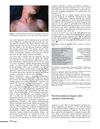
A boy on a ketogenic diet and anti-epileptic drugs developed skin issues due to stopping vitamin supplements, which improved with proper supplementation.
 40 citations
,
January 2010 in “Indian Journal of Dermatology, Venereology and Leprology”
40 citations
,
January 2010 in “Indian Journal of Dermatology, Venereology and Leprology” Certain diets can affect skin conditions, but more research is needed to understand these relationships fully.
Holistic treatments like diet, exercise, and mental well-being should be prioritized for better PCOS management.