 December 2016 in “Springer eBooks”
 Chrousos Syndrome is caused by mutations that make the body less sensitive to glucocorticoids, leading to various symptoms and requiring high-dose treatment.
 March 2021 in “Clin-Alert”
 The FDA warned about safety issues with remdesivir and tofacitinib, finasteride is linked to suicidality, potent topical corticosteroids increase osteoporosis risk, henna can cause hemolysis in G6PD deficiency, chemotherapeutic agents can cause adverse reactions, drug interactions are common in cancer patients, ketamine can reduce at-risk drinking, high dose of anticholinergics increases dementia risk in Parkinson's patients, and prenatal exposure to second-generation antipsychotics increases pregnancy complications.
 379 citations
,
May 2016 in “Cochrane library”
379 citations
,
May 2016 in “Cochrane library” Corticosteroids, especially prednisone, improve short-term muscle strength in Duchenne muscular dystrophy but have manageable side effects.
 12 citations
,
January 2011 in “Photodermatology, photoimmunology & photomedicine”
12 citations
,
January 2011 in “Photodermatology, photoimmunology & photomedicine” This therapy effectively treats resistant alopecia areata with minimal side effects.
May 2021 in “Medicina internă” High-dose corticosteroid treatment helped improve symptoms in a patient with Adult Onset Still Disease.
 August 2010 in “The Journal of Dermatology”
 The document concludes that low-dose acne treatment is most suitable for moderate acne, with high patient satisfaction and low relapse rates.
 2 citations
,
October 2022 in “British journal of haematology”
2 citations
,
October 2022 in “British journal of haematology” A girl with Evans' syndrome had her low platelet count successfully treated with zanubrutinib.
 1 citations
,
May 2023 in “Journal of the American Academy of Dermatology”
1 citations
,
May 2023 in “Journal of the American Academy of Dermatology” Younger patients and those with more hair loss are less likely to benefit from oral steroid treatment for hair loss, and low vitamin D may predict relapse.
 13 citations
,
October 2015 in “Journal of the European Academy of Dermatology and Venereology”
13 citations
,
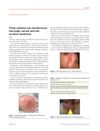
October 2015 in “Journal of the European Academy of Dermatology and Venereology” The document concludes that early recognition and appropriate treatment of red scalp, red ear, and red scrotum syndromes can lead to remission.
 34 citations
,
August 2002 in “British Journal of Dermatology”
34 citations
,
August 2002 in “British Journal of Dermatology” ALA-PDT is effective and safe for chronic X-ray dermatitis, providing complete or partial remission.
 7 citations
,
September 2013 in “Current Dermatology Reports”
7 citations
,
September 2013 in “Current Dermatology Reports” Some skin medications are safe for pregnant women, but others pose risks or should not be used.
 108 citations
,
November 1980 in “British Journal of Dermatology”
108 citations
,
November 1980 in “British Journal of Dermatology” Oral retinoids are effective for various skin conditions but have side effects and should not be used during pregnancy.
 38 citations
,
October 1996 in “Dermatologic Clinics”
38 citations
,
October 1996 in “Dermatologic Clinics” Certain hormone treatments can improve acne and related conditions in women.
3 citations
,
August 2018 in “Therapeutics and Clinical Risk Management” Corticosteroid therapy for alopecia areata can cause severe hip bone damage.
 23 citations
,
October 2005 in “Journal of The American Academy of Dermatology”
23 citations
,
October 2005 in “Journal of The American Academy of Dermatology” Two transplant patients on cyclosporine unexpectedly developed hair loss.
 36 citations
,
May 2011 in “Dermatologic therapy”
36 citations
,
May 2011 in “Dermatologic therapy” No treatments fully cure or prevent alopecia areata; some help but have side effects or need more research.
 27 citations
,
April 2005 in “Journal of Chemotherapy”
27 citations
,
April 2005 in “Journal of Chemotherapy” Some patients may experience temporary total hair loss from hepatitis C treatment with PEG-interferon and ribavirin.

Antimalarial agents are effective for LPP, and intralesional steroids are effective for FFA.
 7 citations
,
October 2019 in “Annals of palliative medicine”
7 citations
,
October 2019 in “Annals of palliative medicine” New targeted cancer drugs can cause skin side effects, and managing them requires patient education and timely care.
 2 citations
,
May 2017 in “Springer eBooks”
2 citations
,
May 2017 in “Springer eBooks” Pregnancy can cause skin changes and affect existing skin conditions, with limited treatment options due to the need for fetal safety.
 April 2019 in “Journal of the Dermatology Nurses’ Association”
 A 37-year-old man with hair loss and skin issues was successfully treated with oral antibiotics, highlighting the need for early treatment. Long-term care includes low-dose antibiotics and avoiding caps and wigs.
87 citations
,
December 2015 in “Cochrane library” No single treatment is clearly effective for central serous chorioretinopathy.
November 2024 in “Journal of the Philippine Dermatological Society” Combining methotrexate and corticosteroids can effectively regrow hair in severe alopecia areata.
2 citations
,
May 2025 in “IntechOpen eBooks” Early treatment with corticosteroids and immunosuppressants is crucial for managing Vogt-Koyanagi-Harada disease.
3 citations
,
May 2024 in “International Journal of Dermatology” Pediatric pemphigus is often diagnosed late, but rituximab helps control it long-term.
3 citations
,
November 2021 in “Frontiers in medicine” Methotrexate effectively controls eye inflammation in Japanese patients with non-infectious uveitis but requires careful monitoring for side effects.
3 citations
,
January 2017 in “Journal of clinical and diagnostic research” Injecting steroids like Triamcinolone Acetonide for skin treatments can cause Cushing's Syndrome.
44 citations
,
August 2014 in “Anais brasileiros de dermatologia/Anais Brasileiros de Dermatologia” Methotrexate is a promising and safe treatment for severe alopecia areata, with better results when combined with corticosteroids.
5 citations
,
June 2024 in “Value in Health Regional Issues” New therapies are needed to reduce the burden of alopecia areata.
 1 citations
,
December 2022 in “Life”
1 citations
,
December 2022 in “Life” Topical corticosteroids are the main treatment for Erosive Pustular Dermatosis, but recurrence is common after stopping treatment.