Search
for
Sort by
Research
510-540 / 1000+ results
research A new START
PDF2 senses specific lipids and regulates root growth and gene expression in Arabidopsis.
research LO-009 Responsiveness of the CLASI to alopecia and mucous membrane involvement: a retrospective study of prospectively collected data
Excluding alopecia and mucous membrane components from the CLASI-A score reduces its effectiveness in capturing important disease activity.
research Post-menopausal frontal fibrosing alopecia
The document concludes that post-menopausal frontal fibrosing alopecia is a poorly understood condition that does not respond well to common treatments.
research Epithelial-to-Mesenchymal Stem Cell Transition in a Human Organ: Lessons from Lichen Planopilaris
PPAR-γ agonists like pioglitazone may help manage lichen planopilaris but don't fully reverse scarring.
research Identification of an osteopontin-derived peptide that binds neuropilin-1 and activates vascular repair responses and angiogenesis
FOL-026 peptide may help hair growth and cardiovascular health by improving blood flow and cell functions.
research GPX4 mRNA levels in the PMNs are negatively correlated with autoantibody production, disease activity and lupus alopecia in SLE
Lower GPX4 mRNA levels are linked to higher disease activity and symptoms in lupus patients.

research Hair Transplantation in Frontal Fibrosing Alopecia and Lichen Planopilaris: A Systematic Review
Hair transplants can work for frontal fibrosing alopecia and lichen planopilaris, but results are less favorable and the conditions can develop after the transplant.
research LB708 ILC1-like innate lymphocytes in human autoimmunity: Lessons from Alopecia Areata
ILC1-like cells can cause alopecia areata by disrupting hair follicle immunity, suggesting a new treatment approach.
research LUPUS PANNICULITIS AS AN INITIAL MANIFESTACION OF SYSTEMIC LUPUS ERYTHEMATOSUS: A CASE REPORT
Lupus Panniculitis can be an early sign of Systemic Lupus Erythematosus.
research LncRNA-599547 contributes the inductive property of dermal papilla cells in cashmere goat through miR-15b-5p/Wnt10b axis
A specific RNA in cashmere goats helps improve hair growth by interacting with certain molecules.
research Atypical Progeroid Syndrome due to Heterozygous Missense LMNA Mutations
The research found that Atypical Progeroid Syndrome has unique symptoms and is not caused by the buildup of a certain mutant protein.

research Role of bulge epidermal stem cells and TSLP signaling in psoriasis
Blocking TSLP reduces skin inflammation and cell overgrowth in psoriasis.
research Platelet lysate promotes hair growth: In vitro and in vivo mechanism and randomized, controlled trial
Platelet lysate effectively promotes hair growth and improves hair thickness in people with androgenetic alopecia.
research Tofacitinib for the treatment of lichen planopilaris: A case series
Oral tofacitinib can significantly improve recalcitrant lichen planopilaris.
research Effects of scalp lotion containing alpha lipoic acid derivatives for chemotherapy-induced alopecia in patients with gastrointestinal cancer: A prospective cohort study
The scalp lotion helped increase hair thickness in cancer patients undergoing chemotherapy.
research Lipedematous alopecia of the scalp
Lipedematous scalp may be underdiagnosed and doesn't improve with finasteride.
research Low-Level Light Therapy for Androgenetic Alopecia: A 24-Week, Randomized, Double-Blind, Sham Device–Controlled Multicenter Trial
Low-level light therapy safely improves hair growth and thickness for androgenetic alopecia.
research The lanceolate hair rat phenotype results from a missense mutation in a calcium coordinating site of the desmoglein 4 gene
A gene mutation causes lanceolate hair in rats by disrupting hair shaft integrity.
research Wnt Signaling Influences the Development of Murine Epidermal Langerhans Cells
Wnt signaling affects the development and growth of Langerhans cells in mice.
research 860 Understanding cellular & molecular responses in the treatment of pediatric lymphatic anomalies
Sirolimus and propranolol may reduce abnormal cell growth and improve lymphatic malformations in children.
research Atrichia with papular lesions
Accurate diagnosis of APL is crucial to avoid unnecessary treatments.

research Treatment of Frontal Fibrosing Alopecia and Lichen Planopilaris
The best treatment for Frontal Fibrosing Alopecia and Lichen Planopilaris combines oral and topical medications to reduce symptoms and stop hair loss.
research Optimized Methodology to Produce Platelet-Rich Plasma and Perform Platelet Aggregation in Patients With Coronary Artery Disease
A new method improves platelet testing for heart disease patients.
research Apremilast for Lichen Planopilaris and Frontal Fibrosing Alopecia: A Case Series
Apremilast may help treat lichen planopilaris and frontal fibrosing alopecia when other treatments fail.
research 516 Possible role of ILC1 in the pathogenesis of alopecia areata (AA)
ILC1 cells contribute to hair loss in alopecia areata.
research LB1029 The common fragrance, linalool, promotes core hair follicle pathology events associated with frontal fibrosing alopecia through activating a cognate olfactory receptor in the bulge
Linalool in fragrances may harm hair follicles and contribute to hair loss.
research Screening and Identification of LncRNAs Related to Villus Growth of Liaoning Cashmere Goats and Their Effects on Growth after FGF5 Treatment
Certain long non-coding RNAs in cashmere goats affect hair growth when treated with a specific growth factor.
research Compared to Controls, Individuals with Lichen Planopilaris Have More Depression, a Lower Self-Esteem, and a Lower Quality of Life
People with Lichen Planopilaris tend to be more depressed, have lower self-esteem, and a worse quality of life.
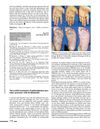
research Successful treatment of palmoplantar pustular psoriasis with brodalumab
Brodalumab effectively treated a man's severe hand and foot psoriasis.