 December 2025 in “Journal of Skin and Stem Cell”
 Patients with androgenetic alopecia often have abnormal lipid levels, so they should be screened and advised on lifestyle changes to prevent heart issues.
 September 2025 in “International Journal For Multidisciplinary Research”
 Androgenetic alopecia is linked to a higher risk of metabolic syndrome.
 September 2025 in “Cureus”
 19.5% of young college girls have PCOS, highlighting the need for early screening and intervention.

Dupilumab may cause hair loss, so patients should be monitored.
 June 2025 in “International Journal of Research and Review”
 Unani medicine offers a natural, effective approach to treating hair loss with minimal side effects, but needs more scientific validation.
 June 2025 in “Mağallaẗ ʻulūm al-rāfidayn”
 New pyrazole derivatives may help treat hair loss, but more testing is needed.
 April 2025 in “International Journal of Clinical Research and Reports”
 Lifestyle changes can significantly improve hair loss in overweight women with PCOS.

Intradermotherapy with minoxidil is as effective as topical application for treating hair loss.

Polarized microscopy helps identify hair irregularities in genetic disorders.
 October 2024 in “International Journal of Pharmaceutical Sciences Review and Research”
 A 5% minoxidil spray could effectively treat male baldness with fewer side effects and better patient comfort.
Mesenchymal stem cell-derived exosomes significantly increase hair density and thickness in androgenic alopecia patients.
 July 2024 in “Forum Dermatologicum”
 Topical treatments for hair loss can be effective but need careful safety evaluation.
 July 2024 in “Journal of Bioscience and Bioengineering”
 Different conditions affect how easily hair bacteria can be isolated.
 May 2024 in “Medicine today”
 Older age, family history, and low iron levels increase the risk of female hair loss.
 February 2024 in “medRxiv (Cold Spring Harbor Laboratory)”
 The study aims to understand how mood, physical activity, light exposure, and seasonal changes affect sleep patterns.
 February 2024 in “Journal of Health Science and Medical Therapy”
 ADAM17 could be a potential target for treating PCOS.
 January 2024 in “Frontiers in immunology”
 Histone modification is key in treating chronic inflammatory skin diseases.
 November 2023 in “Klìtinna ta organna transplantologìâ”
 MSC-derived exosomes can help treat COVID-19, hair loss, skin aging, and arthritis.
 September 2023 in “Reproductive health of woman”
 PCOS is common, affects fertility, and requires personalized treatment to manage symptoms and health risks.
 September 2023 in “bioRxiv (Cold Spring Harbor Laboratory)”
 The mTurq2-Col4a1 mouse model shows that cells can divide while attached to stable basement membranes during development.
 August 2023 in “International Ayurvedic medical journal”
 Improper diet, lifestyle, and stress are major causes of hair fall.
 April 2022 in “JOURNAL OF RESEARCH AND REVIEW IN SCIENCE”
 African plants may help treat cancer by boosting immunity and protecting cells.
 March 2022 in “International Journal of Health Sciences”
 Pentoxifylline helps hair regrowth in rats with hair loss.
 May 2021 in “Letters in Applied NanoBioScience”
 Pranlukast and mirabegron may work as new diabetes drugs.

Low-dose oral minoxidil is safe and effective for treating hair loss, with most side effects being mild and reversible.
 November 2020 in “INDIAN JOURNAL OF APPLIED RESEARCH”
 Women with hair loss have weaker hair that breaks more easily.
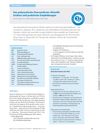 February 2020 in “Diabetologie Und Stoffwechsel”
 The document concludes that more research is needed to include new treatments in guidelines for Polycystic Ovary Syndrome (PCOS).
 April 2019 in “Advances in Cosmetic Surgery”
 The document concludes that ongoing medical therapy is crucial for preventing hair loss, and surgical options can restore hair, with future treatments for hair loss being promising.

New treatments for hair loss show promise, including plasma, stem cells, and hair-stimulating complexes, but more research is needed to fully understand them.
 August 2018 in “Journal of The American Academy of Dermatology”
 Regular follow-up visits, especially with dermatologists, can lower death rates for melanoma patients, with socioeconomic factors also affecting outcomes.