 April 2023 in “The journal of investigative dermatology/Journal of investigative dermatology”
 Intravenous methylprednisolone helped over half of alopecia areata patients regrow hair, but many relapsed.
 January 2026 in “Quality in Sport”
 Semaglutide may help some skin disorders but can also cause skin issues.
 January 2018 in “Practical diabetes”
 Leflunomide is effective for rheumatoid arthritis but has significant side effects.
 April 2018 in “Journal of Investigative Dermatology”
 Cutaneous lupus patients have higher levels of certain immune cells in their blood and skin.
64 citations
,
May 2000 in “International Journal of Dermatology” Thalidomide improved lupus symptoms but caused nerve damage in some patients.
November 2025 in “Practical Neurology” Correct diagnosis and treatment of lupus vasculitis improved the woman's severe symptoms.
4 citations
,
December 2024 in “Archives of Dermatological Research”  2 citations
,
January 2021 in “JAAD Case Reports”
2 citations
,
January 2021 in “JAAD Case Reports” Using a special laser and skin medication together successfully cleared a skin condition in a pregnant woman.
81 citations
,
June 2006 in “Experimental Neurology” Neurosteroids may help prevent seizures in epilepsy.
 2 citations
,
January 2011 in “Andrologia”
2 citations
,
January 2011 in “Andrologia” Flutamide and a new synthetic steroid affected brain and prostate chemicals and showed potential for treating androgen-related conditions and epilepsy.
 April 2023 in “Journal of Investigative Dermatology”
 The study created special nanoparticles that effectively deliver an anti-inflammatory drug to treat skin inflammation in psoriasis.
March 2025 in “Journal of Investigative Dermatology” Cannabinoids may help manage epidermolysis bullosa symptoms, but more research is needed.
August 2022 in “Theriogenology” Neurosteroids affect prolactin levels in sheep differently depending on stress and pregnancy conditions.
Dynaplast tape reduces swelling after hair transplants effectively.
 June 2022 in “C&EN global enterprise”
 The drug Olumiant is now approved to treat severe hair loss from alopecia and can also be used for some hospitalized COVID-19 patients.
2 citations
,
January 2023 in “SAGE Open Medical Case Reports” Stopping leflunomide healed the woman's skin ulcers.

Botulinum toxin-A may increase hair growth and reduce hair loss in men with baldness, and injecting near blood vessels can improve pain relief and last longer.
6 citations
,
December 2015 in “Journal of Dermatological Case Reports” Intradermal testing can better detect corticosteroid allergies than patch testing.
1 citations
,
August 2024 in “Journal of Cosmetic and Laser Therapy” Intralesional vitamin D3 is an effective and safe treatment for patchy alopecia areata with fewer side effects.
Intralesional steroids are the most effective treatment for alopecia areata.
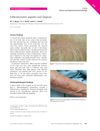 May 2014 in “Clinical and Experimental Dermatology”
 A 70-year-old woman with a rare skin condition improved after treatment with topical steroids and acitretin.
 2 citations
,
January 1990 in “Leukemia & Lymphoma”
2 citations
,
January 1990 in “Leukemia & Lymphoma” The combination of mitoxantrone, etoposide, and prednisolone is effective for treating relapsed lymphoma with manageable side effects.
March 2023 in “Archives of Physical Medicine and Rehabilitation” Testosterone plus finasteride increases bone density in men with spinal cord injuries.
June 2021 in “SWU eJournals System (Srinakharinwirot University)” Mixed coconut oil/solvent is suitable for cyproterone acetate injections, but more safety checks are needed.
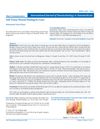 April 2018 in “International journal of nanotechnology and nanomedicine”
 Low-level laser therapy effectively reduces the size of pressure ulcers compared to placebo.
December 2025 in “Journal of lasers in medical sciences” LED therapy speeds up recovery and reduces swelling and bruising after rhinoplasty.
29 citations
,
March 2016 in “Dermatologic therapy” Platelet-rich plasma may successfully treat lichen planopillaris, as shown by one patient's symptom regression.
 November 2023 in “PubMed”
 Pentoxifylline is a safe and effective alternative to triamcinolone acetonide for treating localized alopecia areata.
Discoid Lupus Erythematosus is more common in women aged 31-40, often worsened by sunlight, and confirmed by specific lab tests.
44 citations
,
June 2017 in “The EMBO Journal” LPA3 signaling in the uterus is crucial for placental formation and fetal development.