6 citations
,
April 2012 in “Muscle & nerve” Recognizing the link between certain autoimmune disorders and neurological conditions can improve diagnosis and treatment.
 13 citations
,
January 2019 in “Skin appendage disorders”
13 citations
,
January 2019 in “Skin appendage disorders” FAPD is a possible diagnosis for hair loss in patients of color and requires multiple evaluations for accurate diagnosis.
 41 citations
,
January 2011 in “Nippon Ishinkin Gakkai Zasshi”
41 citations
,
January 2011 in “Nippon Ishinkin Gakkai Zasshi” Tinea incognito in Iran commonly affects adults and mimics other skin conditions.
 March 2020 in “Clinical research in dermatology”
 Two unusual cases showed that Lichen Planopilaris can look like other skin conditions and need early treatment to protect hair.
 14 citations
,
December 2020 in “Journal of The American Academy of Dermatology”
14 citations
,
December 2020 in “Journal of The American Academy of Dermatology” More people, especially Hispanic/Latinx, in certain NYC communities experienced temporary hair loss during the COVID-19 pandemic.
 November 2022 in “Journal of Investigative Dermatology”
 Scientists found a new type of skin cell that could help with skin repair and these cells work better with a certain protein.
 September 2018 in “Journal of the American Academy of Dermatology”
 Elderly patients with CCCA were all African American with low vitamin D, but no iron or zinc deficiencies, and no hormonal imbalances compared to younger patients.
 March 2025 in “Journal of Clinical Medicine”
 Frontal fibrosing alopecia in men is often misdiagnosed and needs better diagnostic criteria and treatment strategies.
 June 2023 in “British Journal of Dermatology”
 A person with Werner syndrome was initially thought to just have female pattern hair loss.
 25 citations
,
October 1996 in “Dermatologic Clinics”
25 citations
,
October 1996 in “Dermatologic Clinics” Loose Anagen Syndrome causes easy-to-pull, thin hair, mainly in young girls, and improves with age.
15 citations
,
December 2000 in “Der Hautarzt” Idiopathic chronic telogen effluvium in women causes sudden hair loss without a known cause, often linked to emotional distress.
January 2022 in “Clinical Cases in Dermatology” A 12-year-old boy has a rare, harmless hair loss on his chin with no need for treatment.
 8 citations
,
December 2017 in “Journal of The American Academy of Dermatology”
8 citations
,
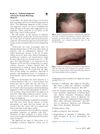
December 2017 in “Journal of The American Academy of Dermatology” The authors updated the criteria for diagnosing frontal fibrosing alopecia, making it easier to diagnose without a biopsy.
 101 citations
,
May 2014 in “PLOS ONE”
101 citations
,
May 2014 in “PLOS ONE” Women with PCOS have a higher chance of experiencing depression, anxiety, and sleep disorders.

Innate lymphoid cells type 1 may contribute to alopecia areata by damaging hair follicles.
 February 2020 in “Definitions”
 Telogen Effluvium is a condition where more hair than usual falls out after stress or fever.
 29 citations
,
September 1989 in “Journal of The American Academy of Dermatology”
29 citations
,
September 1989 in “Journal of The American Academy of Dermatology” Abnormal scalp whorls can indicate brain development issues but may also be seen in neurologically normal people.
32 citations
,
July 2001 in “Journal of the American Academy of Dermatology” SLHA can be hard to diagnose and needs teamwork between specialists.
 November 2022 in “The journal of investigative dermatology/Journal of investigative dermatology”
 Researchers made a detailed map of gene activity for different parts of human hair follicles to help create targeted hair disorder treatments.
The scant hair in snthr-1Bao mice is likely caused by a deletion affecting the Plcd1 gene.
 October 2024 in “Journal of the Endocrine Society”
 Acute illnesses like sepsis can disrupt thyroid hormone balance without central hypothyroidism.
412 citations
,
January 1998 in “Science” A mutation in the human hairless gene causes alopecia universalis.
 April 2023 in “The journal of investigative dermatology/Journal of investigative dermatology”
 Damaged hair follicle stem cells may leave the skin to help maintain youthfulness.
 January 2006 in “Journal of Rural Medicine”
 Trichotillomania is more common than previously thought, with increasing diagnosed cases.
July 2025 in “Frontiers in Medicine” Mutations in the LIPH gene cause woolly hair in a child.
 October 2023 in “Psychiatry research. Case reports”
 A new HRAS gene variant may cause a range of symptoms including intellectual disability and psychiatric issues.
4 citations
,
April 2018 in “The journal of pediatrics/The Journal of pediatrics” A 6-year-old girl's inability to grow her hair long was due to Loose Anagen Hair Syndrome, which causes hair to shed easily and may improve with age.
 28 citations
,
October 2004 in “Differentiation”
28 citations
,
October 2004 in “Differentiation” A gene deletion causes the "hairless" trait in Iffa Credo rats.
2 citations
,
November 2023 in “Indian Dermatology Online Journal” A 4-year-old girl with a rare lupus condition was successfully treated with oral corticosteroids, leading to full recovery and hair regrowth.
23 citations
,
January 2016 in “Brazilian Journal of Psychiatry” First-episode psychosis patients have higher hair cortisol levels, indicating early stress response issues.