October 2010 in “eCommons (Cornell University)” Cutaneous epitheliotropic lymphoma in dogs is often misdiagnosed but can be treated with chemotherapy and alternative therapies.
July 2021 in “Zenodo (CERN European Organization for Nuclear Research)” Mealworm farming is a sustainable, low-cost way to produce high-quality protein-rich feed.
November 2025 in “Agriculture” Machine learning can effectively identify genes to improve wool quality in sheep.
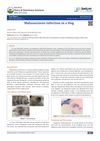 July 2018 in “Journal of Dairy & Veterinary Sciences”
 The dog recovered from a skin infection after treatment with medication.
 December 2025 in “Brazilian Journal of Veterinary Pathology”
 Two sibling goat kids were born with goiter and hair loss.
 January 2025 in “International Journal of Veterinary Sciences and Animal Husbandry”
 Sarolaner effectively treats generalized demodicosis in dogs without side effects.
 January 1980 in “Journal of the Japan Veterinary Medical Association”
 Iodine deficiency in sows likely caused hair loss in newborn piglets.
 January 2024 in “Editora In Vivo eBooks”
 Cryptosporidiosis in dogs can spread to humans, so prevention is crucial.
12 citations
,
August 2004 in “Veterinary Dermatology” Fipronil effectively treats Lynxacarus radovskyi in outdoor cats.
35 citations
,
July 1977 in “PubMed” SLE affects lungs and kidneys similarly due to immune complexes.
3 citations
,
July 2024 in “Animals” Tail tip lesions in dairy cows may be caused by reduced blood flow to the skin.
 January 2021 in “Journal of Entomology and Zoology Studies”
 The piglets fully recovered from psoroptic mange after treatment.
 13 citations
,
November 2005 in “Veterinary Dermatology”
13 citations
,
November 2005 in “Veterinary Dermatology” A dog's skin calcification condition resolved without treatment after a bacterial infection.
 December 2023 in “Journal of comparative pathology”
 A dog had a rare skin cyst, known as a dilated pore of Winer, surgically removed from its neck.
October 2013 in “The American Journal of Gastroenterology” Colonic lipomas can cause complications like intussusception, requiring surgery if symptoms occur.
 September 2024 in “Seven Editora eBooks”
 Dermatophylosis sporadically affects adult sheep in Sertão da Paraíba, causing alopecic and crusty skin lesions.
1 citations
,
February 2005 in “The Journal of Laryngology & Otology” A fungal infection in the neck caused severe breathing issues, treated successfully with antibiotics and antifungal medication.
 January 2021 in “Plant Archives/Plant archives”
 Dogs with ear infections have a higher rate of yeast infection, especially German Shepherds, with seasonal variations observed.
21 citations
,
November 1980 in “PubMed” A new mite species was found in California sea lions, causing skin issues.
 20 citations
,
October 2016 in “Veterinary dermatology”
20 citations
,
October 2016 in “Veterinary dermatology” Dogs with generalized discoid lupus erythematosus have similar symptoms to humans and need continuous treatment.
 4 citations
,
January 1987 in “Journal of The American Academy of Dermatology”
4 citations
,
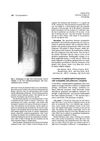
January 1987 in “Journal of The American Academy of Dermatology” A man with both skin lesions and lung cancer improved quickly with chemotherapy, suggesting the skin condition might be a reaction to immune system injury.
June 2020 in “Comparative medicine” NSG mice had the most mites, and genetic factors affect immune response and susceptibility.
58 citations
,
March 2019 in “Frontiers in Pharmacology” Wedelolactone may help treat lung fibrosis by reducing inflammation and lung damage.
1 citations
,
September 2020 in “Journal of dermatology” Researchers found a new mutation in the LIPH gene of a woman with a rare hair condition.

Liver abscesses don't affect stress in beef feedlot steers.
 April 2024 in “Iranian journal of veterinary medicine”
 43.1% of rabbits in Mosul City had mange, with Sarcoptes scabiei var. cuniculi being the most common.
24 citations
,
September 2007 in “Veterinary Dermatology” A goat had skin issues caused by Malassezia slooffiae, marking the first known case in goats.
14 citations
,
August 2004 in “Veterinary Dermatology” The horse had a rare type of hair loss caused by immune cells attacking hair follicles.
8 citations
,
May 2005 in “Australian veterinary journal” A Tibetan Terrier had recurring seasonal hair loss for three years.
 January 2025 in “International Journal of Veterinary Sciences and Animal Husbandry”
 The camel fully recovered from sarcoptic mange after 5 weeks of treatment.