 36 citations
,
October 2014 in “Langmuir”
36 citations
,
October 2014 in “Langmuir” Bleaching hair removes its protective top layer and exposes more hydrophilic groups, changing its chemical surface and affecting how it interacts with products.
July 2022 in “Journal of Investigative Dermatology” Scalp clarifying shampoo can help reduce hair loss and improve hair volume.
 9 citations
,
June 1947 in “Analytical Chemistry”
9 citations
,
June 1947 in “Analytical Chemistry” Cold waving solutions quickly reduce cystine to cysteine in hair.
8 citations
,
February 2022 in “International Journal of Dermatology” Lipids are crucial for healthy hair, protecting it from damage and breakage.
30 citations
,
January 2009 in “The scientific world journal/TheScientificWorldjournal” Hair is hard to dissolve because of its complex proteins, but certain solvents that break specific bonds and hydrate can do it.
December 2025 in “Biopolymers” Heat worsens damage in chemically treated hair, especially bleached and straightened hair.
 September 2025 in “Sahel Journal of Life Sciences FUDMA”
 Chemical hair straighteners can severely damage hair and scalp with repeated use.
Thermal straightening can damage ethnic hair and may pose health risks.
 2 citations
,
March 2005 in “International Journal of Cosmetic Science”
2 citations
,
March 2005 in “International Journal of Cosmetic Science” Human hair structure varies by ethnicity, and certain treatments can improve hair condition and appearance.
91 citations
,
July 1997 in “Dermatologic Clinics” Laser hair removal is an advanced and effective method for removing unwanted hair.
 3 citations
,
January 2004 in “Sen i Gakkaishi”
3 citations
,
January 2004 in “Sen i Gakkaishi” DTDG in hair treatments reduces damage and preserves hair structure.
 August 2021 in “Han'gug miyong haghoeji/Journal of the Korean society of cosmetology”
 Using natural polyphenol cross-linkers like tannic acid and green tea extract in perm treatments improves curling and protects hair.
 19 citations
,
July 2006 in “Lasers in medical science”
19 citations
,
July 2006 in “Lasers in medical science” Laser hair removal is safe and effective for fair-skinned people with dark hair, and using eflornithine with laser treatments can improve results.
 September 2018 in “University of the Arts London Research Online (University of the Arts London)”
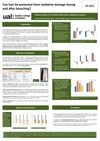
 L-arginine, hydrolysed keratin, and cystine-silanol copolymer can help protect hair from damage during and after bleaching.
October 2014 in “University of the Arts London Research Online (University of the Arts London)” Protein-derived ingredients can help strengthen bleached hair.
Different treatments change the strength and flexibility of human hair.
January 2025 in “Dermatological Reviews” Cyperus rotundus is a promising natural hair removal option with minimal side effects.
 4 citations
,
April 1955 in “Textile Research Journal”
4 citations
,
April 1955 in “Textile Research Journal” The effectiveness of reducing agents on hair fibers depends on their electrode potentials.
Using enzymes to link proteins makes hair repair treatments more effective and long-lasting.
1 citations
,
May 2013 in “PubMed” Glycylglycine makes hair softer by improving alignment and changing hair's internal properties.
 July 2026 in “Zenodo (CERN European Organization for Nuclear Research)”
 The herbal gel improves hair and skin health, is non-irritating, and affordable.
 July 2026 in “Zenodo (CERN European Organization for Nuclear Research)”
 The herbal gel improves hair and skin health, is non-irritating, and affordable.
11 citations
,
January 2000 in “Journal of cosmetic science” Hydrolyzed wheat proteins penetrate all hair types effectively.
June 2021 in “Current developments in nutrition” The LustrivaTM BH-002 supplement and hair serum improved women's hair, skin, and nail health and appearance.
8 citations
,
May 2004 in “Facial plastic surgery clinics of North America” Laser hair removal is now more effective, but the best treatment schedule is still uncertain.
 73 citations
,
April 1999 in “Dermatologic Clinics”
73 citations
,
April 1999 in “Dermatologic Clinics” Lasers and light sources can effectively remove hair, work best on fair skin with dark hair, and usually need multiple treatments.
4 citations
,
May 2014 in “Pharmaceutical Biology” Glycyrrhizic acid from sweet licorice can effectively remove hair without skin irritation.
1 citations
,
January 2002 in “Springer eBooks” October 2024 in “Cosmetics” ATG effectively reduces hair frizz without damaging hair strength.