31 citations
,
October 2002 in “Journal of Investigative Dermatology” IL-10 may worsen alopecia areata instead of helping it.
6 citations
,
November 2018 in “American journal of transplantation” UV light helped human hair transplants survive in mice without broad immunosuppression.
1 citations
,
August 1983 in “PubMed” CVP therapy showed moderate success in treating advanced non-Hodgkin's lymphoma, but more intensive treatment is needed for better outcomes.
January 2018 in “Journal of Investigative Dermatology” Blocking certain pathways with kinase inhibitors may help treat cutaneous lupus erythematosus.
 September 2016 in “Journal of Dermatological Science”
 Plasmacytoid dendritic cells, which overproduce IFN-α, may play a crucial role in starting alopecia areata, an autoimmune disease causing hair loss.
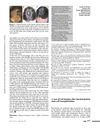 May 2018 in “European Journal of Dermatology”
 Adjusting the medication tacrolimus resolved a boy's red nail beds after a stem cell transplant.
SLE patients experience hair loss similar to telogen effluvium, with hair damage and immune activity at hair follicles.
31 citations
,
July 1975 in “PubMed” Intensive immunosuppression can reduce relapse rates in multiple sclerosis patients, despite some side effects.
 April 2018 in “Journal of Investigative Dermatology”
 Lymphocytes, a type of immune cell, are crucial for wound healing as they help remodel damaged areas and reduce inflammation.
Excluding alopecia and mucous membrane components from the CLASI-A score reduces its effectiveness in capturing important disease activity.