
IL6 is linked to higher risk of heart disease in people with a certain mouth condition.
 13 citations
,
March 2011 in “British Journal of Dermatology”
13 citations
,
March 2011 in “British Journal of Dermatology” A woman with scalp lymphoma and hair loss improved with radiotherapy, highlighting the need for biopsies in similar cases.
 2 citations
,
December 2021 in “Journal of Veterinary Medical Science”
2 citations
,
December 2021 in “Journal of Veterinary Medical Science” Lokivetmab reduced itching in a dog with skin lymphoma.
 September 2017 in “Journal of Investigative Dermatology Symposium Proceedings”
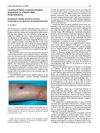
 A 73-year-old woman with Hypopigmented Mycosis Fungoides, a rare skin lymphoma, experienced disease progression despite treatment, emphasizing the need for ongoing monitoring.
 3 citations
,
March 2012 in “Actas Dermo-Sifiliográficas”
3 citations
,
March 2012 in “Actas Dermo-Sifiliográficas” An elderly man with skin amyloidosis and abnormal blood proteins was monitored without finding widespread disease after 18 months.
55 citations
,
May 2007 in “Australasian journal of dermatology” Two boys developed a viral skin infection during chemotherapy, which resolved with improved immune function.
 31 citations
,
June 2011 in “Journal of the neurological sciences”
31 citations
,
June 2011 in “Journal of the neurological sciences” Removing the thymoma improved the man's autoimmune conditions.
September 2016 in “Journal of Dermatological Science” Hair follicles produce IL-7, which is essential for certain skin lymphoma cells to survive.
 November 2022 in “Journal of the Endocrine Society”
 Immunotherapy for cancer caused a patient to develop a condition affecting hormone production, requiring ongoing hormone replacement therapy.
5 citations
,
August 2001 in “International Journal of Dermatology” A 20-year-old had hair loss and skin issues from lichen planopilaris starting at age 10.
 14 citations
,
January 2016 in “Experimental and molecular pathology”
14 citations
,
January 2016 in “Experimental and molecular pathology” Giving immune serum from vaccinated mice to mice without T cells prevents infection and tumor growth.
June 2026 in “British Journal of Dermatology” Hairline-lowering surgery may trigger lichen planopilaris in some people.
November 2022 in “Journal of Investigative Dermatology” ILC1-like cells can cause alopecia areata by themselves.
23 citations
,
July 2023 in “Proceedings of the National Academy of Sciences” CD8+ T cells drive alopecia areata, while regulatory T cells are protective.
 October 2025 in “Italian Journal of Dermatology and Venereology”
 Lichen planopilaris is rare, mostly affects older women, and is often linked to autoimmune diseases like lupus.
 April 2018 in “Rheumatology”
 Alopecia is common in lupus patients, causing significant anxiety and is linked to the disease itself.
 April 2018 in “Journal of Investigative Dermatology”
 Cutaneous lupus patients have higher levels of certain immune cells in their blood and skin.

Azathioprine can cause severe hair loss and low white blood cell count in lupus patients.
 4 citations
,
July 2008 in “British journal of dermatology/British journal of dermatology, Supplement”
4 citations
,
July 2008 in “British journal of dermatology/British journal of dermatology, Supplement” Poor response to topical immunotherapy in alopecia areata patients is linked to impaired cell responses.
1 citations
,
January 2015 in “Journal of Arthritis” Lupus pneumonitis can mimic tuberculosis and should be considered in diagnoses.

Belimumab may cause hair loss in lupus patients.
 155 citations
,
June 2009 in “International Journal of Dermatology”
155 citations
,
June 2009 in “International Journal of Dermatology” Lichen planus is a skin condition that can resolve on its own, is linked to hepatitis C, and increases the risk of skin cancer.
April 2019 in “Journal of Investigative Dermatology” Blocking LFA-1 prevents hair loss in mice.
 January 2025 in “International Journal of Dermatology Research”
 Higher MPV and CRP levels may indicate more severe alopecia areata.
 1 citations
,
April 2018 in “Rheumatology”
1 citations
,
April 2018 in “Rheumatology” Many lupus patients experience hair loss, which is linked to anxiety and other skin issues.
 3 citations
,
November 2020 in “Cleveland Clinic Journal of Medicine”
3 citations
,
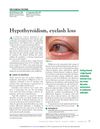
November 2020 in “Cleveland Clinic Journal of Medicine” Eyelash loss can be a sign of thyroid problems.
September 2019 in “Journal of Investigative Dermatology” Innate lymphoid cells type 1 may contribute to alopecia areata.
 7 citations
,
August 2020 in “Scientifica”
7 citations
,
August 2020 in “Scientifica” Most HIV-positive patients had skin problems, and conditions like oral thrush and boils were linked to weaker immune systems.
12 citations
,
April 2017 in “Experimental and Therapeutic Medicine” Patients with severe active alopecia areata have lower CD200 expression and an imbalance in their immune system.