 17 citations
,
August 2018 in “Journal der Deutschen Dermatologischen Gesellschaft”
17 citations
,
August 2018 in “Journal der Deutschen Dermatologischen Gesellschaft” Researchers found that dissecting folliculitis of the scalp is linked to obesity, severity increases with duration and number of nodules, and early treatment is important to prevent scarring.
September 2025 in “Clinical and Experimental Rheumatology”  June 2003 in “Obstetrical & Gynecological Survey”
 Examining more lymph nodes can improve survival rates in breast cancer patients without lymph node involvement.
March 2022 in “Journal of Investigative Dermatology” Discoid Lupus Erythematosus causes scalp plaques that can lead to hair loss, and antimalarial drugs are effective treatments.
 2 citations
,
December 2019 in “Leprosy Review”
2 citations
,
December 2019 in “Leprosy Review” A woman's hair loss and skin discoloration were found to be caused by a rare case of leprosy on the scalp, not alopecia-vitiligo overlap.
 11 citations
,
September 2022 in “The Journal of Rheumatology”
11 citations
,
September 2022 in “The Journal of Rheumatology” Skin problems are common in lupus patients and should be treated early to prevent worsening.
5 citations
,
August 2000 in “Archives of Pathology & Laboratory Medicine” The nodule on the woman's back was a benign hair follicle tumor, not cancer, but needed removal.

Patients with lichen planus should be tested for hepatitis C.
 May 2025 in “The Journal of Rheumatology”
 Catatonia can be a rare sign of lupus, needing careful diagnosis and treatment.
39 citations
,
May 2019 in “Journal of the American Academy of Dermatology” Hair loss in lupus patients indicates higher disease activity.
 20 citations
,
March 2017 in “Journal of cutaneous pathology”
20 citations
,
March 2017 in “Journal of cutaneous pathology” Shrinking of oil glands in the skin is a key sign of hair loss linked to TNF inhibitor drugs and may improve if the treatment is stopped.
15 citations
,
January 2018 in “Journal of Cutaneous Medicine and Surgery” It's important to understand the differences between FMF and PFM in children.
February 2025 in “Archives of Dermatological Research” Fibrosing alopecia can be diagnosed without typical signs of lichen planopilaris.
 September 2024 in “International Journal of Innovative Science and Research Technology (IJISRT)”
 Early diagnosis and aggressive treatment of lupus nephritis can prevent kidney damage and improve outcomes.
 June 2023 in “Journal of cosmetic dermatology”
 A woman developed skin lesions after PRP injections, possibly linked to COVID-19 infection and vaccination.
 26 citations
,
March 2015 in “American journal of clinical dermatology”
26 citations
,
March 2015 in “American journal of clinical dermatology” Topical clobetasol is recommended over mycophenolate mofetil for treating Lichen Planopilaris due to better safety and patient satisfaction.
 149 citations
,
July 2002 in “Dermatologic clinics”
149 citations
,
July 2002 in “Dermatologic clinics” Patients with certain skin symptoms and high ANA titers should be monitored for potential systemic lupus.
 July 2024 in “Clinical Case Reports”
 ANA-negative lupus nephritis can be diagnosed and treated effectively with a comprehensive approach.
Pilomatricoma is a rare, harmless skin lump that needs accurate diagnosis and timely treatment.
 January 2017 in “Postepy Dermatologii I Alergologii”
 The CRH/CRH-R1 system might be involved in causing lichen planus.
September 2019 in “Journal of Investigative Dermatology” IL-17 and certain immune cells are linked to more severe alopecia areata.
August 2021 in “BMJ Case Reports” A woman with lupus had blood cell destruction, treated successfully with medication.
 1 citations
,
May 2020 in “Journal of The American Academy of Dermatology”
1 citations
,
May 2020 in “Journal of The American Academy of Dermatology” The authors agree more research with proper control groups is needed to understand hair loss.
31 citations
,
July 1975 in “PubMed” Intensive immunosuppression can reduce relapse rates in multiple sclerosis patients, despite some side effects.
 October 2024 in “Journal of Cutaneous Immunology and Allergy”
 Steroid injections improved symptoms and hair regrowth in a woman with a reaction to permanent makeup.
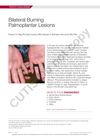
The woman was diagnosed with lichen sclerosus, a rare skin condition, after initial misdiagnosis and ineffective treatments.
August 2026 in “Journal of Cosmetic Dermatology” PRP is a good alternative to ILTA for treating mild patch-type alopecia areata, with similar effectiveness and fewer side effects.
1 citations
,
April 2020 in “Indian Journal of Rheumatology” 42% of SLE patients had thyroid issues, mostly hypothyroidism.
 November 2025 in “International Society of Hair Restoration Surgery”
 Immediate post-operative folliculitis is a reaction to surgery, not an infection.
67 citations
,
January 1992 in “Journal of Investigative Dermatology”