
Clinical signs don't match inflammation levels in lichen planopilaris and frontal fibrosing alopecia.
 6 citations
,
July 2009 in “Veterinary dermatology”
6 citations
,
July 2009 in “Veterinary dermatology” Vesiculobullous lesions should be considered part of canine cutaneous epitheliotropic T-cell lymphoma.
36 citations
,
February 2004 in “Veterinary Dermatology” Lymphangiosarcoma was confirmed in cats with specific skin symptoms using a lymphatic marker.
1 citations
,
July 2025 in “Journal of Investigative Dermatology”  1 citations
,
December 2018 in “Journal of cutaneous pathology”
1 citations
,
December 2018 in “Journal of cutaneous pathology” Some skin growths with mucin can form hair follicles and resemble skin cancer, but a special stain can help tell them apart.
 May 2025 in “The Journal of Rheumatology”
 Anifrolumab may help improve symptoms in patients with overlapping autoimmune diseases.
 April 2018 in “Journal of Investigative Dermatology”
 Cutaneous lupus patients have higher levels of certain immune cells in their blood and skin.
 20 citations
,
May 2016 in “Journal of Cutaneous Pathology”
20 citations
,
May 2016 in “Journal of Cutaneous Pathology” Using CD123 to detect certain immune cells helps diagnose a type of hair loss condition.
1 citations
,
October 2013 in “The American Journal of Gastroenterology” Infliximab can trigger lupus-like symptoms in Crohn's disease patients.
10 citations
,
April 2004 in “Journal of the American Academy of Dermatology” Localized hair growth and fat loss may share a common cause in lupus panniculitis.
2 citations
,
December 2011 in “[Thesis]. Manchester, UK: The University of Manchester; 2011.” Immune system failure in hair follicles causes lichen planopilaris, leading to hair loss.
September 2016 in “Journal of Dermatological Science” Hair follicles produce IL-7, which is essential for certain skin lymphoma cells to survive.
May 2017 in “The journal of investigative dermatology/Journal of investigative dermatology” Topical immunotherapy for alopecia areata may work by creating immune cell clusters in the skin.
June 2023 in “F1000Research” A young woman with lupus developed tuberculosis due to weakened immunity from her medication, showing the need for better TB screening in such patients.
 4 citations
,
April 2016 in “Journal of The American Academy of Dermatology”
4 citations
,
April 2016 in “Journal of The American Academy of Dermatology” A patient with advanced kidney cancer and no hepatitis C developed skin inflammation due to a drug called interferon alpha-2a.
5 citations
,
August 1998 in “PubMed” Intravenous cyclophosphamide effectively treated steroid-resistant lupus cystitis and peritonitis.
January 2025 in “Dermatology Research and Practice” Higher activity in lichen planopilaris is linked to certain immune and tissue genes.
 8 citations
,
September 2016 in “The American Journal of Dermatopathology”
8 citations
,
September 2016 in “The American Journal of Dermatopathology” Enlarged sweat gland ducts may indicate scarring hair loss.

A 16-year-old girl with lupus symptoms improved with treatment despite negative ANA tests.
 27 citations
,
September 1992 in “The Lancet”
27 citations
,
September 1992 in “The Lancet” ICL is a condition with low CD4+ T cells like AIDS but not caused by HIV, and normal CD4+ T cell counts may vary between men and women.
 16 citations
,
February 2018 in “Journal of The American Academy of Dermatology”
16 citations
,
February 2018 in “Journal of The American Academy of Dermatology” Scalp biopsies from dermatomyositis patients show chronic hair loss without scarring, with mucin and blood vessel changes being very common.
 December 2023 in “Curēus”
 A woman with lupus had rare severe symptoms but improved with treatment.
ILC1-like cells can independently cause alopecia areata by affecting hair follicles.
1 citations
,
January 2015 in “Journal of Arthritis” Lupus pneumonitis can mimic tuberculosis and should be considered in diagnoses.
 June 2022 in “bioRxiv (Cold Spring Harbor Laboratory)”
 ILC1-like cells can cause alopecia areata by attacking hair follicles.
August 2024 in “Case Reports in Ophthalmology” Older patients with new retinal lesions may have cancer, and local radiation might not stop it from spreading.
181 citations
,
December 2017 in “Trends in immunology” Intestinal intraepithelial lymphocytes are crucial for gut immunity and maintaining the mucosal barrier.
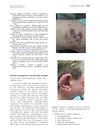
A 72-year-old man was diagnosed with a rare skin form of Rosai-Dorfman disease after years of misdiagnosis.
September 2019 in “Journal of Investigative Dermatology” Innate lymphoid cells type 1 may contribute to alopecia areata.
 April 2023 in “Journal of Investigative Dermatology”
 PTEN was identified as a specific marker for the skin disease cutaneous lupus erythematosus, and it helps increase the expression of harmful type I interferons.