 August 2013 in “Pharmacy Today”
 Viviscal may modestly improve hair loss in women without adverse effects.
 February 1938 in “Journal of the American Medical Association”
 Washing can prevent cancer from lubricating oils, extreme body temperatures need more study, Sulfomid is not recognized, no reliable diphtheria carrier treatment except surgery, eyelid injuries should heal before repair, heterophile antibody test is specific for mononucleosis, chlorine inhalations for colds are outdated, and wheat germ is safe.
1 citations
,
February 1991 in “Journal of Biological Chemistry” 23 citations
,
August 1983 in “PubMed” Clq deficiency is linked to systemic lupus erythematosus symptoms.
January 2023 in “Figshare” Triple therapy with clobetasol, hydroxychloroquine, and N-acetylcysteine is recommended for better outcomes in treating lichen planopilaris.
 12 citations
,
August 1984 in “Genetics Research”
12 citations
,
August 1984 in “Genetics Research” The N gene affects the protein makeup of mouse hair.
July 2025 in “Journal of Investigative Dermatology” August 2023 in “Fermentation” Scientists can use engineered microbes to make L-aspartate and related chemicals, but there's still room to improve their efficiency.
20 citations
,
December 2012 in “Journal of molecular structure” The study found that thioglycolic acid breaks down hair bonds more consistently than l-cysteine, which is less damaging to hair.
54 citations
,
May 2001 in “Journal of Investigative Dermatology” Excessive putrescine causes hair loss in transgenic mice by disrupting hair follicle development.
27 citations
,
November 2007 in “Genomics” Mutations in specific keratin genes cause improper hair structure in mice due to faulty keratin protein assembly.
21 citations
,
March 2018 in “American Journal Of Pathology” Mutations in NIPAL4 cause skin issues by disrupting lipid layers, but some improvement is seen with topical treatment.

Deucravacitinib improves symptoms and reduces inflammation in Lichen Planopilaris.
305 citations
,
March 2008 in “AJP Endocrinology and Metabolism” SSAT is a key enzyme affecting cell growth and metabolism, with potential but risky use in disease treatment.
12 citations
,
July 2004 in “Molecular genetics and genomics” A new mouse mutation causes skin and hair defects due to a gene change.
5 citations
,
February 2025 in “Cell Reports” Skin acetyl-CoA synthesis is crucial for overall lipid balance.
27 citations
,
June 2020 in “Genes” Lykoi cats' unique sparse hair is linked to specific genetic variants in the Hairless gene.
 July 2024 in “British journal of dermatology/British journal of dermatology, Supplement”
 A variant in the KRT31 gene causes a rare hereditary hair disorder called monilethrix.
 June 2025 in “Deleted Journal”
 Selamectin effectively cured the cats' infestation.
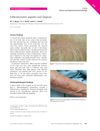 May 2014 in “Clinical and Experimental Dermatology”
 A 70-year-old woman with a rare skin condition improved after treatment with topical steroids and acitretin.
21 citations
,
January 2006 in “Hormone Research in Paediatrics” A mutation in the VDR gene affects hair cycling without needing ligand binding.
42 citations
,
February 1996 in “Journal of Investigative Dermatology” Polyamines, especially spermidine, are essential for hair growth.
 7 citations
,
June 2021 in “Amino acids”
7 citations
,
June 2021 in “Amino acids” Human hair protein modifications could potentially indicate heart disease risk.
1 citations
,
February 2013 in “InTech eBooks” LEKTI is crucial for skin barrier and immune function, affecting conditions like Netherton syndrome and atopic dermatitis.
2 citations
,
April 2025 in “Plants” Lambertianic acid helps prevent muscle wasting.
194 citations
,
November 2006 in “Science” A genetic mutation in the LIPH gene causes hair loss and growth defects.
January 2005 in “Life sciences” Targeting LPA could help treat skin disorders.
 7 citations
,
March 2012 in “Journal of Investigative Dermatology”
7 citations
,
March 2012 in “Journal of Investigative Dermatology” Some thymic peptides can increase human hair growth, while others may inhibit it.
The research found that people's hair proteins vary, especially by ethnicity and body part, which could help identify individuals in forensic science.
The research found that people's hair proteins vary by individual and body part, with some differences between ethnic groups, which could help in forensics.