 71 citations
,
January 2014 in “Journal of Proteome Research”
71 citations
,
January 2014 in “Journal of Proteome Research” Women with PCOS have different levels of certain fats and proteins in their blood, which could help diagnose the condition.
8 citations
,
June 2024 in “Pharmaceutics” PEA-ENL improves skin delivery and reduces inflammation without side effects.
 68 citations
,
July 2011 in “Journal of Biochemistry/The journal of biochemistry”
68 citations
,
July 2011 in “Journal of Biochemistry/The journal of biochemistry” New LPA receptors (LPA4, LPA5, LPA6) have diverse roles in the body.
January 2005 in “Life sciences” Targeting LPA could help treat skin disorders.
February 2025 in “Universidade Nova de Lisboa's Repository (Universidade Nova de Lisboa)”  24 citations
,
December 2018 in “Life sciences”
24 citations
,
December 2018 in “Life sciences” Lysophosphatidic acid is important for skin health and disease, and could be a target for new skin disorder treatments.
52 citations
,
May 2011 in “Journal of Neuroendocrinology” PEA boosts allopregnanolone production and reduces oxidative stress in brain cells.
1 citations
,
January 2023 in “Elsevier eBooks” Phospholipases help maintain and restore skin and hair health, potentially leading to new treatments for related conditions.
158 citations
,
June 2014 in “Journal of Lipid Research” Lysophospholipids can act as anti-inflammatory agents through specific receptors, but more research is needed.
13 citations
,
April 1964 in “PubMed” Phosphatide distribution in mouse skin remains consistent in both normal and cancerous growths.
 1 citations
,
April 2018 in “Journal of Investigative Dermatology”
1 citations
,
April 2018 in “Journal of Investigative Dermatology” Oleoylethanolamide (OEA) safely boosts fat production in skin cells and may help treat dry skin and reduce inflammation.
 13 citations
,
January 2019 in “Colloids and Surfaces B: Biointerfaces”
13 citations
,
January 2019 in “Colloids and Surfaces B: Biointerfaces” The new drug delivery systems made with surfactants and block polymers are stable and not toxic.
 4 citations
,
October 2022 in “Frontiers in public health”
4 citations
,
October 2022 in “Frontiers in public health” Cadmium chloride pollution can cause skin disorders, speed up aging, and prevent hair growth.
 1 citations
,
December 2022 in “Parasitologists United Journal”
1 citations
,
December 2022 in “Parasitologists United Journal” House fly larvae substances improve wound healing and skin regeneration, especially in immunosuppressed mice.

Blocking autophagy worsens lipid buildup and dysfunction in brain cells after injury.
49 citations
,
November 2021 in “Annual review of pathology” Lysophospholipids like LPA and S1P are important for hair growth, immune responses, and vascular development, and could be targeted for treating diseases.
25 citations
,
May 2016 in “Molecular biology of the cell” A protein in plants needs to bind two lipids to help with root hair growth, and this process is similar across different plant species.
 23 citations
,
August 2018 in “Biochimica and biophysica acta. Molecular and cell biology of lipids”
23 citations
,
August 2018 in “Biochimica and biophysica acta. Molecular and cell biology of lipids” Different sPLA2 enzymes affect immunity, skin and hair health, reproduction, and may be potential targets for therapy.
20 citations
,
January 2015 in “Biochimica and biophysica acta. Molecular and cell biology of lipids” Lysophosphatidic acid affects sensory neurons and may cause neuropathic pain and itch.
29 citations
,
December 2021 in “Pharmaceutics” Phospholipid soft vesicles improve topical drug delivery for better skin condition treatments.
 31 citations
,
October 2010 in “Progress in lipid research”
31 citations
,
October 2010 in “Progress in lipid research” LPA3 is crucial for embryo implantation and links LPA to prostaglandin signaling.
61 citations
,
September 2011 in “Pain” PEA reduces pain by increasing neurosteroid synthesis in the spinal cord.
12 citations
,
July 2017 in “International Journal of Cosmetic Science” N‐AOHPA is a promising alternative to traditional surfactants for better hair conditioning.
 4 citations
,
January 1994 in “Yakugaku zasshi”
4 citations
,
January 1994 in “Yakugaku zasshi” EPC-K is stable except at very acidic pH or when exposed to sunlight, and it can decompose in low ethanol concentrations.
16 citations
,
March 2023 in “Gels” Paeonol-loaded gels may help reduce inflammation and skin damage in atopic dermatitis.
 202 citations
,
June 2005 in “Aaps Pharmscitech”
202 citations
,
June 2005 in “Aaps Pharmscitech” Lecithin organogels could be good for applying drugs to the skin because they are stable, safe, and can improve drug absorption.
105 citations
,
April 2017 in “International Journal of Nanomedicine” Ethosomes are effective for delivering drugs through the skin by penetrating deeply and targeting hair follicles.
 2 citations
,
September 1980 in “Experientia”
2 citations
,
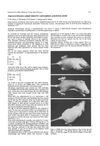
September 1980 in “Experientia” Polyethylene alanine caused hair loss in young lab animals but not in adults, with hair regrowth occurring within 20 days.
253 citations
,
April 2009 in “Journal of Biological Chemistry” p2y5, now called LPA6, is a receptor important for human hair growth.
1 citations
,
January 2025 in “Proceedings of the National Academy of Sciences” LPAR6 has a unique way of binding and activating, which helps in designing treatments for hair loss and cancer.