 5 citations
,
October 2021 in “PubMed”
5 citations
,
October 2021 in “PubMed” Exosomes from human fat stem cells can potentially enhance hair growth and survival, providing a new possible treatment for hair loss.
January 2016 in “Zurich Open Repository and Archive (University of Zurich)” Dietary L-serine supplementation can reduce symptoms of HSAN1 by lowering harmful 1-deoxySL levels.
 25 citations
,
October 2018 in “Journal of The American Academy of Dermatology”
25 citations
,
October 2018 in “Journal of The American Academy of Dermatology” Erosive pustular dermatosis of the scalp is a type of skin inflammation often confused with other conditions, requiring continuous treatment.

Fetal environments contain various chemicals that may disrupt hormones.
1 citations
,
October 2010 in “Proceedings of SPIE, the International Society for Optical Engineering/Proceedings of SPIE” The skin fully recovered after using the optical clearing agent, showing no long-term harm.
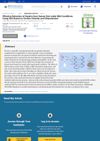 December 2023 in “ACS Sustainable Chemistry & Engineering”
 Keratin can be successfully taken from human hair using a mix of choline chloride and ethanolamine.
 March 2024 in “Journal of Pharmaceutical and Sciences”
 Zaleya pentandra extracts, especially acetone, may be useful for new medicines and food industry applications.
 3 citations
,
July 2019 in “Experimental Dermatology”
3 citations
,
July 2019 in “Experimental Dermatology” Hair loss patients may have different polyamine levels in various scalp areas.
February 2026 in “Advanced Science” TTNPB helps turn stem cells into neural stem cells, improving depression-like behaviors in rats.
 12 citations
,
August 2018 in “Psychiatry research”
12 citations
,
August 2018 in “Psychiatry research” Estazolam reduces anxiety-like behavior in PTSD by increasing allopregnanolone levels.
 128 citations
,
July 2009 in “International Journal of Pharmaceutics”
128 citations
,
July 2009 in “International Journal of Pharmaceutics” PEVs improve minoxidil skin penetration, increasing hair growth.
 13 citations
,
July 2019 in “Journal of Dermatological Science”
13 citations
,
July 2019 in “Journal of Dermatological Science” Increasing alkaline phosphatase in human skin cells helps to grow more hair.
33 citations
,
August 2000 in “Experimental Cell Research” 1 citations
,
January 2022 in “Journal of Drug Delivery Science and Technology” The optimized microemulsion with cinnamon oil effectively delivers finasteride through the skin without damaging hair.
2 citations
,
January 2014 Improved methods create smaller, more effective gelatin nanoparticles for skin delivery, and new caffeine nanocrystals enhance absorption and effectiveness.

A mix of Polygonatum sibiricum and Nelumbinis semen may ease menopause symptoms with fewer side effects.
29 citations
,
November 2021 in “FEBS Open Bio” Cepharanthine analogues, especially tetrandrine, show potential for treating COVID-19.
305 citations
,
March 2008 in “AJP Endocrinology and Metabolism” SSAT is a key enzyme affecting cell growth and metabolism, with potential but risky use in disease treatment.
60 citations
,
July 1997 in “Journal of Wildlife Diseases” Young northern elephant seals with skin disease were smaller, had nutrient imbalances, and higher PCB levels, possibly linked to the disease.
 1 citations
,
January 2012 in “Journal of The Society of Japanese Women Scientists”
1 citations
,
January 2012 in “Journal of The Society of Japanese Women Scientists” Murine hair has specific types of ceramides and glucosylceramides but lacks acylceramides.
6 citations
,
December 2024 in “International Journal of Biological Macromolecules” The hydrogel improves burn healing by promoting tissue growth and reducing inflammation.
 40 citations
,
March 2022 in “Small”
40 citations
,
March 2022 in “Small” Hydrogel with M2-derived exosomes improves wound healing by slowly releasing exosomes that help reduce inflammation and promote tissue repair.
January 2012 in “RepositóriUM (Universidade do Minho)” PLA nanoparticles can effectively deliver treatments to hair follicles, showing potential for hair therapy.
 3 citations
,
September 1975 in “Journal of animal science/Journal of animal science ... and ASAS reference compendium”
3 citations
,
September 1975 in “Journal of animal science/Journal of animal science ... and ASAS reference compendium” Pigs can make some essential fats and don't need them all in their diet to grow and stay healthy.
April 2019 in “Journal of Investigative Dermatology” Y27632 increases cell growth through EGFR signaling, not ROCK1/2.
 November 2024 in “Pharmaciana”
 The optimized chia seed oil hair serum is stable and meets all physical requirements.
 176 citations
,
June 2016 in “PLoS ONE”
176 citations
,
June 2016 in “PLoS ONE” Nucleic acid polymers can enhance antiviral responses and improve treatment outcomes for chronic hepatitis B.
13 citations
,
November 1996 in “International Journal of Dermatology” Liposomes can improve the effectiveness of skin treatments.
Tiny particles called extracellular vesicles show potential for improving skin health in cosmetics, but more research is needed to confirm their safety and effectiveness.
 7 citations
,
March 2019 in “Journal of cosmetic dermatology”
7 citations
,
March 2019 in “Journal of cosmetic dermatology” African hair has the most lipids, while Caucasian hair is more hydrated and stronger.