 April 2021 in “Journal of Investigative Dermatology”
 Cyclooxygenase-2 overexpression in mice skin causes hair loss like human androgenetic alopecia.
 8 citations
,
April 1965 in “Archives of biochemistry and biophysics”
8 citations
,
April 1965 in “Archives of biochemistry and biophysics” Sheep wool follicles can metabolize both glucose and acetate using different pathways important for wool growth.
 138 citations
,
November 2015 in “Journal of Pharmacology and Experimental Therapeutics”
138 citations
,
November 2015 in “Journal of Pharmacology and Experimental Therapeutics” Protoporphyrin IX is useful in cancer treatment but can cause health problems if not properly regulated.
February 2023 in “Reactions Weekly” 6 citations
,
July 1994 in “Journal of Dermatological Science” Introducing the rat OTC gene normalized hair growth in SPF-ASH mice.
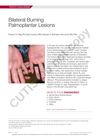
The woman was diagnosed with lichen sclerosus, a rare skin condition, after initial misdiagnosis and ineffective treatments.
Lhx2 is essential for effective Sonic Hedgehog signaling in early retinal development.
 April 2023 in “Journal of Investigative Dermatology”
 PX-12 may help treat psoriasis by blocking inflammation and cell death.
35 citations
,
September 1994 in “Journal of Investigative Dermatology” 1 citations
,
February 2013 in “InTech eBooks” LEKTI is crucial for skin barrier and immune function, affecting conditions like Netherton syndrome and atopic dermatitis.
 April 2016 in “Journal of The American Academy of Dermatology”
 Lichen planus may be associated with a higher risk of metabolic syndrome.
10 citations
,
June 2021 in “Journal of Investigative Dermatology” 3 citations
,
April 2010 in “The FASEB Journal” Estrogen and MLL enzymes work together to regulate genes important for hair growth and leukemia.
46 citations
,
October 2012 in “Seminars in reproductive medicine” Genetic defects in androgen production are linked to male developmental disorders and are improving treatment understanding.
August 2025 in “BMC Pharmacology and Toxicology” The LTF gene may help predict and manage nonspecific orbital inflammation.
 1 citations
,
May 2014 in “Lipid Technology”
1 citations
,
May 2014 in “Lipid Technology” New cleaning surfactants, biofuel production plans, dairy expansions, improved lipid testing methods, and various product launches and developments were reported in lipid technology.
 6 citations
,
January 2015 in “Biochemical Society Transactions”
6 citations
,
January 2015 in “Biochemical Society Transactions” The Ysc84/SH3yl1 protein family is important for cell movement and the process of taking in materials by interacting with actin and cell membranes.
10 citations
,
July 2023 in “Pharmaceutics” Activating PKM2 and Wnt/β-catenin signaling speeds up wound healing.
 January 2025 in “Cellular & Molecular Biology Letters”
 Eicosanoids are crucial for skin health, and targeting their pathways may help treat skin conditions.
 3 citations
,
September 2017 in “Galen medical journal”
3 citations
,
September 2017 in “Galen medical journal” Patients with psoriasis and cutaneous-oral lichen planus have higher blood homocysteine levels than healthy people.
November 2021 in “International Journal of Trichology” Low PON1 levels may indicate and predict the severity of hair loss.
6 citations
,
September 1957 in “Poultry Science” Adding copper helps turkey poults grow better when molybdenum is present.
June 2002 in “Science of aging knowledge environment” The cancer gene c-Myc increases harmful chemicals that damage DNA and can lead to cancer, but antioxidants can reduce this damage.
 9 citations
,
June 1947 in “Analytical Chemistry”
9 citations
,
June 1947 in “Analytical Chemistry” Cold waving solutions quickly reduce cystine to cysteine in hair.
 September 1997 in “JEADV. Journal of the European Academy of Dermatology and Venereology/Journal of the European Academy of Dermatology and Venereology”
 Alopecia patients have a less active liver monoxygenase system, which can be treated with photochemotherapy and system inducers.
75 citations
,
August 2018 in “Plant physiology” Hydrogen sulfide disrupts protein function and root hair growth in plants by modifying proteins.
7 citations
,
April 2019 in “Animal biotechnology” The POMP gene is active in various goat tissues and affects hair growth, with certain treatments influencing its expression.
1 citations
,
January 2010 Ornithine decarboxylase is crucial for human hair growth and the hair cycle.
54 citations
,
May 2001 in “Journal of Investigative Dermatology” Excessive putrescine causes hair loss in transgenic mice by disrupting hair follicle development.
26 citations
,
June 2003 in “PubMed” Alpha-difluoromethylornithine prevents cancer in mice but causes hair loss.