15 citations
,
July 2010 in “Journal of Allergy and Clinical Immunology” A new cream, DHMEQ, reduces allergic skin inflammation effectively.
2 citations
,
February 2022 in “Journal of Pharmacy and Pharmacology” Methotrexate-loaded formulations showed promise for psoriasis treatment but need careful evaluation.
Anifrolumab helped a woman with severe lupus achieve remission when other treatments failed.
 August 1994 in “Journal of dermatological science”
 Cyclosporin A and FK506 can start new hair growth in mice, but ascomycin and rapamycin cannot.
 2 citations
,
March 2022 in “Modern Rheumatology Case Reports”
2 citations
,
March 2022 in “Modern Rheumatology Case Reports” A medicine called tofacitinib worked to treat a hair loss condition linked with a muscle and skin disease.
 5 citations
,
August 2020 in “Stem Cell Research & Therapy”
5 citations
,
August 2020 in “Stem Cell Research & Therapy” Using fat-derived stem cells with the drug meglumine antimoniate can help control skin disease and reduce parasites in mice with leishmaniasis.
 6 citations
,
August 2013 in “Joint Bone Spine”
6 citations
,
August 2013 in “Joint Bone Spine” Tocilizumab treatment was associated with significant hair regrowth in one patient and temporary hair loss followed by regrowth in another.
 11 citations
,
November 2020 in “bioRxiv (Cold Spring Harbor Laboratory)”
11 citations
,
November 2020 in “bioRxiv (Cold Spring Harbor Laboratory)” Early treatment with azithromycin and other drugs reduced COVID-19 symptoms and complications.
The treatment was not recommended due to limited effectiveness and significant side effects.
4 citations
,
September 2025 in “Journal of the American Academy of Dermatology” October 2018 in “The American journal of gastroenterology” Pembrolizumab can cause serious liver issues, requiring close monitoring and early treatment.
TNFα and interleukin-1 blockers reduce skin inflammation from EGFR antibody therapy.
July 2026 in “Frontiers in Immunology” Ivarmacitinib may effectively treat complex atopic dermatitis and related hair loss.
 February 2026 in “Frontiers in Immunology”
 Ivarmacitinib significantly improved hair regrowth in severe alopecia areata after tofacitinib was less effective.
 5 citations
,
June 2019 in “British Journal of Dermatology”
5 citations
,
June 2019 in “British Journal of Dermatology” Tofacitinib was more effective than apremilast in treating hair loss in a mouse model of alopecia areata.
TNFα and interleukin-1 blockers reduce skin inflammation from EGFR antibody therapy.
 February 2026 in “Frontiers in Medicine”
 Topical immunotherapy is still effective for managing alopecia areata, even with new treatments available.
 32 citations
,
June 2012 in “PLoS ONE”
32 citations
,
June 2012 in “PLoS ONE” Blocking IL-8 can reduce skin rashes from cancer treatment.
80 citations
,
January 1995 in “The Nephron journals/Nephron journals” The treatment was effective for lupus nephritis with manageable side effects.
January 2013 in “Biology of blood and marrow transplantation” Rapamycin increased survival in mice with severe chronic graft-versus-host disease by expanding regulatory T cells.
4 citations
,
June 2024 in “British Journal of Dermatology” EGFRi/MEKi treatments cause hair follicles to lose some immune protection, leading to inflammation.
 278 citations
,
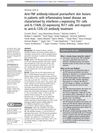
March 2013 in “Gut”
278 citations
,
March 2013 in “Gut” Anti-IL-12/IL-23 antibody therapy effectively treats psoriasiform skin lesions in IBD patients.
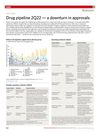 August 2022 in “Nature Biotechnology”
 Drug approvals slowed in 2Q22, but notable drugs like Amvuttra, Camzyos, and Olumiant were approved.
 16 citations
,
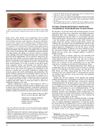
August 2011 in “Annals of Allergy Asthma & Immunology”
16 citations
,
August 2011 in “Annals of Allergy Asthma & Immunology” A woman with severe angioedema improved significantly after treatment with rituximab.
February 2026 in “Toxicology Letters” MK-0773 is a moderate inhibitor of the SRD5A2 enzyme.
16 citations
,
September 2006 in “The Journal of Immunology” MILL molecules are unique immune proteins in mice that don't need TAP to appear on cell surfaces.
 9 citations
,
July 2022 in “EMBO molecular medicine”
9 citations
,
July 2022 in “EMBO molecular medicine” Blocking certain immune signals can reduce skin damage from radiation therapy.
 37 citations
,
October 2017 in “Clinical and Experimental Dermatology”
37 citations
,
October 2017 in “Clinical and Experimental Dermatology” Oral tofacitinib shows promise in treating atopic dermatitis and alopecia areata, but only slight improvement in vitiligo.
1 citations
,
August 2025 in “Frontiers in Medicine” MicroRNAs could lead to new treatments for skin diseases, but more research is needed.
July 2024 in “Journal of Investigative Dermatology” OR101 may effectively treat atopic dermatitis and similar skin conditions.