 100 citations
,
July 2018 in “Journal of The American Academy of Dermatology”
100 citations
,
July 2018 in “Journal of The American Academy of Dermatology” People with alopecia areata often have other health issues like skin diseases, metabolic syndrome, stomach infections, lupus, anemia, thyroid problems, mental health issues, vitamin D deficiency, and hearing and eye problems.
 86 citations
,
July 2012 in “British journal of dermatology/British journal of dermatology, Supplement”
86 citations
,
July 2012 in “British journal of dermatology/British journal of dermatology, Supplement” There may be a connection between Frontal Fibrosing Alopecia and Lichen Planus Pigmentosus, and more research is needed to confirm this.
 23 citations
,
October 2018 in “Australasian Journal of Dermatology”
23 citations
,
October 2018 in “Australasian Journal of Dermatology” The current understanding of frontal fibrosing alopecia involves immune, genetic, hormonal factors, and possibly environmental triggers, but more research is needed for effective treatments.
 20 citations
,
June 2019 in “Experimental Dermatology”
20 citations
,
June 2019 in “Experimental Dermatology” The research suggests that autophagy-related genes might play a role in causing alopecia areata.
 17 citations
,
November 2018 in “Dermatology”
17 citations
,
November 2018 in “Dermatology” Most patients with frontal fibrosing alopecia had facial bumps, with Hispanic/Latino and premenopausal women being more affected, suggesting a more severe condition.
 15 citations
,
January 2015 in “Skin Pharmacology and Physiology”
15 citations
,
January 2015 in “Skin Pharmacology and Physiology” Parathyroid hormones are important for hair growth, but their use in treating hair loss from chemotherapy is still uncertain.
 10 citations
,
July 2012 in “International Journal of Dermatology”
10 citations
,
July 2012 in “International Journal of Dermatology” Syphilis can cause hair loss and should be considered in unexplained cases.
 8 citations
,
October 2019 in “International Journal of Dermatology”
8 citations
,
October 2019 in “International Journal of Dermatology” The study concluded that combination therapy with topical corticosteroids and hydroxychloroquine or finasteride is effective in treating Frontal fibrosing alopecia in Asians.
 7 citations
,
March 2025 in “Archives of Dermatological Research”
7 citations
,
March 2025 in “Archives of Dermatological Research” Trichoscopy helps better understand and manage alopecia areata, improving patient outcomes.
 3 citations
,
April 2010 in “Journal of Receptors and Signal Transduction”
3 citations
,
April 2010 in “Journal of Receptors and Signal Transduction” Minoxidil, a common alopecia medication, might cause eye changes due to its properties and lack of tissue selectivity.
 2 citations
,
July 2015 in “Archives of Dermatological Research”
2 citations
,
July 2015 in “Archives of Dermatological Research” A new gene variant in the DSP gene is linked to a unique type of hair loss.
 January 2017 in “Archives of clinical and biomedical research”
 Enhancing melanin's energy generation may help treat alopecia areata.
 January 2011 in “Elsevier eBooks”
 Alopecia in animals can be hereditary, congenital, or acquired, with treatments and outcomes varying widely.
 25 citations
,
January 2006 in “Pharmacoepidemiology and drug safety”
25 citations
,
January 2006 in “Pharmacoepidemiology and drug safety” SSRIs can cause hair loss, especially sertraline, with higher risk in women.
 22 citations
,
June 1980 in “International Journal of Dermatology”
22 citations
,
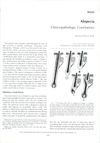
June 1980 in “International Journal of Dermatology” The document concludes that correct diagnosis of alopecia types is crucial, scalp biopsies are important, and more research is needed.
 5 citations
,
January 2021 in “Daru”
5 citations
,
January 2021 in “Daru” A woman had severe reactions to methotrexate, including skin issues and organ problems, but improved after 38 days in the hospital.
2 citations
,
December 2018 Alopecia frontal fibrosante affects facial vellus hair and can be diagnosed with dermatoscopy.
 1 citations
,
January 2021 in “Skin appendage disorders”
1 citations
,
January 2021 in “Skin appendage disorders” A woman with alopecia regrew her hair after taking a higher dose of tocilizumab.

Frontal fibrosing alopecia can be managed with personalized combination therapies, but no cure exists yet.

Clinical signs don't match inflammation levels in lichen planopilaris and frontal fibrosing alopecia.
 September 2021 in “Revista Interdisciplinar em Saúde”
 Oral isotretinoína effectively stabilizes frontal fibrosing alopecia.
 February 2013 in “Journal of the American Academy of Dermatology”
 Certain gene variations might increase the risk of a hair loss condition in Koreans.
 19 citations
,
May 2004 in “The American Journal of Dermatopathology”
19 citations
,
May 2004 in “The American Journal of Dermatopathology” The research found that a specific gene mutation causes fewer hair follicles and disrupted hair growth cycles, leading to thin and short hair in people with Hypotrichosis with Juvenile Macular Dystrophy.
 5 citations
,
September 2021 in “Journal of Medical Biochemistry”
5 citations
,
September 2021 in “Journal of Medical Biochemistry” wAMD patients have higher oxidative stress, suggesting antioxidant treatment may help.
 2 citations
,
December 2012 in “Acta Facultatis Medicae Naissensis”
2 citations
,
December 2012 in “Acta Facultatis Medicae Naissensis” A man with HIV had hair loss due to syphilis, which improved after penicillin treatment.
 July 2012 in “Reactions Weekly”
 Minoxidil use was linked to a rare eye condition that improved after stopping the treatment.
 132 citations
,
July 2000 in “Lupus”
132 citations
,
July 2000 in “Lupus” In Italian patients with lupus, the most common skin issue was chronic cutaneous lupus, especially discoid lesions, and nonspecific skin problems occurred in about a third of those with systemic lupus, mainly during active disease.
 51 citations
,
November 2013 in “Drug Discovery Today”
51 citations
,
November 2013 in “Drug Discovery Today” Small molecule drugs show promise for advancing regenerative medicine but still face development challenges.
 35 citations
,
January 2009 in “Indian Journal of Dermatology, Venereology and Leprology”
35 citations
,
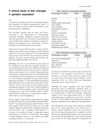
January 2009 in “Indian Journal of Dermatology, Venereology and Leprology” Older adults commonly experience wrinkles, itchy skin, psoriasis, fungal infections, skin growths, grey hair, hair loss, and nail ridging, but no skin cancer was found in this group.
 9 citations
,
September 2011 in “Cutaneous and Ocular Toxicology”
9 citations
,
September 2011 in “Cutaneous and Ocular Toxicology” Using 2% minoxidil for baldness treatment might cause vision distortion due to fluid build-up under the retina.