1 citations
,
October 2024 in “Indian Dermatology Online Journal” PRP injections for hair loss may cause scalp nodules that can persist but often regress on their own.
 November 2025 in “Zenodo (CERN European Organization for Nuclear Research)”
 Many women in urban Bangalore have low magnesium intake, leading to symptoms like hair loss and joint pain.
 November 2025 in “Zenodo (CERN European Organization for Nuclear Research)”
 Many women in urban Bangalore have low magnesium intake, leading to symptoms like hair loss and joint pain.
March 2011 in “Pigment Cell & Melanoma Research” The Agouti gene influences pigmentation and may have a developmental role in deer mice.
50 citations
,
February 2004 in “Genomics” A gene mutation causes lanceolate hair in rats by disrupting hair shaft integrity.
4 citations
,
January 2020 11 citations
,
May 2021 in “Asian Journal of Pharmaceutical and Clinical Research” Eclipta alba (Bhringraj) helps protect the liver and promotes hair growth.
3 citations
,
June 2001 in “Journal of Zoo and Wildlife Medicine” The lemur's testicular tumor was removed, improving its coat and behavior, with no signs of cancer spread.
June 2026 in “Clinical and Experimental Dermatology” Alopecia areata can cause rare changes in hair color and thickness.
July 2021 in “Veterinary record/The veterinary record” A calf in Scotland likely had Schmallenberg virus from its mother.
8 citations
,
November 1997 in “Veterinary Research Communications” 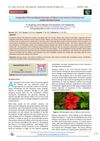 October 2022 in “International journal of pharmaceutical sciences review and research”
 Hibiscus leaf extract is better for diabetes, and Eclipta alba bark extract is better for antioxidants.
 3 citations
,
September 2020 in “Journal of Threatened Taxa”
3 citations
,
September 2020 in “Journal of Threatened Taxa” Aquatic plants in northern Bihar are vital for local livelihoods and need protection and sustainable management.
 16 citations
,
April 2007 in “Journal of Medical Primatology”
16 citations
,
April 2007 in “Journal of Medical Primatology” The monkey's hair loss was due to an autoimmune disease, not genetics.
December 2024 in “PLoS ONE” Alopecia in gray bats is most common and severe during lactation, likely due to stress and nutrition.
 January 2026 in “BMC Veterinary Research”
 A genetic variant in "Blonde d'Aquitaine" calves causes death at birth due to a missing protein.
 2 citations
,
February 2019 in “bioRxiv (Cold Spring Harbor Laboratory)”
2 citations
,
February 2019 in “bioRxiv (Cold Spring Harbor Laboratory)” The Asiatic lion has very low genetic diversity and unique genetic traits, highlighting the need for its conservation.
5 citations
,
January 2009 in “International Journal of Trichology” Two siblings had a rare hair condition with banded hair, which doesn't need treatment.
 March 2021 in “Research Society and Development”
 A blue Staffordshire Bull Terrier had hair loss due to color dilution alopecia, confirmed by tests, but no treatment was pursued.
48 citations
,
July 1988 in “PubMed” Rhino mice show significant meibomian gland changes, making them a potential model for studying gland disorders.
3 citations
,
January 2011 in “生物医学研究杂志:英文版” A new mutation in the KRT86 gene causes monilethrix in a Han family.
Bacopa monniera promotes hair growth, enhances memory, and helps with inflammation and stomach issues.
7 citations
,
January 2008 in “Indian Journal of Dermatology” Pigmentary mosaicism causes skin color changes and can affect multiple body systems, but has no cure.
 4 citations
,
July 2022 in “Scientific reports”
4 citations
,
July 2022 in “Scientific reports” Crossbreeding improves goat fiber quality, and specific genes affect hair traits and color.
September 1997 in “Clinical and Experimental Dermatology” 2 citations
,
November 2024 in “PLoS ONE” Genomic prediction can improve breeding strategies for Korean Sapsaree dogs.
1 citations
,
May 2016 in “Journal of Veterinary Diagnostic Investigation” Exotic lice infest 45% of California mule deer, with younger and selenium-deficient deer more vulnerable.
 20 citations
,
September 2021 in “Nature communications”
20 citations
,
September 2021 in “Nature communications” Cat color patterns are determined early in development by gene expression and epidermal changes, with the Dickkopf 4 gene playing a crucial role.