Search
for
Sort by
Research
30 / 1000+ results
research Assessing the efficacy and quality of Life improvements of botulinum toxin type a with topical minoxidil versus topical minoxidil in male androgenetic alopecia: a randomized controlled trial
Combining botulinum toxin type A with Minoxidil significantly improves hair growth and patient satisfaction in male hair loss.
research A Randomized Controlled, Single-Observer Blinded Study on the Safety and Efficacy of a Combination of 678nm Helmet-Type Low-level Laser Therapy and Topical Minoxidil 5% Versus Topical Minoxidil 5% Alone in the Treatment of Male Androgenetic Alopecia
Using a laser helmet with Minoxidil works better for male hair loss than Minoxidil alone, with no extra side effects.
research The type of androgenetic alopecia and quality of life (QoL) in male patients
More severe hair loss worsens quality of life in men.
research Assessing the Efficacy and Quality of Life Improvements of Botulinum Toxin Type A With Topical Minoxidil versus Topical Minoxidil in Male Androgenetic Alopecia: A Randomized Controlled Trial
Combining botulinum toxin type A with Minoxidil leads to better hair growth and quality of life in men with hair loss.
research Male androgenetic alopecia
Male pattern baldness is mainly caused by genetics and hormones, treatable with minoxidil and finasteride.
research Androgenetische Alopezie beim Mann . Male androgenetic alopecia
Male androgenetic alopecia involves hair follicle miniaturization due to DHT, with potential treatments using inhibitors and blockers.
research Bilateral temporal alopecia in male androgenetic alopecia: An unusual new presentation
Atypical male hair loss may not respond to usual treatments.
research Male pattern androgenetic alopecia in an Indian context: a perspective study
At least 87% of Indian men experience hair loss, with type II being most common and severity increasing with age.
research Topical minoxidil therapy for hereditary male pattern alopecia.
Topical minoxidil can promote hair growth in men with hereditary hair loss, with no serious side effects.
research Clinical dose ranging studies with finasteride, a type 2 5α-reductase inhibitor, in men with male pattern hair loss
Finasteride effectively treats male pattern hair loss with a 1 mg daily dose.
research Finasteride, a Type 2 5α-reductase inhibitor, in the treatment of men with androgenetic alopecia
Finasteride effectively treats male hair loss, improving growth and density.
research In silico screening of effective inhibitor of 5α-reductase type 1 for androgenic alopecia treatment
β-sitosterol and brassicasterol may help treat hair loss.
research Identification of Immune Microenvironment Changes, Immune-Related Pathways and Genes in Male Androgenetic Alopecia
Immune changes and specific genes contribute to male hair loss.
research FINASTERIDE AS A TREATMENT FOR MALE ANDROGENETIC ALOPECIA
Finasteride effectively treats male pattern baldness.
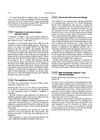
research ST008 Male androgenetic alopecia: A new treatment paradigm
New treatment improves male hair loss.
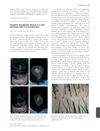
research Iatrogenic androgenetic alopecia in a male phenotype 46XX true hermaphrodite
Hormone treatment caused hair loss, finasteride helped regrowth.

research Identification of immune microenvironment changes, immune-related pathways and genes in male androgenetic alopecia
The research suggests immune system changes and specific gene expression may contribute to male hair loss, proposing potential new treatments.
research [Finasteride: a new drug for the treatment of male hirsutism and androgenetic alopecia?].
Finasteride may help reduce male hair loss and excessive hair growth by lowering DHT levels.
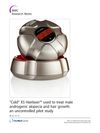
research “Cold” X5 Hairlaser™ used to treat male androgenic alopecia and hair growth: an uncontrolled pilot study
The X5 Hairlaser might help treat male hair loss, but more research is needed.

research Advances in the treatment of male androgenetic alopecia: a brief review of finasteride studies.
Finasteride is effective in growing hair and stopping hair loss in men with mild to moderate alopecia.
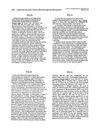
research Classification scale for male and female androgenetic alopecia.
Scale created to measure hair loss in men and women; MK-386 reduces acne; Niaspan treats dyslipidemia; minoxidil increases heart rate.

research Premature androgenic alopecia and insulin resistance. Male equivalent of polycystic ovary syndrome?
Some men with early hair loss may have similar hormonal changes to women with Polycystic ovary syndrome, and could be at risk for developing type 2 diabetes.
research 42577 Application of the new clinical guidelines in frontal fibrosing alopecia of the male
Current guidelines may overlook beard and sideburn involvement in diagnosing frontal fibrosing alopecia in men.

research Faculty Opinions recommendation of A randomized, active- and placebo-controlled study of the efficacy and safety of different doses of dutasteride versus placebo and finasteride in the treatment of male subjects with androgenetic alopecia.
Dutasteride 0.5mg was found to be more effective than finasteride 1mg in treating male pattern hair loss, with similar side effects.
research Acquired Acrodermatitis Enteropathica in a 28-Year-Old Male with Type 1 Diabetes
A 28-year-old man with type 1 diabetes had skin and hair issues due to zinc deficiency.
research trans-3,4'-Dimethyl-3-hydroxyflavanone, a Hair Growth Enhancing Active Component, Decreases Active Transforming Growth Factor .BETA.2 (TGF-.BETA.2) through Control of Urokinase-Type Plasminogen Activator (uPA) on the Surface of Keratinocytes
t-Flavanone may help hair growth by reducing a specific protein's activity in skin cells.
research Incidence of Female Androgenetic Alopecia (Female Pattern Alopecia)
Hair loss in women is common, starts in late 20s, and affects 30% of women over 50.
research Analysis of familial factors using the basic and specific (BASP) classification in Korean patients with androgenetic alopecia
Familial factors affect hair loss types in Koreans, with M type in men, L type in women, and paternal factors influencing male hair loss more.
research Incidence of Female Androgenetic Alopecia (Female Pattern Alopecia)
Female pattern alopecia is common, starts in late 20s, and is not androgen dependent.