 June 2017 in “JPRAS Open”
 Hair transplant was successful on a bald area after skin graft surgery.
 April 2016 in “Journal of The American Academy of Dermatology”
 Some blood pressure medications are linked to a higher risk of skin cancer.
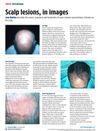 January 2015 in “Independent Nurse”
 Different scalp conditions can lead to hair loss or tumors, with treatments varying from creams to surgery; early detection is crucial.
 September 2014 in “Journal der Deutschen Dermatologischen Gesellschaft”
 Diabetes can cause a variety of skin disorders, some of which may signal more serious health issues.
 January 2013 in “International journal of trichology”
 Vitamin D3 and its receptor are important for hair growth, and understanding receptors could help treat hair graying and skin cancer.
 July 2010 in “British Journal of Dermatology”
 New hair regrowth model proposed, imiquimod found to kill skin cancer cells, T-cadherin loss linked to invasive skin cancer, no clear gene link to skin cancer after transplant, and study on children's hair loss shows male dominance and genetic ties.
January 2008 in “中山醫學大學醫學研究所學位論文” Danthron from Rhubarb causes melanoma cells to stop growing and die.
research TOC
September 2003 in “Clinics in Family Practice” The document lists dermatology topics across life stages and notes hair loss can affect self-esteem and early skin cancer treatment is crucial.
 January 2003 in “Springer eBooks”
 Children with diabetes often have skin problems, which can be better managed with good blood sugar control.
 May 1992 in “Reactions Weekly”
 Some patients lost hair after taking interferon alpha 2B, but it improved for some while still on the treatment and for others after stopping it.
January 1990 in “대한피부과학회지” Peanut agglutinin staining helps differentiate malignant melanoma from nevocellular nevus.
COCs can improve acne but may cause skin issues like cholasma; high estrogen is advised for hair loss concerns.
 June 2020 in “International Journal of Research in Dermatology”
 Xerosis and wrinkling are common in elderly skin, but some conditions can be harmful.
 May 2017 in “Journal of The American Academy of Dermatology”
 Finasteride and dutasteride increase sexual dysfunction reports.
 39 citations
,
October 2014 in “Schweizerische medizinische Wochenschrift”
39 citations
,
October 2014 in “Schweizerische medizinische Wochenschrift” Cyclophosphamide has serious side effects, but long-term follow-up can help manage risks.
21 citations
,
March 2018 in “JEADV. Journal of the European Academy of Dermatology and Venereology/Journal of the European Academy of Dermatology and Venereology” 5-alpha-reductase inhibitors may help stabilize or slow down hair loss in some frontal fibrosing alopecia patients, but more research is needed to confirm their effectiveness and safety.
 18 citations
,
May 2016 in “Annals of Medicine”
18 citations
,
May 2016 in “Annals of Medicine” The article concludes that correctly diagnosing systemic causes of hair loss requires a detailed clinical evaluation and a systematic diagnostic approach.
 17 citations
,
December 2014 in “Cell Stem Cell”
17 citations
,
December 2014 in “Cell Stem Cell” Intravital imaging helps us better understand stem cells in their natural environment and could improve knowledge of organ regeneration and cancer development.
 7 citations
,
July 2019 in “Clinics in Dermatology”
7 citations
,
July 2019 in “Clinics in Dermatology” Hair loss can indicate or worsen with systemic diseases, and treating the underlying condition is important.
 7 citations
,
January 2017 in “Dermatology”
7 citations
,
January 2017 in “Dermatology” People who get alopecia areata after age 50 usually have mild symptoms, high chances of hair regrowth, and often have other health conditions.
 5 citations
,
July 1991 in “Irish Journal of Medical Science (1971 -)”
5 citations
,
July 1991 in “Irish Journal of Medical Science (1971 -)” Immunosuppressive therapy helps manage autoimmune diseases but carries risks like infection and potential for malignancy.
 2 citations
,
June 2023 in “Indian journal of dermatology, venereology, and leprology”
2 citations
,
June 2023 in “Indian journal of dermatology, venereology, and leprology” Janus kinase inhibitors can regrow hair in alopecia areata but may cause side effects and hair loss may return if treatment stops.
April 2026 in “The Journal of Dermatology” Vitiligo patients have higher risks of autoimmune diseases, infections, and skin cancer.
 December 2025 in “International Journal of Innovative Technologies in Social Science”
 Ritlecitinib is generally safe for long-term use, with mostly mild side effects.
 July 2025 in “SKIN The Journal of Cutaneous Medicine”
 Ritlecitinib is generally safe for alopecia areata patients over 72 months.
 January 2024 in “American journal of clinical dermatology”
 Ritlecitinib is safe and well-tolerated for treating alopecia areata in patients aged 12 and older.
 December 2023 in “Asian journal of medical sciences”
 Psoriasis is the most common cause of erythroderma, and proper medical follow-up is crucial.
July 2023 in “International journal of physiology” Hypertrichosis lanuginosa causes excessive fine hair growth, often linked to genetics or cancer, with limited treatment options.
 January 2021 in “Journal of Allergy and Therapy”
 Electric Follicle Stimulation may promote hair growth and density with no known side effects.
 106 citations
,
December 2015 in “Journal of The American Academy of Dermatology”
106 citations
,
December 2015 in “Journal of The American Academy of Dermatology” Correct skin biopsy techniques are crucial to avoid misdiagnosis of skin diseases.