612 citations
,
February 2004 in “Nature” OXI1 kinase is essential for plant defense and root hair growth in Arabidopsis.
58 citations
,
July 2005 in “Molecular and Cellular Biology” A specific gene segment can make mouse skin cells glow, helping study hair growth and gene effects.
265 citations
,
March 1993 in “The EMBO Journal” Keratinocyte growth factor significantly alters skin and tissue development.
 April 2023 in “Cancer research”
 KRTAP2-3 could help predict cancer recurrence by identifying specific cancer cells.
324 citations
,
May 2002 in “Oncogene” 7 citations
,
May 2022 in “Cancers” UC.145 may be a new biomarker for predicting gastric cancer.
36 citations
,
April 2016 in “Biochimie” A substance called epidermal growth factor helps increase the growth of important hair follicle cells by activating a specific cell communication route.
 April 2017 in “Journal of Investigative Dermatology”
 The BMP/Smads pathway and Id2 gene control hair follicle stem cells, affecting their rest and growth phases.
January 2012 in “DigtalCommons @ Texas Medical Center Library (Texas Medical Center)” Stat3 affects skin cancer development by altering keratinocyte stem cell behavior.
54 citations
,
January 2009 in “Development” β-catenin, Shh, and Bmp signaling control hair follicle development.
24 citations
,
December 2016 in “Stem Cell Research & Therapy” P311 helps skin stem cells become myofibroblast-like cells, aiding wound healing.
33 citations
,
April 2003 in “Oncogene”  April 2023 in “The journal of investigative dermatology/Journal of investigative dermatology”
 Too much IKZF1 and Ikaros protein may cause alopecia areata.
5 citations
,
July 2024 in “Journal of Microbiology and Biotechnology” ICP5249 helps hair grow by activating a specific cell pathway.
 February 2025 in “International Journal of Molecular Sciences”
 RIPK1 inhibitors may help prevent alopecia areata by reducing immune cell activity.
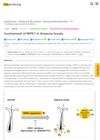
RIPK1 inhibitors might help prevent alopecia areata.
41 citations
,
December 2019 in “Science Translational Medicine” Anti-EGFR therapy can cause skin issues, but FGF7 treatment might help.
 24 citations
,
April 2017 in “Oncology Reports”
24 citations
,
April 2017 in “Oncology Reports” The hair keratin gene KRT81 is found in both normal and breast cancer cells and helps them invade surrounding tissues.
 April 2023 in “The journal of investigative dermatology/Journal of investigative dermatology”
 Blocking a key energy pathway in human hair follicles can trigger stress responses that stop cell growth.
 49 citations
,
August 2004 in “The FASEB Journal”
49 citations
,
August 2004 in “The FASEB Journal” Mice with human skin protein K8 had more skin problems and cancer.
 71 citations
,
January 2015 in “Journal of molecular cell biology/Journal of Molecular Cell Biology”
71 citations
,
January 2015 in “Journal of molecular cell biology/Journal of Molecular Cell Biology” mTOR signaling helps activate hair stem cells by balancing out the suppression caused by BMP during hair growth.
 85 citations
,
October 2015 in “Proceedings of the National Academy of Sciences of the United States of America”
85 citations
,
October 2015 in “Proceedings of the National Academy of Sciences of the United States of America” NF-κB is crucial for zebrafish heart repair, affecting heart cell growth and repair processes.
 April 2017 in “Journal of Investigative Dermatology”
 PRC1 influences skin stem cell development by both turning genes on and off, affecting hair growth and skin cell types.
 July 2022 in “Journal of Investigative Dermatology”
 Dkk4 is necessary for the initial development and arrangement of hair follicles.
 12 citations
,
July 2020 in “Aging”
12 citations
,
July 2020 in “Aging” The protein EZH2 blocks microRNA-22, increasing STK40 protein, which helps hair follicle stem cells change and grow hair.
1 citations
,
January 2025 in “Journal of Cosmetic Dermatology” Inhibiting ACE2 improves skin regeneration during tissue expansion.
1 citations
,
April 2024 in “Journal of Dermatological Science” 48 citations
,
October 2004 in “Molecular and Cellular Biology” Mice with a specific BRCA1 mutation have a higher risk of tumors, especially in the uterus and ovaries.
November 2025 in “Biomedicines” JAK1 inhibitors can help reduce itchiness in atopic dermatitis.
32 citations
,
February 2019 in “eLife” BMP signaling is essential for the development of touch domes.