Search
for
Sort by
Research
30-60 / 1000+ resultsresearch Finasteride/minoxidil
research Finasteride/minoxidil
research Use of Minoxidil Sulfate versus Minoxidil Base in Androgenetic Alopecia Treatment: Friend or Foe?
Minoxidil base is preferred for hair loss treatment, but minoxidil sulfate may be an alternative for unresponsive patients.
research Effect of a novel steroid (PM-9) on the inhibition of 5α-reductase present in Penicillium crustosum broths
PM-9 and finasteride effectively inhibit the enzyme that converts testosterone to DHT.
research Progress on clinical applications of chlormadinone acetate
Chlormadinone acetate is useful for birth control and treating various hormonal issues.
research Finasteride blocks progesterone synthesis in MA-10 Leydig tumor cells

research Exploring the mechanism of stigmasterol against androgenetic alopecia using geometry optimization, network pharmacology, molecular docking, and molecular dynamics studies
Stigmasterol may help treat hair loss, but more research is needed.
research Estranys matins de febrer: Pauline Fondevila
Trienones are more effective at inhibiting the enzyme linked to hair loss than dienones.
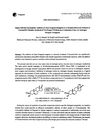
research Highly efficient nucleophilic addition of alkyl Grignard reagents to 17-ketosteroids in the presence of cerium(III) chloride: Synthesis of 17α-propyl-17β-hydroxy-4-androsten-3-one, an androgen receptor antagonist
Adding cerium(III) chloride to Grignard reagents improves the making of compounds that could treat prostate issues and hair loss.
research Abstract P5-09-21: Selective androgen receptor modulators (SARMs): Enobosarm as targeted therapy for the treatment of androgen receptor-positive breast cancer
Enobosarm may effectively treat androgen receptor-positive breast cancer with fewer side effects.
research [Proliferation behavior of the anagen hair bulb in androgenetic alopecia before and after local administration of 17 alpha- propylmesterolone–DNA flow cytophotometry studies].
Topical 17 alpha-propylmesterolone increases hair cell growth in androgenetic alopecia.

research Impact of a Novel Dehydroepiandrosterone Derivative on the Metabolism of RWPE-1 and LNCaP Cell Lines
Steroid 12 shows promise as a targeted treatment for prostate cancer by selectively reducing cell growth and increasing cell death.

research Sublingual Minoxidil 5 mg versus Oral Minoxidil 5 mg for male androgenetic alopecia: A double‐blind randomized clinical trial
Sublingual and oral minoxidil are equally effective for hair growth, but sublingual causes fewer palpitations.
research Synthesis and 5α-Reductase Inhibitory Activity of C21 Steroids Having 1,4-diene or 4,6-diene 20-ones and 4-Azasteroid 20-Oximes
Three specific 4-azasteroid-2-oximes showed strong enzyme inhibition, but less than finasteride.
research Expression of concern: potential risk for developing severe COVID-19 disease among anabolic steroid users
Anabolic steroid users may face higher risk of severe COVID-19.

research PROGRESSIVE SLEEP APNOEAS RESPOND TO MEDROXYPROGESTERONE ACETATE
Medroxyprogesterone acetate improved sleep apnea symptoms in some obese patients.
research 17-Oximino-5-androsten-3β-yl esters: synthesis, antiproliferative activity, acute toxicity, and effect on serum androgen level
Some synthesized compounds were more effective than Finasteride in reducing prostate cancer cell growth and androgen levels.
research Formestane Preferred as Second-Line Therapy in Advanced Breast Cancer
Formestane is a preferred second-line treatment for advanced breast cancer in postmenopausal women because it's effective and has fewer side effects.
research Selective androgen receptor modulators: a critical appraisal
SARMs show promise but need more evidence to prove they're better than traditional androgens.
research Dutasteride
Dutasteride may become the top choice for treating hair loss.
research platelet-rich plasma versus topical 5% minoxidil in the treatment of androgenetic alopecia: A comparative observational study.
PRP therapy improves hair density and satisfaction more than Minoxidil for androgenetic alopecia.
research Steroid 5α-reductase inhibition by polymethoxyflavones
Certain natural compounds can block an enzyme linked to prostate enlargement and hair loss, showing potential for new treatments.
research Synthesis and Pharmacological Evaluation of New Progesterone Esters as 5.ALPHA.-Reductase Inhibitors
Smaller substituents at C-17 enhance the inhibitory activity of progesterone derivatives on 5alpha-reductase.

research Androgenic and anti-androgenic effects of progesterone derivatives with different halogens as substituents at the C-6 position
Different halogens on progesterone derivatives can either block or mimic male hormone effects, depending on their type and amount.
research A randomized, double-blind controlled study of the efficacy and safety of topical solution of 0.25% finasteride admixed with 3% minoxidil vs. 3% minoxidil solution in the treatment of male androgenetic alopecia
Finasteride and minoxidil mix works better for hair growth than minoxidil alone, with similar safety.

research Hair growth effects of oral administration of finasteride, a steroid 5 alpha-reductase inhibitor, alone and in combination with topical minoxidil in the balding stumptail macaque.
Finasteride and minoxidil together promote hair growth better than either alone.
research Identification of xenobiotics interfering with 5 α -reductase (SRD5A2) activity
MK-0773 is a moderate inhibitor of the SRD5A2 enzyme.
research Finasteride/testosterone
research PRP vs 5% topical Minoxidil: a dilemma in moderate male androgenetic alopecia
Combining PRP and minoxidil works best for treating male hair loss.