 6 citations
,
February 2015 in “Dermatologic Surgery”
6 citations
,
February 2015 in “Dermatologic Surgery” The document concludes that a new training model could improve dermatology residents' skills in nail procedures and lead to more nail cases being treated by dermatologists.
 March 2009 in “Medical & surgical dermatology”
 Women with androgenetic alopecia have fewer terminal hairs, phenol in nail surgery is safe, and a new hair transplant method is faster and less damaging.
 February 2015 in “Dermatologic Surgery”
 Smaller reticle sizes are as accurate as the standard size for measuring hair density in hair restoration.
4 citations
,
December 2024 in “International Journal of Dermatology” Mohs micrographic surgery is more effective than surgical excision for treating pilomatrix carcinoma, with no recurrences.
 13 citations
,
May 2020 in “Journal of Cosmetic Dermatology”
13 citations
,
May 2020 in “Journal of Cosmetic Dermatology” The article suggests using safety measures and telemedicine for aesthetic dermatology during COVID-19, while some procedures can still be done safely.
 3 citations
,
January 2020 in “Acta Dermatovenerologica Alpina Pannonica et Adriatica”
3 citations
,
January 2020 in “Acta Dermatovenerologica Alpina Pannonica et Adriatica” Cryotherapy is effective for ingrown toenails, especially in single cases, but has high recurrence in younger and bilateral cases.
 July 2009 in “Medical & surgical dermatology”
 Low-dose acitretin helps nail psoriasis, stem cells may treat scarring alopecia, Chinese men have lower baldness rates, lateral foldplasty is good for ingrown toenails, hair diameter helps diagnose female baldness, childhood trauma linked to alopecia areata, certain hair-weaving leads to scalp conditions in African American women, and new methods for hair research and understanding hair and sweat gland development were introduced.
 April 2003 in “Journal of Cutaneous Medicine and Surgery”
 Lasers are effective for some skin conditions but can cause side effects like scarring and pigment changes; careful selection is important, and botulinum toxin type A is successful in reducing sweat in palmar hyperhidrosis.
 January 2024 in “Journal of surgical case reports”
 Removing an adrenal tumor can significantly reduce high androgen levels in postmenopausal women.
12 citations
,
January 2023 in “Current Oncology” Early detection and complete surgical removal are crucial for better outcomes in treating pilomatrix carcinoma.
November 2013 in “Cancer” Oophorectomy reduces ovarian cancer risk for women with BRCA mutations, finasteride lowers prostate cancer risk without raising death risk, and prophylactic mastectomy rates are rising.
February 2019 in “Dermatologic Surgery” Mohs surgery effectively treats nipple adenoma while preserving the nipple area.
 April 2023 in “Authorea (Authorea)”
 Hair transplantation can improve scars after removing a rare skin cancer.
January 2026 in “Annals of Pathology and Laboratory Medicine” Accurate diagnosis of rare pilomatrix carcinoma is crucial for effective treatment.
August 2024 in “Clinical Case Reports” Pilomatricoma is a rare, benign skin tumor that requires surgical removal for best results.
 October 2024 in “Journal of the Endocrine Society”
 Surgical removal of a rare ovarian tumor improved symptoms and hormone levels in a postmenopausal woman.
 56 citations
,
February 2006 in “American journal of physiology. Cell physiology”
56 citations
,
February 2006 in “American journal of physiology. Cell physiology” Steroid sex hormones activate matriptase in prostate cancer cells but not in breast cancer cells.
 June 2023 in “Clinical Case Reports”
 Complete surgical removal and regular check-ups are essential for treating a rare skin cancer, and hair transplant can help fix scars from cancer surgery.
September 2020 in “Oral surgery, oral medicine, oral pathology and oral radiology” The report shows that a rare benign tumor was successfully removed from inside the mouth to avoid scarring on the face.
 December 2013 in “Macedonian Journal of Medical Sciences”
 Ovarian steroid cell tumors should be considered in adults with hirsutism and high testosterone, with surgery as the main treatment.
 December 2013 in “Open Access Macedonian Journal of Medical Sciences”
 A woman's excessive hair growth and high testosterone were caused by a rare ovarian tumor, which was successfully treated with surgery.
 November 2022 in “Journal of the Endocrine Society”
 Removing the ovarian tumor improved the woman's hormonal symptoms.
 January 2023 in “Case Reports in Obstetrics and Gynecology”
 A woman's high testosterone levels and related symptoms improved after ovary removal surgery.
1 citations
,
March 2005 in “Zentralblatt für Gynäkologie” A postmenopausal woman had high testosterone from her right adrenal gland, leading to recommended surgery.
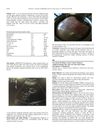 October 2014 in “Journal of Minimally Invasive Gynecology”
 Genetic testing for cancer risk can lead to early and life-saving treatments in people without symptoms.
 2 citations
,
October 2015 in “The New England Journal of Medicine”
2 citations
,
October 2015 in “The New England Journal of Medicine” The woman's surgery lowered her testosterone and improved scalp hair loss but did not change her excessive body hair.
22 citations
,
January 2019 in “Climacteric” Oophorectomy lowers testosterone and estrogen levels in both premenopausal and postmenopausal women, with postmenopausal women still producing significant testosterone.
June 2025 in “British Journal of Dermatology” Melanocytic matricoma can look like skin cancer but is usually harmless; surgery and follow-up are advised.
April 2020 in “International journal of reproduction, contraception, obstetrics and gynecology” A postmenopausal woman with hair loss and hirsutism improved after surgery to remove an ovarian tumor.
 January 2013 in “Revista Clínica Española”
 A postmenopausal woman's increased male hormone levels were successfully treated with surgery.