July 2019 in “Medical Science and Discovery” Early diagnosis and treatment can prevent or delay frontal fibrosing alopecia progression in postmenopausal women.
17 citations
,
July 2024 in “Frontiers in Oncology” New therapies and trials are needed for Merkel cell carcinoma, a tough skin cancer.
17 citations
,
January 2015 in “JOURNAL OF CLINICAL AND DIAGNOSTIC RESEARCH” Cronkhite-Canada syndrome is a rare, non-inherited condition causing various symptoms like polyps, hair loss, and weight loss.
4 citations
,
June 2023 in “Pharmaceutical Biology” Qing Cuo Formula may effectively treat acne by reducing inflammation and hormone levels.
June 2020 in “Zenodo (CERN European Organization for Nuclear Research)” 11 citations
,
January 2009 in “World Journal of Gastroenterology” A woman with both Cronkhite-Canada syndrome and myelodysplastic syndrome improved significantly with corticosteroid treatment.
The curly mutation in SELH/Bc mice affects hair and may help study human genetic disorders.
24 citations
,
July 2018 in “British Journal of Dermatology” Contact allergies might contribute to frontal fibrosing alopecia.
5 citations
,
April 2014 in “Journal of Lipid Research” SCD1 inhibitors can cause skin issues in rodents.
 10 citations
,
June 2005 in “The journal of investigative dermatology/Journal of investigative dermatology”
10 citations
,
June 2005 in “The journal of investigative dermatology/Journal of investigative dermatology” FP-1 is a key protein in rat hair growth, active only during the growth phase.
 April 2023 in “Journal of Investigative Dermatology”
 Ganoderma lucidum extract can potentially reduce stress-induced hair loss by slowing down premature hair aging and removing harmful substances.
22 citations
,
April 2012 in “The American journal of pathology” Loss of Msx2 function causes eye development issues similar to Peters anomaly.
 July 2023 in “Indian Journal of Animal Health”
 FGF-5 promotes Cashmere goat hair growth by increasing keratin genes and reducing certain LncRNA and target genes.
 February 2023 in “Journal of medical primatology”
 Pair housing reduces stress behaviors and health issues in quarantined rhesus macaques.
CyRL-QN15 peptide boosts hair growth in diabetic mice by activating specific cell pathways.
September 1992 in “Journal of Dermatological Science” September 2025 in “PeerJ” FCER1A and RGS1 may help diagnose and treat systemic lupus erythematosus.
 March 2023 in “İnönü Üniversitesi Sağlık Hizmetleri Meslek Yüksek Okulu Dergisi”
 Obesity is linked to higher metabolic syndrome and LH/FSH ratios, but no significant differences exist among PCOS phenotypes.
 41 citations
,
April 2016 in “Journal of experimental botany”
41 citations
,
April 2016 in “Journal of experimental botany” RACB in barley is crucial for cell polarity and nucleus positioning, aiding fungal infection.
January 2026 in “JCEM Case Reports” A rare case of Cushing's syndrome and pheochromocytoma requires careful re-evaluation to avoid complications.

Dual TCR Treg cells are common in mouse tissues and vary by location.
 3 citations
,
October 2021 in “Postepy Dermatologii I Alergologii”
3 citations
,
October 2021 in “Postepy Dermatologii I Alergologii” Checking the chin, thighs, upper lip, or lower abdomen is enough to predict hirsutism.
3 citations
,
June 2016 in “JEADV. Journal of the European Academy of Dermatology and Venereology/Journal of the European Academy of Dermatology and Venereology” A patient with hair loss condition grew excessive hair in areas covered by a cast.
April 2021 in “The journal of investigative dermatology/Journal of investigative dermatology” MPZL3 protein is important for controlling hair growth cycles.
March 2023 in “Reactions Weekly” 11 citations
,
January 2022 in “Experimental Dermatology” Severe CCCA may be biologically and clinically different from milder forms.
2 citations
,
October 2023 in “JURNAL ILMU KEFARMASIAN INDONESIA” Kenikir leaf extract nanosuspension may help inhibit breast cancer cell growth.
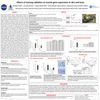 January 2017 in “NASA Technical Reports Server (NASA)”
 Early changes in skin gene expression can predict later bone mass loss after radiation exposure.
10 citations
,
December 1990 in “Archives of Dermatological Research”  February 2011 in “Journal of the American Academy of Dermatology”
 A 60-year-old man with a long-term balding condition also developed a rare hair loss condition usually seen in postmenopausal women.