 31 citations
,
November 2016 in “Cell Reports”
31 citations
,
November 2016 in “Cell Reports” Touch sensitivity in mouse skin decreases during hair growth due to changes in touch receptors.
 103 citations
,
January 2009 in “Carbon”
103 citations
,
January 2009 in “Carbon” Pure carbon nanotubes are safe for mice, but impure ones cause immune issues and hair loss.
 August 1988 in “Journal of the Royal Society of Medicine”
 Hyperbaric oxygen therapy shows promise for multiple sclerosis, but skepticism and funding issues limit tech use in clinics, and outdated single-drug cancer treatments may cause unnecessary side effects.
July 2019 in “Zenodo (CERN European Organization for Nuclear Research)” Follicular mucinosis in a 15-year-old is usually harmless but needs monitoring for possible lymphoma.
 February 2024 in “Journal of dermatology research reviews & reports”
 A 50-year-old woman with breast cancer developed an autoimmune skin disorder, highlighting the need for thorough checks and team-based treatment.
December 2023 in “Animals” The research found genes and miRNAs that may control hair growth in Forest Musk Deer.
 April 2016 in “Journal of Investigative Dermatology”
 Decreasing MIG6 can increase the movement and invasiveness of MEK-inhibited mutant NRAS melanoma, particularly when stimulated by EGF.
28 citations
,
November 2018 in “American Journal of Medical Genetics Part A” ODC1 gene mutations cause a neurodevelopmental disorder with large head size, hair loss, and facial abnormalities.
2 citations
,
January 2024 in “Revista Paulista de Pediatria” A rare genetic mutation caused severe symptoms in a 6-year-old girl with mandibuloacral dysplasia type A.
 1 citations
,
April 2016 in “British Journal of Dermatology”
1 citations
,
April 2016 in “British Journal of Dermatology” Buschke-Ollendorff syndrome is a rare genetic disorder causing skin and bone changes, with some cases also showing ADHD or developmental delays.
 1 citations
,
August 2021 in “Canadian journal of neurological sciences”
1 citations
,
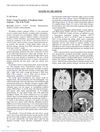
August 2021 in “Canadian journal of neurological sciences” Woodhouse-Sakati syndrome can cause writer's cramp and other varied symptoms, highlighting the importance of genetic testing for diagnosis.
July 2025 in “Clinical Case Reports” A new genetic mutation in the TRPS1 gene causes Trichorhinophalangeal Syndrome, leading to specific hair, dental, and bone issues.
June 2025 in “British Journal of Dermatology” MS treatments can cause significant hair loss, affecting mental health.

Trichotillomania treatment is improving with new therapies, but challenges like stigma and lack of training remain.
 January 2024 in “Pediatria Polska”
 Long-COVID symptoms in children after MIS-C are similar across different COVID-19 variants, with older age being a key factor.
1 citations
,
July 2023 in “Pharmaceutics” New microneedles deliver drugs through the skin accurately and effectively.
August 2018 in “Zenodo (CERN European Organization for Nuclear Research)” New techniques can record electromagnetic fields in hair follicles for potential medical use.
1 citations
,
February 2023 in “Tropical Journal of Pharmaceutical Research” Polysulfonic acid mucopolysaccharide can reduce skin scarring.
 June 2023 in “Journal of biological chemistry/The Journal of biological chemistry”
 Sdr16c5 and Sdr16c6 genes regulate a key point in lipid production that affects eye and skin gland function.
2 citations
,
December 2024 in “International Journal of Pharmaceutics” Microneedles offer a painless, effective, and easy-to-use hair loss treatment.
11 citations
,
June 1974 in “Journal of Cutaneous Pathology” Follicular mucinosis causes significant damage to hair follicle cells.
27 citations
,
May 2024 in “Clinical and Translational Medicine” Melanocyte stem cells are vital for skin and hair color and have potential in treating skin disorders and cancer.
January 2016 in “e-Oftalmo CBO Revista Digital de Oftalmologia” CSC is linked to mineralocorticoid receptor damage, stress, and steroid use, with treatments including drugs and laser therapies to prevent eye damage.
 January 2025 in “Medical Research Archives”
 Anorexia nervosa causes serious health issues, best treated with a team approach focusing on nutrition.
10 citations
,
April 2003 in “Clinical neurology and neurosurgery” Autoimmune polyglandular syndrome can cause temporary brain issues that may improve on their own.
November 2025 in “Cureus” A young man had a rare skin condition causing hair loss and forehead lesions.
2 citations
,
July 2025 in “Analytical Chemistry” The method effectively images and correlates elements and metabolites in tissue samples at a micron scale.
January 2016 in “Institutional Repositories DataBase (IRDB)” Sebaceous glands help study fatty acid transporters and binding proteins.
198 citations
,
June 2013 in “Molecular psychiatry” Schizophrenia patients' stem cells show abnormal neuron development and mitochondrial issues.
Deleting the MAD2L1 gene is tolerated in certain mouse cancer models.