15 citations
,
June 2019 in “Biochemical Journal” A new genetic disorder caused by an ODC1 mutation can be treated with DFMO.
 113 citations
,
November 2017 in “Scientific Reports”
113 citations
,
November 2017 in “Scientific Reports” Tiny particles from stem cells help activate hair growth cells and encourage hair growth in mice without being toxic.
1 citations
,
January 2026 in “International Journal of Dermatology” Amivantamab can cause severe skin eruptions and scarring, requiring drug discontinuation and early treatment.
477 citations
,
March 2004 in “Proceedings of the National Academy of Sciences” The DMI3 gene is essential for nodule development and symbiosis in certain plants.
2 citations
,
January 2018 in “Biomolecules & therapeutics” Polyamidoamine dendrimers can change the strength and direction of electroosmotic flow through the skin, affecting drug delivery.
 March 2016 in “Journal of the European Academy of Dermatology and Venereology”
 The April 2016 JEADV issue covered various dermatology topics, including psoriasis, psoriatic arthritis, mTOR inhibitors, autoimmune diseases, photodynamic therapy, viral DNA in skin diseases, chronic hand eczema, and female hair loss.
 January 2025 in “HemaSphere”
 The term "low-risk" in myelodysplastic syndrome is misleading and should be changed to better reflect patient experiences and needs.

A genetic mutation in the EDA gene causes hypohidrotic ectodermal dysplasia in cats.
 5 citations
,
January 2012 in “PubMed”
5 citations
,
January 2012 in “PubMed” Anti-MND antibodies are present in various diseases, not just PBC, and their levels don't correlate with disease activity or skin symptoms.
 7 citations
,
November 2010 in “Genesis”
7 citations
,
November 2010 in “Genesis” Mouse Scube3 affects teeth, tongue, vibrissae, and eye development, but not facial structure or limb growth.
 September 2022 in “bioRxiv (Cold Spring Harbor Laboratory)”
 Removing Mediator 1 causes teeth cells to turn into hair cells.
June 2020 in “Comparative medicine” NSG mice had the most mites, and genetic factors affect immune response and susceptibility.
 August 2023 in “Dermatology reports”
 A baby with maple syrup urine disease improved from skin problems by adjusting his diet to correct amino acid levels.
1 citations
,
April 2025 in “American Journal of Medical Genetics Part C Seminars in Medical Genetics” Eflornithine improved symptoms in Bachmann–Bupp Syndrome patients.
 24 citations
,
July 2019 in “Cochrane library”
24 citations
,
July 2019 in “Cochrane library” Some treatments like methotrexate with prednisone might help juvenile morphea, but more research is needed to confirm.
 April 2026 in “Microsystems & Nanoengineering”
 HA-gel-dex hydrogels help heal wounds and regenerate tissue effectively.
23 citations
,
July 2016 in “JAMA Ophthalmology” CDH3-related disease causes worsening eye and hair issues.
The treatment was not recommended due to limited effectiveness and significant side effects.
39 citations
,
February 2024 in “Small” Microneedles are becoming essential tools in medicine for sensing, drug delivery, and communication.
2 citations
,
September 2024 in “PLoS ONE” Bendamustine combined with tucidinostat may effectively treat adult T-cell leukemia.
5 citations
,
January 2000 Pododermatitis in farmed mink is likely caused by an unknown infectious agent with secondary bacterial infection.
29 citations
,
December 2022 in “Journal of Nanobiotechnology” Stem cell vesicles reduced eczema symptoms in mice safely.
4 citations
,
August 2025 in “Frontiers in Immunology” Mesenchymal stem cells and their vesicles may effectively treat skin diseases, but more research is needed.
 March 2024 in “Frontiers in endocrinology”
 A new MTX2 gene mutation caused a severe genetic disorder in a young Chinese girl.
 5 citations
,
January 1998 in “Clinical and experimental dermatology”
5 citations
,
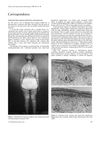
January 1998 in “Clinical and experimental dermatology” Myotonic dystrophy should be considered in patients with hair thinning, and genetic counseling is important.
7 citations
,
August 2008 in “Immunogenetics” A gene mutation in mice causes increased mast cells and disorganized hair follicles in their skin.
14 citations
,
April 2020 in “Journal of the American Academy of Dermatology” Viral reactivation is rare at the time of DRESS diagnosis in the U.S.
October 2017 in “Journal of Investigative Dermatology” Pemphigus vulgaris involves specific immune cells and B cells that produce antibodies causing skin blisters.
56 citations
,
February 2012 in “Developmental biology” Sostdc1 controls the size and number of hair and mammary gland structures.
 94 citations
,
July 2020 in “European Journal of Human Genetics”
94 citations
,
July 2020 in “European Journal of Human Genetics” The guidelines ensure accurate genetic testing and reporting for 21-hydroxylase deficiency.