 January 2023 in “International Journal of Pharmaceutical Research and Development”
 Nanotechnology therapies can help improve quality of life for those with hair loss.
 September 2022 in “Institutional Repositories DataBase (IRDB)”
 3D-oxy exosomes may significantly boost hair growth, offering new treatment options for hair loss.
 September 2022 in “Institutional Repositories DataBase (IRDB)”
 Adipose-derived stem cells can be transformed into hair-forming cells using specific extracellular vesicles, offering potential for hair regeneration therapies.
 August 2022 in “Research Square (Research Square)”
 Implanted special stem cells from hair follicles helped heal wounds faster and with less scarring in mice.
 March 2022 in “Indian Journal of Animal Research”
 Dog hair follicle stem cells can turn into fat cells.
Extracellular vesicles could help treat hair loss by influencing hair growth cycles.
 April 2021 in “Journal of Investigative Dermatology”
 Leontopodium alpinum extract may help reduce hair shedding by keeping hair in the growth phase longer.
A girl with Crohn's disease developed hair loss due to her increased medication, a rare side effect seen in some children.
 March 2021 in “Research Square (Research Square)”
 Strontium ranelate helps cartilage growth by blocking a specific cell pathway.
Placental cell medium boosts blood vessel growth in lab tests.
 August 2020 in “Research Square (Research Square)”
 Neural progenitor cell-derived nanovesicles help hair growth by activating a key signaling pathway.
 June 2020 in “Journal of Investigative Dermatology”
 Scientists successfully grew mini hair follicles using human skin cells, which could help treat baldness.
 May 2020 in “Research Square (Research Square)”
 Bone marrow stem cells help heal intestines and reduce death in liver failure.

PlacMA hydrogels from human placenta are versatile and useful for cell culture and tissue engineering.
 August 2019 in “Regenerative Medicine”
 In June 2019, the stem cell research field saw major progress, including new clinical trials, FDA approvals, and industry collaborations.
 July 2019 in “Facial Plastic Surgery Clinics of North America”
 New techniques and technologies are improving facial plastic and reconstructive surgery.
 June 2019 in “The Egyptian Journal of Histology”
 Hyaluronic acid injections improve skin thickness and quality, protecting against aging in rats.
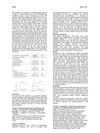 April 2019 in “Radiotherapy and oncology”
 HPV infection is linked to better survival in advanced anal cancer, higher radiation doses improve survival, especially in HPV-negative patients, and prostaglandin E₂ pretreatment can protect mouse hair follicles from radiation damage.
 February 2019 in “bioRxiv (Cold Spring Harbor Laboratory)”
 The gene Prss53 affects hair shape and bone development in rabbits.
 November 2018 in “Atlas of genetics and cytogenetics in oncology and haematology”
 WNT10B is linked to cancer development and affects survival and disease progression in various cancers.

New treatments for hair loss show promise, including plasma, stem cells, and hair-stimulating complexes, but more research is needed to fully understand them.
 June 2018 in “Biomedical Journal of Scientific & Technical Research”
 Cells can change to help heal wounds better.
 April 2018 in “The journal of investigative dermatology/Journal of investigative dermatology”
 Double-stranded RNA helps regenerate hair follicles by increasing retinoic acid production and signaling.
 April 2018 in “The journal of investigative dermatology/Journal of investigative dermatology”
 Electrical epilation damages hair follicles and surrounding skin, likely preventing hair regrowth.
 April 2018 in “Journal of Investigative Dermatology”
 The conclusion introduces a new way to classify skin cysts using their shape and genetic markers.
 April 2018 in “Journal of Investigative Dermatology”
 A new peptide, FOL-005, may help treat excessive hair growth by reducing a hair growth promoter, FGF7.
 April 2018 in “The journal of investigative dermatology/Journal of investigative dermatology”
 17β-estradiol may help hair growth by increasing cannabinoid receptor type 1.
 April 2018 in “The journal of investigative dermatology/Journal of investigative dermatology”
 Researchers created a 3D-printed skin model that grew human hair when grafted onto mice by improving blood supply to the grafts.
 April 2018 in “The journal of investigative dermatology/Journal of investigative dermatology”
 Removing Lrig1-positive stem cells in mice causes temporary loss of sebaceous glands.
 January 2018 in “Elsevier eBooks”
 The document concludes that alopecia has significant social and psychological effects, leading to a market for hair loss treatments.