 1 citations
,
July 2023 in “Biomimetics”
1 citations
,
July 2023 in “Biomimetics” A new hair treatment using a natural polyphenol complex improves hair strength, reduces static, and protects against UV damage.
108 citations
,
October 2003 in “Journal of biological chemistry/The Journal of biological chemistry” Trichohyalin makes hair follicles stronger.
8 citations
,
July 2019 in “The journal of investigative dermatology/Journal of investigative dermatology” Curly hair is mechanically different from straight hair and may need new testing methods.
46 citations
,
June 2013 in “Journal of structural biology” High glycine–tyrosine keratin-associated proteins help make hair strong and maintain its shape.
April 2026 in “SSRN Electronic Journal”  11 citations
,
February 2019 in “Frontiers in Physiology”
11 citations
,
February 2019 in “Frontiers in Physiology” Hair properties are interconnected; a comprehensive, cross-disciplinary approach is essential for understanding hair behavior.
 January 2024 in “Seven Editora eBooks”
 Different techniques measure hair properties to ensure cosmetic products work.
 September 2024 in “Heliyon”
 Repeated hair dyeing significantly damages hair.
 2 citations
,
February 2016 in “Journal of sol-gel science and technology”
2 citations
,
February 2016 in “Journal of sol-gel science and technology” A small molecule can strengthen fine hair, making it more resistant and natural-feeling.
 October 2012 in “Advanced Materials Research”
 Higher temperatures improve rabbit hair strength up to 50°C, but moisture weakens it.
May 2026 in “Materials Today Bio” The nanocomplex protects hair from UV damage and strengthens it.
78 citations
,
February 2024 in “ACS Omega” The scaffold is a promising material for wound healing and tissue engineering.
30 citations
,
August 2008 in “The journal of investigative dermatology/Journal of investigative dermatology” TGase 3 helps build hair structure by forming strong bonds between proteins.
28 citations
,
November 2020 in “Polymers” Crosslinked gelatin sponges show promise as skin substitutes for wound treatment.
 23 citations
,
July 2021 in “International Journal of Pharmaceutics”
23 citations
,
July 2021 in “International Journal of Pharmaceutics” New dissolving and implantable microneedle patches have been created for a long-lasting, non-invasive delivery of the drug finasteride.
 21 citations
,
March 2017 in “Skin research and technology”
21 citations
,
March 2017 in “Skin research and technology” Removing external lipids from hair reduces moisture and increases strength, while removing internal lipids decreases water permeability.
18 citations
,
March 2009 in “Skin pharmacology and physiology” Sunlight damages hair, causing cuticle loss, protein changes, and discoloration.
12 citations
,
October 2018 in “Biotechnology reports” Recombinant keratin K31 makes damaged hair thicker, stronger, and straighter.
12 citations
,
October 2007 in “PubMed” Keratin helps protect and strengthen hair, reducing damage and color fading.
 11 citations
,
July 2021 in “Sustainability”
11 citations
,
July 2021 in “Sustainability” Concrete made from animal bones and human hair is stronger and more environmentally friendly than traditional concrete.
7 citations
,
September 2021 in “Journal of Applied Polymer Science” Cuttlefish ink melanin protects hair from UV damage.
 7 citations
,
July 2008 in “Experimental Dermatology”
7 citations
,
July 2008 in “Experimental Dermatology” The study concluded that a protein important for hair strength is regulated by certain molecular processes and is affected by growth phases.
 2 citations
,
January 2017 in “Folia biologica”
2 citations
,
January 2017 in “Folia biologica” The KRTAP7-1 gene is very similar across different cattle and yak breeds and likely plays a role in hair strength and shape.
 July 2025 in “Scientific Reports”
 Fermented grapeseed oil effectively repairs and protects chemically damaged hair.
 October 2024 in “Cosmetics”
 Afro-textured hair needs personalized care due to its unique genetic traits.

Human hair keratins can be turned into useful 3D biomedical scaffolds through a freeze-thaw process.
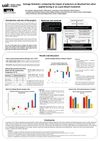 June 2017 in “University of the Arts London Research Online (University of the Arts London)”
 Polymers help reduce damage and improve bleached hair when used during or after bleaching.
 April 2017 in “Journal of Investigative Dermatology”
 Applying pseudoceramide improved skin and hair health.
January 2016 in “Frontiers in Bioengineering and Biotechnology” Keratin-based hydrogels can be improved for medical use by adding PEG, making them more soluble and adjustable.
 25 citations
,
October 2018 in “Journal of The American Academy of Dermatology”
25 citations
,
October 2018 in “Journal of The American Academy of Dermatology” Erosive pustular dermatosis of the scalp is a type of skin inflammation often confused with other conditions, requiring continuous treatment.