 19 citations
,
June 2020 in “International Journal of Dermatology”
19 citations
,
June 2020 in “International Journal of Dermatology” Low-dose oral minoxidil effectively treats non-scarring hair loss with some side effects like hypertrichosis and postural hypotension.
 12 citations
,
June 2003 in “Journal of the European Academy of Dermatology and Venereology”
12 citations
,
June 2003 in “Journal of the European Academy of Dermatology and Venereology” Some psychoactive drugs can cause skin reactions, with carbamazepine having a higher risk, and stopping the drug and seeing a dermatologist is important.
 2 citations
,
October 2016
2 citations
,
October 2016 Chemotherapy and radiotherapy can cause skin side effects like rashes, hair loss, and nail changes, which are usually managed with conservative treatments.
1 citations
,
January 2026 in “JAMA Network Open” Asian women with breast cancer experience the highest rates of long-term hair loss and related distress after chemotherapy.
 August 2018 in “SDÜ SAĞLIK BİLİMLERİ DERGİSİ”
 No method fully prevents hair loss from chemotherapy, but some methods can reduce it and improve quality of life.
6 citations
,
July 2015 in “JAAD Case Reports” Doxycycline can effectively treat hair loss caused by EGFR inhibitors.
 4 citations
,
July 2021 in “Journal of Dermatological Treatment”
4 citations
,
July 2021 in “Journal of Dermatological Treatment” Finasteride helps hair growth but may cause sexual side effects and depression.
February 2026 in “JDDG Journal der Deutschen Dermatologischen Gesellschaft” Improved collaboration and education between dermatologists and oncologists can enhance care for chemotherapy-related hair loss.
 32 citations
,
June 2000 in “Dermatologic Surgery”
32 citations
,
June 2000 in “Dermatologic Surgery” Different factors help diagnose and treat hair loss accurately.
 19 citations
,
March 2013 in “Journal of Cutaneous Pathology”
19 citations
,
March 2013 in “Journal of Cutaneous Pathology” The study found unique skin changes in a rare type of alopecia linked to a skin condition called linear morphea.
5 citations
,
March 2023 in “Cancer” Oncologists should better understand the unique impact of hair loss on Black breast cancer patients to offer more compassionate care.
 1 citations
,
June 2007 in “Journal of Oral and Maxillofacial Surgery”
1 citations
,
June 2007 in “Journal of Oral and Maxillofacial Surgery” A woman experienced temporary hair loss after jaw surgery due to the stress of the operation.
 1 citations
,
May 2006 in “Expert Opinion on Therapeutic Patents”
1 citations
,
May 2006 in “Expert Opinion on Therapeutic Patents” No FDA-approved treatments for chemotherapy-induced hair loss existed in 2006; more research was needed.
 January 2011 in “Medicina interna de México”
 The document concludes that treating the underlying causes of telogen effluvium usually results in hair regrowth.
 150 citations
,
October 2010 in “The American Journal of Pathology”
150 citations
,
October 2010 in “The American Journal of Pathology” The document concludes that more research is needed to better understand and treat primary cicatricial alopecias, and suggests a possible reclassification based on molecular pathways.
 60 citations
,
September 2013 in “Alimentary Pharmacology & Therapeutics”
60 citations
,
September 2013 in “Alimentary Pharmacology & Therapeutics” Immunosuppressive and anti-TNF therapies in IBD patients can increase the risk of skin cancer and cause various skin issues.
 44 citations
,
January 2002 in “American Journal of Clinical Dermatology”
44 citations
,
January 2002 in “American Journal of Clinical Dermatology” Skin reactions to antidepressants are common but usually not serious and can be treated.
10 citations
,
August 2016 in “Dermatology Online Journal” Nilotinib can cause skin issues like red bumps and hair loss.
 5 citations
,
October 2014 in “Scottish medical journal”
5 citations
,
October 2014 in “Scottish medical journal” Nitrofurantoin may cause sub-acute cutaneous lupus erythematosus.
 October 2023 in “Current Issues in Molecular Biology”
 The YH complex, made from Astragalus membranaceus and Cinnamomum cassia, may help treat hair loss by promoting hair growth and follicle development.
 2 citations
,
November 2020 in “Der Hautarzt”
2 citations
,
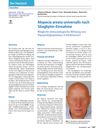
November 2020 in “Der Hautarzt” A patient's hair loss may be linked to their diabetes medication, Sitagliptin.
 April 2024 in “International journal of research in dermatology”
 Azathioprine can cause hair loss and matted hair.
 August 2023 in “Journal of The American Academy of Dermatology”
 Valproic acid, a common antiepileptic medication, can cause reversible hair loss in patients.
 31 citations
,
August 2022 in “Frontiers in Oncology”
31 citations
,
August 2022 in “Frontiers in Oncology” Photobiomodulation therapy helps manage cancer treatment side effects but needs more research for optimization.
 25 citations
,
July 2021 in “Journal of Medical Virology”
25 citations
,
July 2021 in “Journal of Medical Virology” COVID-19 can cause various skin issues, including rashes and hair loss, which usually heal on their own and don't always indicate severe illness.
 7 citations
,
February 2010 in “Journal of Dermatological Treatment”
7 citations
,
February 2010 in “Journal of Dermatological Treatment” Imiquimod cream can rarely cause temporary hair loss.
 July 2025 in “Pharmaceuticals”
 Phenobarbital-loaded chitosan nanoparticles are promising for preventing hair loss from chemotherapy.

Accurate diagnosis and tailored treatments are crucial for managing hair loss in humans and animals.
November 2025 in “The Journal of Dermatology” Minoxidil helps hair regrow faster in stress-related hair loss.
 1 citations
,
January 2006 in “Elsevier eBooks”
1 citations
,
January 2006 in “Elsevier eBooks” Cats lose fur due to various reasons, including allergies, infections, genetics, hormones, diet, cancer, stress, and some conditions are treatable while others are not.