 2 citations
,
October 2016
2 citations
,
October 2016 Chemotherapy and radiotherapy can cause skin side effects like rashes, hair loss, and nail changes, which are usually managed with conservative treatments.
 September 2023 in “Cureus”
 Nails can reveal important health information about skin and body conditions.
 January 2017 in “Springer eBooks”
 The document explains various skin conditions and their treatments.
 1 citations
,
September 2004 in “Physica D: Nonlinear Phenomena”
1 citations
,
September 2004 in “Physica D: Nonlinear Phenomena” The model can predict website market shares by identifying competition among them.
6 citations
,
January 2020 26 citations
,
January 2018 in “Skin appendage disorders” Thallium, mercury, selenium, and colchicine strongly cause hair loss.
 12 citations
,
June 2023 in “Journal of trace elements in medicine and biology”
12 citations
,
June 2023 in “Journal of trace elements in medicine and biology” Eating too much selenium can cause bad breath, hair loss, and nail changes, with harmful effects starting at low daily doses.
 10 citations
,
January 2021 in “BioMed Research International”
10 citations
,
January 2021 in “BioMed Research International” Some recovered COVID-19 patients experience skin, hair, and nail issues, suggesting they need follow-up care.
 1 citations
,
January 2017 in “Current Dermatology Reports”
1 citations
,
January 2017 in “Current Dermatology Reports” Early baldness in men may indicate risks for obesity, metabolic syndrome, insulin resistance, and heart disease, similar to women with PCOS. Alopecia areata is often linked with autoimmune diseases and mental health issues. Certain hair disorders are due to genetic issues, and chemotherapy can cause hair loss through specific biological pathways. Iron deficiency's link to hair loss is still disputed.
 January 2024 in “Skin appendage disorders”
 Environmental pollutants can damage hair health and cause hair loss.
November 2023 in “IntechOpen eBooks” Arsenic exposure from contaminated water severely damages the skin, causing hair loss, pigmentation changes, irritation, and can lead to skin cancer.
April 2007 in “CRC Press eBooks” Certain vitamins in wrong amounts, alcohol abuse, metals, and other toxins can cause serious brain and nerve damage.
1 citations
,
January 2023 in “Indian Dermatology Online Journal” Skin and nail changes are common in patients with blood cancers undergoing chemotherapy, affecting their quality of life.
 11 citations
,
October 1980 in “Archives of Dermatology”
11 citations
,
October 1980 in “Archives of Dermatology” Beau's lines and hair loss in a patient were linked to severe stress on the body.
 32 citations
,
February 2008 in “Developmental dynamics”
32 citations
,
February 2008 in “Developmental dynamics” Mice without the Sp6 gene have problems developing several body parts, including hair, teeth, limbs, and lungs.
COVID-19 can cause skin problems and affect dermatology treatments, with recommendations for skin care and cautious use of certain drugs.
 29 citations
,
July 2014 in “PloS one”
29 citations
,
July 2014 in “PloS one” Meis1 is crucial for skin health and tumor development.
 65 citations
,
February 2009 in “The journal of investigative dermatology/Journal of investigative dermatology”
65 citations
,
February 2009 in “The journal of investigative dermatology/Journal of investigative dermatology” Anti-acne medications may work by reducing the activity of a protein involved in acne development.
Meis2 is essential for whisker development, independent of nerve involvement.

Meis2 is essential for touch sensation and proper nerve connection to touch receptors in certain skin areas of mice.

Meis2 is essential for touch sensation and nerve function in mice.
1 citations
,
November 2024 in “eLife” Mesenchymal MEIS2 is essential for whisker development without needing sensory nerves.
 2 citations
,
January 2024 in “European Journal of Case Reports in Internal Medicine”
2 citations
,
January 2024 in “European Journal of Case Reports in Internal Medicine” Beau's lines on fingernails might indicate past severe COVID-19 and risk of reinfection.
 11 citations
,
November 2005 in “The Journal of Dermatology”
11 citations
,
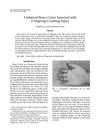
November 2005 in “The Journal of Dermatology” A man's crushed thumb caused unusual horizontal nail ridges on all fingers of one hand.
 2 citations
,
April 2018 in “International Journal of Research in Dermatology”
2 citations
,
April 2018 in “International Journal of Research in Dermatology” Linear skin conditions are rare, more common in females, and often misdiagnosed without tissue analysis.
1 citations
,
January 2009 in “The Open Dermatology Journal” Chemotherapy caused nail grooves and separation, but they healed after treatment stopped.
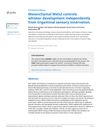
Whiskers can form without sensory nerves or Foxd1, thanks to Meis2 in mesenchymal cells.
17 citations
,
August 2015 in “Journal of Animal Science” The MTR gene affects wool quality and production in Chinese Merino sheep.
 5 citations
,
January 2024 in “The International Journal of Developmental Biology”
5 citations
,
January 2024 in “The International Journal of Developmental Biology” Mouse models help target specific genes in lymphatic cells for research.
5 citations
,
July 1999 in “Journal of Anatomy” Methylene blue staining effectively reveals detailed nerve structures in rat snouts.