 97 citations
,
March 2009 in “Dermato-endocrinology”
97 citations
,
March 2009 in “Dermato-endocrinology” Hormones significantly affect hair and oil gland function in the skin, and more research is needed on skin-related hormone disorders.
May 2022 in “Journal of Neurology Neurosurgery & Psychiatry” The woman's facial symptoms are best explained by primary Sjögren’s Syndrome.
6 citations
,
May 2019 in “JAMA Facial Plastic Surgery” Removing certain muscles during a browlift reduces glabellar wrinkles better long-term.
14 citations
,
July 2004 in “Australasian Journal of Dermatology” Follicular mycosis fungoides can look like a B-cell lymphoma, making diagnosis difficult.
 7 citations
,
April 2009 in “Bioorganic & Medicinal Chemistry Letters”
7 citations
,
April 2009 in “Bioorganic & Medicinal Chemistry Letters” Diphenyl ethers can potentially reduce excess oil production when applied on the skin, helping treat conditions like acne.
 April 2016 in “The journal of investigative dermatology/Journal of investigative dermatology”
 MPZL3 is crucial for seborrheic dermatitis development.
 14 citations
,
December 2013 in “Experimental Dermatology”
14 citations
,
December 2013 in “Experimental Dermatology” The T-zone on the face has more androgen receptors and produces more oil than the U-zone.
54 citations
,
December 2011 in “American Journal Of Pathology” A Gsdma3 mutation causes hair loss due to stem cell damage from skin inflammation.
Melanocytes can regenerate around hair follicles in bullous pemphigoid, especially in patients with darker skin.
11 citations
,
January 1956 in “Journal of Investigative Dermatology” 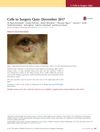 1 citations
,
November 2017 in “The journal of investigative dermatology/Journal of investigative dermatology”
1 citations
,
November 2017 in “The journal of investigative dermatology/Journal of investigative dermatology” Mohs micrographic surgery is effective for treating basal cell carcinoma on the eyelid, while radiotherapy has higher recurrence rates, and topical vitamin D3 may reduce and delay BCC formation in mice.
20 citations
,
April 1959 in “A M A Archives of Dermatology” Alopecia mucinosa causes red, raised skin patches and hair loss.
 6 citations
,
May 2012 in “Clinical and experimental dermatology”
6 citations
,
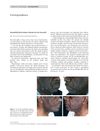
May 2012 in “Clinical and experimental dermatology” Oral minoxidil can cause inflamed, ingrown hairs in the beard area.

Menopause can cause skin and hair changes like dryness, thinning, and hair loss.
60 citations
,
August 2005 in “Endocrinology” αMSH may help regulate immune responses in hair follicles and its disruption could lead to hair loss.
 April 2024 in “Vestnik oftalʹmologii”
 Stopping minoxidil and using prostaglandin analogues improved the man's eye condition.
8 citations
,
March 2005 in “JDDG Journal der Deutschen Dermatologischen Gesellschaft” Bimatoprost eye drops can cause temporary eyelid changes and may help with hair growth research.
72 citations
,
July 2002 in “Journal of Investigative Dermatology” Desmoglein 1 can partly make up for the loss of Desmoglein 3 in hair adhesion but not in mucous membranes.
 65 citations
,
June 2003 in “EMBO journal”
65 citations
,
June 2003 in “EMBO journal” Noggin overexpression delays eyelid opening by affecting cell death and skin cell development.
March 2025 in “International Journal of Trichology” Trichodaganomania involves biting one's hair and needs combined psychological and medical treatment.
2 citations
,
February 2023 in “Anais Brasileiros de Dermatologia”  21 citations
,
November 2009 in “Dermatologic Clinics”
21 citations
,
November 2009 in “Dermatologic Clinics” The document suggests that certain protein deficiencies and scalp blistering in Epidermolysis Bullosa may cause hair loss.
The man likely has a condition causing eyelash loss and scaling on his eyelid.
 36 citations
,
November 2000 in “Journal of the American Academy of Dermatology”
36 citations
,
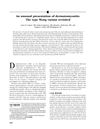
November 2000 in “Journal of the American Academy of Dermatology” A woman with dermatomyositis showed rare skin symptoms, was treated successfully, and her case suggests checking for cancer in similar patients.
27 citations
,
January 2016 in “Cellular Physiology and Biochemistry” Bidens pilosa L. extract effectively treats androgen deficiency dry eye in rats.
 September 2017 in “Journal of Investigative Dermatology”
 Aging causes sweat glands to shrink and move upward, leading to less elastic skin and more wrinkles.
 2 citations
,
August 2012 in “Journal of the American Academy of Dermatology”
2 citations
,
August 2012 in “Journal of the American Academy of Dermatology” Two patients with the same genetic mutation had both blistering skin and easily pulled out hair.
Sox13 is a marker for early hair follicle development but not essential for skin and hair growth.
 8 citations
,
June 2016 in “Journal of Cosmetic Dermatology”
8 citations
,
June 2016 in “Journal of Cosmetic Dermatology” Women with persistent acne and high levels of antimullerian hormone are more likely to have polycystic ovarian syndrome.
 November 2013 in “John Wiley & Sons, Ltd eBooks”
 Skin symptoms can indicate endocrine disorders and have various treatments.