 67 citations
,
November 2019 in “Nature Communications”
67 citations
,
November 2019 in “Nature Communications” Oncogenic melanocyte stem cells can develop into melanoma similar to human cases.
 April 2026 in “npj Regenerative Medicine”
 Melanocyte stem cells in hair follicles are key to understanding and potentially preventing hair graying.
January 2004 in “Linchuang pifuke zazhi” Black hairs have more pigment-related genes, while gray hairs have more keratin-related genes.
 April 2023 in “The journal of investigative dermatology/Journal of investigative dermatology”
 A specific group of early-stage melanocytes is reduced in vitiligo-affected skin, which may explain treatment resistance.
2 citations
,
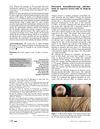
June 2009 in “Journal of the American Academy of Dermatology” The treatment didn't work for the woman's hair loss and skin darkening.
 8 citations
,
January 2018 in “European journal of dermatology/EJD. European journal of dermatology”
8 citations
,
January 2018 in “European journal of dermatology/EJD. European journal of dermatology” The girl's regrown brown hair had less of certain pigments than her original black hair.
 1 citations
,
March 2015 in “Journal of the European Academy of Dermatology and Venereology”
1 citations
,
March 2015 in “Journal of the European Academy of Dermatology and Venereology” A clinically suspected melanoma appeared benign under the microscope but was confirmed by specific tests and a rare mutation.
22 citations
,
June 1977 in “Postgraduate Medicine” Certain skin conditions are more common in black people due to hair and skin differences.
1 citations
,
September 2004 in “Experimental Dermatology” MC-1R is present in skin cells and may help reduce inflammation.
July 2025 in “Journal of Investigative Dermatology” M1 homeopathic complex may help slow melanoma cell growth.
March 2026 in “Journal of Investigative Dermatology” May 2026 in “Materials Today Bio” The nanocomplex protects hair from UV damage and strengthens it.
59 citations
,
March 2003 in “The Lancet” Imatinib can repigment grey hair, while SU11428 can cause temporary hair depigmentation.
 January 2012 in “Journal of Investigative Dermatology”
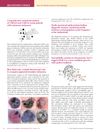
 Some Greek melanoma patients have gene mutations linked to increased cancer risk, a new color feature helps diagnose melanoma, the incidence of a skin condition in the Netherlands is rare, and a gene possibly affects male-pattern baldness.
 7 citations
,
May 2010 in “JEADV. Journal of the European Academy of Dermatology and Venereology/Journal of the European Academy of Dermatology and Venereology”
7 citations
,
May 2010 in “JEADV. Journal of the European Academy of Dermatology and Venereology/Journal of the European Academy of Dermatology and Venereology” White hair follicles in vitiligo have fewer and less functional melanocytes.
5 citations
,
July 2019 in “Clinical and experimental dermatology” Adding collagenase to trypsin improves cell yield and repigmentation in vitiligo treatment.
48 citations
,
March 1997 in “Seminars in Cutaneous Medicine and Surgery” Vitiligo causes white skin patches but can be treated in many ways.
2 citations
,
May 2011 in “Pigment Cell & Melanoma Research” Collagen XVII is crucial for preventing hair and pigmentation loss by maintaining melanocyte stem cells.
 April 2023 in “Australasian Journal of Dermatology”
 Lentiginous melanoma is most common on the face, especially the nose, cheek, and pre-auricular areas, with men more likely to have it on the scalp, ears, upper back, and trapezius, and women on the cheek and anterior arm. Sun damage is a key factor in its formation.
 January 2025 in “American Journal of Stem Cells”
 Melanocyte stem cells hold promise for skin regeneration and treating pigmentation issues.
May 2021 in “The journal of investigative dermatology/Journal of investigative dermatology” Nicastrin deficiency may cause skin cell damage and pigmentation disorders in humans, similar to effects seen in fish.
November 2025 in “Journal of Investigative Dermatology” Dark skin has stronger barriers and structure due to specific gene activity.
 8 citations
,
June 2016 in “Journal of Cutaneous Pathology”
8 citations
,
June 2016 in “Journal of Cutaneous Pathology” Two women were diagnosed with a rare melanoma that looked like hair loss but was actually a type of skin cancer.
43 citations
,
May 1999 in “Journal of Biological Chemistry” Agouti protein affects melanocortin receptors through competitive antagonism and receptor down-regulation.
 April 2023 in “Journal of Investigative Dermatology”
 An automated method accurately assesses melanoma risk using 3D body images to analyze skin traits.
144 citations
,
December 2017 in “Pigment cell & melanoma research” Melasma is now considered a skin aging disorder caused by sun exposure in people with a genetic tendency, which impacts treatment and prevention approaches.
 3 citations
,
March 2021 in “Cureus”
3 citations
,
March 2021 in “Cureus” A rare combination of halo nevi, nonsegmental vitiligo, and early gray hair can occur together.
3 citations
,
June 2025 in “Stem Cell Research & Therapy” Hair follicle-derived melanocyte transplant could effectively treat vitiligo by restoring skin color.
 10 citations
,
July 2022 in “Dermatology and Therapy”
10 citations
,
July 2022 in “Dermatology and Therapy” Melasma's causes include genetics, sun exposure, hormones, and oxidative stress, and understanding these can help create better treatments.
3 citations
,
August 2017 in “Clinical case reports” A rare skin condition causes red and dark patches on the face and limbs.